

As a supplier of Horizontal Remote Radiators, I've witnessed firsthand the transformative impact these innovative cooling solutions can have on a vehicle's performance. In this blog, we'll explore how a Horizontal Remote Radiator affects a vehicle's power output, delving into the science behind it and examining real - world implications.
Understanding the Basics of Vehicle Power Output
Before we discuss the role of a Horizontal Remote Radiator, it's essential to understand what vehicle power output is. Power output in a vehicle, typically measured in horsepower (hp) or kilowatts (kW), is the rate at which the engine can do work. It is a function of the engine's ability to burn fuel efficiently, convert chemical energy into mechanical energy, and transfer that energy to the wheels.
Several factors influence a vehicle's power output. The engine's design, the quality of the fuel, the air - fuel mixture, and the efficiency of the combustion process all play crucial roles. Additionally, heat management within the engine is a key determinant. Engines generate a significant amount of heat during operation, and if this heat is not properly managed, it can lead to a decrease in power output.
The Role of Cooling Systems in Vehicle Performance
A vehicle's cooling system is responsible for regulating the engine's temperature. It prevents the engine from overheating, which can cause damage to engine components, reduce fuel efficiency, and ultimately lower power output. Traditional radiators are often located in the front of the vehicle, directly in the path of oncoming air. While this setup works well in many cases, it has its limitations.
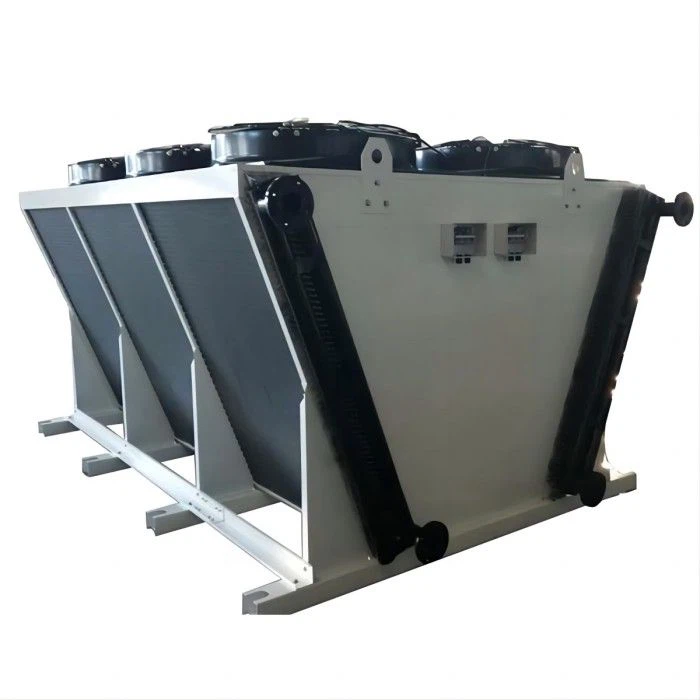
Enter the Horizontal Remote Radiator. Unlike traditional radiators, a Horizontal Remote Radiator Horizontal Remote Radiator is located away from the engine, usually in a more strategic position. This allows for better heat dissipation and more efficient cooling.
How a Horizontal Remote Radiator Works
A Horizontal Remote Radiator operates on the same basic principles as a traditional radiator. It uses a network of tubes and fins to transfer heat from the coolant to the surrounding air. However, its horizontal orientation and remote location offer several advantages.
Firstly, the horizontal design provides a larger surface area for heat exchange. This means that more heat can be dissipated in a shorter amount of time, allowing the engine to maintain a lower operating temperature. Secondly, the remote location of the radiator allows it to be placed in an area with better airflow. This can be particularly beneficial in vehicles where the front of the vehicle is cluttered with other components, restricting the airflow to a traditional radiator.

Impact on Engine Temperature
One of the primary ways a Horizontal Remote Radiator affects vehicle power output is by regulating engine temperature. When an engine runs too hot, the air - fuel mixture can become less dense. This is because hot air expands, reducing the amount of oxygen available for combustion. With less oxygen, the fuel cannot burn as efficiently, leading to a decrease in power output.
A Horizontal Remote Radiator helps to keep the engine at an optimal operating temperature. By efficiently dissipating heat, it ensures that the air - fuel mixture remains dense, allowing for more complete combustion. This results in increased power output and improved fuel efficiency.
Reduction of Engine Knock
Engine knock, also known as detonation, is a phenomenon that occurs when the air - fuel mixture in the cylinders explodes instead of burning smoothly. This can be caused by high engine temperatures, incorrect ignition timing, or low - quality fuel. Engine knock not only reduces power output but can also cause serious damage to the engine over time.
A well - functioning Horizontal Remote Radiator can help to prevent engine knock. By keeping the engine cool, it reduces the likelihood of the air - fuel mixture detonating prematurely. This allows the engine to operate more smoothly and efficiently, resulting in increased power output.
Improved Airflow and Combustion
In addition to regulating engine temperature, a Horizontal Remote Radiator can also improve airflow within the engine compartment. By being located in a more strategic position, it can draw in cooler, denser air. This cooler air is more oxygen - rich, which is essential for efficient combustion.
When the engine has access to more oxygen, the fuel can burn more completely. This leads to a more powerful explosion in the cylinders, translating into increased power output. Moreover, improved airflow can also help to remove hot air and exhaust gases from the engine compartment more effectively, further enhancing the engine's performance.
Real - World Applications
The benefits of a Horizontal Remote Radiator are not just theoretical; they have been demonstrated in various real - world applications. In the automotive industry, high - performance vehicles often use Horizontal Remote Radiators to maximize their power output. These radiators allow the engines to operate at peak performance, even under extreme conditions.
In the industrial sector, vehicles such as generators and heavy - duty machinery also benefit from Horizontal Remote Radiators. For example, in generator sets, a Horizontal Remote Radiator can ensure that the engine runs efficiently, providing a stable power supply. You can learn more about remote monitoring for generator sets Remote Monitoring for Generator Sets.
In power transmission and distribution systems, vehicles used for maintenance and installation also rely on efficient cooling systems. A Horizontal Remote Radiator can help these vehicles maintain their power output, ensuring smooth operation of the Power Transmission and Distribution System.
Conclusion and Call to Action
In conclusion, a Horizontal Remote Radiator can have a significant impact on a vehicle's power output. By regulating engine temperature, reducing engine knock, and improving airflow and combustion, it allows the engine to operate more efficiently and generate more power.
If you're in the market for a cooling solution that can enhance your vehicle's performance, I encourage you to consider a Horizontal Remote Radiator. Whether you're involved in the automotive, industrial, or power sectors, our high - quality radiators can meet your needs. Contact us today to start a discussion about your specific requirements and explore how our Horizontal Remote Radiators can benefit your vehicles.
References
- Heywood, J. B. (1988). Internal Combustion Engine Fundamentals. McGraw - Hill.
- Crolla, D. A. (2001). The Automotive Chassis: Engineering Principles. Society of Automotive Engineers.
- Taylor, C. F. (1966). The Internal Combustion Engine in Theory and Practice. MIT Press.


