

Waste heat recovery systems (WHRS) have emerged as a game - changer in the wastewater treatment industry. As a dedicated supplier of waste heat recovery systems, I'm excited to share with you how these systems operate in a wastewater treatment plant, their benefits, and why they are a crucial addition to modern treatment facilities.
Understanding the Basics of Waste Heat in Wastewater Treatment Plants
Wastewater treatment plants are energy - intensive facilities. They consume a significant amount of energy for various processes such as aeration, pumping, and sludge treatment. During these processes, a large amount of heat is generated as a by - product. This waste heat, if not recovered, is simply released into the environment, resulting in energy inefficiency.
In a typical wastewater treatment plant, the sources of waste heat are diverse. For instance, the biological treatment process, where microorganisms break down organic matter in the wastewater, is exothermic, meaning it releases heat. Also, the mechanical equipment like pumps and blowers generate heat during their operation.
The Working Principle of a Waste Heat Recovery System
The waste heat recovery system in a wastewater treatment plant is designed to capture and utilize this otherwise wasted heat. The system generally consists of three main components: a heat exchanger, a heat transfer fluid, and a heat utilization unit.
Heat Exchanger
The heat exchanger is the heart of the waste heat recovery system. Its primary function is to transfer the heat from the waste heat source (such as hot wastewater or hot exhaust gases) to a heat transfer fluid. There are different types of heat exchangers available, including shell - and - tube heat exchangers, plate heat exchangers, and finned - tube heat exchangers.
In a shell - and - tube heat exchanger, the waste heat source flows through the tubes, while the heat transfer fluid flows through the shell. The large surface area of the tubes allows for efficient heat transfer between the two fluids. Plate heat exchangers, on the other hand, consist of a series of thin plates stacked together. The waste heat source and the heat transfer fluid flow through alternate channels between the plates, maximizing the heat transfer area.
Heat Transfer Fluid
The heat transfer fluid plays a vital role in transporting the captured heat from the heat exchanger to the heat utilization unit. Common heat transfer fluids include water, glycol - water mixtures, and thermal oils. The choice of heat transfer fluid depends on several factors, such as the temperature range of the waste heat source, the operating conditions of the system, and the type of heat utilization unit.
Water is a popular choice due to its high specific heat capacity, low cost, and environmental friendliness. However, it may not be suitable for high - temperature applications as it boils at 100°C at atmospheric pressure. Glycol - water mixtures are often used when freezing protection is required, as they have a lower freezing point than pure water. Thermal oils are used for high - temperature applications, as they can withstand much higher temperatures without boiling.
Heat Utilization Unit
The heat utilization unit is where the recovered heat is put to use. In a wastewater treatment plant, the recovered heat can be used for various purposes. One of the most common applications is pre - heating the influent wastewater. By pre - heating the wastewater before it enters the biological treatment process, the efficiency of the treatment can be improved, as the microorganisms work more effectively at higher temperatures.
The recovered heat can also be used for space heating in the plant buildings, such as the control room, laboratory, and maintenance workshop. This reduces the reliance on traditional heating systems, resulting in energy savings and cost reduction.
Step - by - Step Operation of the Waste Heat Recovery System
- Heat Capture: The process begins with the heat exchanger capturing the waste heat from the source. For example, if the waste heat source is hot wastewater, the hot wastewater flows through one side of the heat exchanger, while the heat transfer fluid flows through the other side. Heat is transferred from the hot wastewater to the heat transfer fluid by conduction through the heat exchanger surface.
- Heat Transfer: Once the heat transfer fluid has absorbed the heat, it is pumped through a closed - loop system to the heat utilization unit. The pump ensures a continuous flow of the heat transfer fluid, maintaining a constant rate of heat transfer.
- Heat Utilization: At the heat utilization unit, the heat from the heat transfer fluid is transferred to the target application. For instance, if the recovered heat is used for pre - heating the influent wastewater, the heat transfer fluid passes through another heat exchanger, where it transfers the heat to the cold influent wastewater.
Benefits of Implementing a Waste Heat Recovery System in a Wastewater Treatment Plant
Energy Savings
The most obvious benefit of a waste heat recovery system is energy savings. By capturing and utilizing the waste heat, the plant can reduce its reliance on external energy sources, such as natural gas or electricity. This not only lowers the energy consumption but also reduces the operating costs of the plant.
Environmental Impact
Waste heat recovery systems contribute to environmental sustainability. By reducing the consumption of fossil fuels, the plant can lower its greenhouse gas emissions. Additionally, the system helps in conserving natural resources by making more efficient use of energy.

Improved Process Efficiency
As mentioned earlier, pre - heating the influent wastewater can improve the efficiency of the biological treatment process. This leads to better treatment performance, such as higher removal rates of organic matter and nutrients.
Related Products for Energy - Efficient Operations
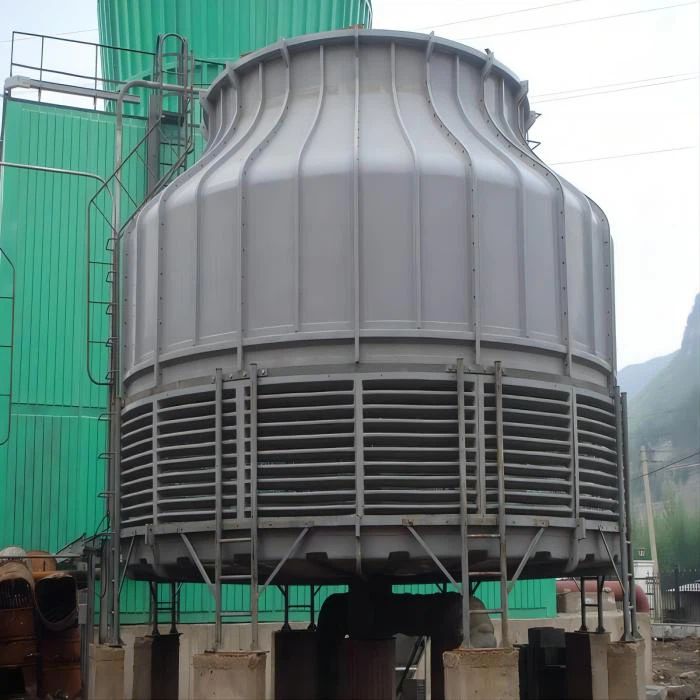
In addition to waste heat recovery systems, there are other products that can enhance the energy efficiency of a wastewater treatment plant. For example, Cooling Towers for Diesel Generator Sets are essential for maintaining the optimal operating temperature of diesel generators. These cooling towers help in dissipating the heat generated by the generators, ensuring their reliable and efficient operation.
Remote Monitoring for Generator Sets allows plant operators to monitor the performance of the generators from a remote location. This enables timely maintenance and troubleshooting, reducing downtime and improving the overall efficiency of the power generation system.
Another useful product is the Horizontal Remote Radiator. It can be used to cool various equipment in the plant, such as engines and hydraulic systems, by transferring the heat to the surrounding air.
Why Choose Our Waste Heat Recovery Systems
As a leading supplier of waste heat recovery systems, we offer several advantages. Our systems are designed with the latest technology, ensuring high efficiency and reliability. We have a team of experienced engineers who can customize the system according to the specific requirements of your wastewater treatment plant.
We also provide comprehensive after - sales service, including installation, maintenance, and technical support. Our goal is to help you maximize the benefits of waste heat recovery and achieve long - term energy savings and environmental sustainability.
Contact Us for Procurement and Consultation
If you are interested in learning more about our waste heat recovery systems or are considering implementing one in your wastewater treatment plant, we encourage you to contact us. Our sales team is ready to provide you with detailed information, answer your questions, and assist you in the procurement process. Whether you are looking for a small - scale system for a local treatment plant or a large - scale solution for a major industrial facility, we have the expertise and resources to meet your needs.
References
- Cimbala, J. M., & Cengel, Y. A. (2014). Fluid Mechanics: Fundamentals and Applications. McGraw - Hill Education.
- Kreith, F., & Manglik, R. M. (2010). Principles of Heat Transfer. Cengage Learning.
- Metcalf & Eddy, Inc. (2014). Wastewater Engineering: Treatment and Resource Recovery. McGraw - Hill Education.


