

Hey there! I'm a supplier of biomass gas generator sets, and today I wanna share some tips on how to design a biomass gas generator set for maximum efficiency.
Understanding Biomass Gasification Basics
First off, let's get the low - down on biomass gasification. Biomass, like wood chips, agricultural waste, or dedicated energy crops, can be turned into a combustible gas through a process called gasification. This gas, often called producer gas, mainly consists of carbon monoxide, hydrogen, and methane, along with some other components.
The gasification process happens in a gasifier. There are different types of gasifiers, such as fixed - bed gasifiers and fluidized - bed gasifiers. Fixed - bed gasifiers are simpler and cheaper, making them a popular choice for small - scale applications. Fluidized - bed gasifiers, on the other hand, offer better mixing and heat transfer, which can lead to more efficient gasification, but they're more complex and expensive.
Selecting the Right Biomass Feedstock
The choice of biomass feedstock is super important. Different types of biomass have different properties, like moisture content, calorific value, and ash content. For example, dry wood chips usually have a higher calorific value than wet agricultural waste.
You wanna pick a feedstock that's readily available in your area. This not only reduces transportation costs but also ensures a stable supply. Also, consider the quality of the feedstock. High - moisture feedstock can reduce the efficiency of the gasification process because energy is used to evaporate the water. You might need to pre - treat the feedstock, like drying it, to increase its efficiency.
Designing the Gasifier
The design of the gasifier is crucial for maximum efficiency. The size of the gasifier should be matched to the power output you want. If it's too small, it won't be able to produce enough gas to meet the generator's demand. If it's too big, it'll waste energy.
The gasifier should also have good insulation. This helps to maintain a high temperature inside the gasifier, which is necessary for efficient gasification. You can use materials like refractory bricks or ceramic fiber insulation.
Another important aspect is the air - to - biomass ratio. The right amount of air is needed for the gasification reaction. Too much air can cause the biomass to burn instead of gasify, while too little air can lead to incomplete gasification. You need to control this ratio carefully, and some modern gasifiers use sensors and control systems to do this automatically.
Gas Cleaning and Conditioning
The producer gas coming out of the gasifier contains impurities like tar, ash, and dust. These impurities can damage the generator and reduce its efficiency. So, you need to clean and condition the gas before it enters the generator.
There are different methods for gas cleaning. One common method is to use a cyclone separator to remove large particles of ash and dust. Then, you can use a scrubber to remove tar and other contaminants. The scrubber usually uses water or a chemical solution to clean the gas.
You also need to adjust the temperature and pressure of the gas. The generator has specific requirements for the gas temperature and pressure, and you need to make sure the gas meets these requirements.
Choosing the Right Generator
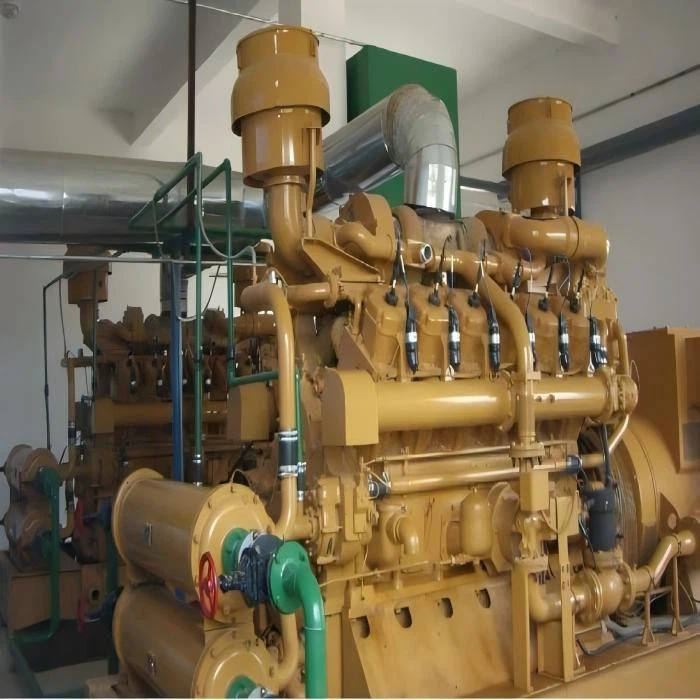
The generator is the final piece of the puzzle. You can choose between different types of generators, like internal combustion engines or gas turbines. Internal combustion engines are more common for small - to - medium - scale biomass gas generator sets because they're relatively cheap and easy to maintain.
When choosing a generator, consider its power output, efficiency, and compatibility with the producer gas. Some generators are designed to run on natural gas or diesel, and you might need to modify them to run on producer gas. You can check out our 500kw Biomass Power Plant and 300KW Biomass Generator Set for options that are well - suited for biomass - derived producer gas.
System Integration and Control
All the components of the biomass gas generator set need to work together seamlessly. You need to integrate the gasifier, gas cleaning system, and generator into a single system. This involves connecting the pipes, wires, and control systems.
A good control system is essential for maximum efficiency. The control system can monitor and adjust the parameters of the gasifier, gas cleaning system, and generator. For example, it can adjust the air - to - biomass ratio in the gasifier based on the power demand of the generator. It can also detect and diagnose problems in the system and take corrective actions.
Maintenance and Monitoring
Once your biomass gas generator set is up and running, you need to maintain it regularly. This includes cleaning the gasifier, replacing filters in the gas cleaning system, and checking the generator for wear and tear.
You also need to monitor the performance of the system. You can use sensors to measure parameters like gas flow rate, temperature, pressure, and power output. By analyzing this data, you can identify any issues early and take steps to improve the efficiency of the system.

Conclusion
Designing a biomass gas generator set for maximum efficiency is a complex but achievable task. It involves understanding the biomass gasification process, selecting the right feedstock, designing the gasifier, cleaning and conditioning the gas, choosing the right generator, integrating the system, and maintaining and monitoring it.
If you're interested in purchasing a biomass gas generator set or need more information on how to design one for your specific needs, feel free to reach out. We're here to help you get the most out of your biomass energy project.
References
- Bridgwater, A. V. (2003). The technical and economic feasibility of biomass gasification for power generation. Fuel Processing Technology, 84(1 - 3), 7 - 16.
- Reed, T. B., & Das, A. (1988). Handbook of biomass downdraft gasifier engine systems. Solar Energy Research Institute.
- Basu, P. (2010). Biomass gasification and pyrolysis: Practical design and theory. Elsevier.


