

As a seasoned supplier of sewage treatment equipment, I've witnessed firsthand the transformative power of anaerobic sewage treatment technology. This method has become a cornerstone in the realm of wastewater management, offering distinct advantages that cater to a wide range of treatment needs. In this blog, I'll delve into the key characteristics of anaerobic sewage treatment equipment, shedding light on why it's a smart choice for many applications.
High Organic Matter Removal Efficiency
One of the most remarkable features of anaerobic sewage treatment equipment is its ability to efficiently degrade organic matter in sewage. Anaerobic bacteria thrive in oxygen - free environments and break down complex organic compounds into simpler substances. Through a series of biochemical reactions, such as hydrolysis, acidogenesis, acetogenesis, and methanogenesis, organic matter in sewage is converted into biogas, mainly composed of methane and carbon dioxide.
This high - removal efficiency is particularly beneficial for treating sewage with high organic loads, such as industrial wastewater from food processing, brewing, and paper - making industries. For example, in a food - processing plant, the anaerobic treatment system can significantly reduce the chemical oxygen demand (COD) of the wastewater, making it easier to meet the discharge standards. Anaerobic digestion can achieve COD removal rates of up to 80 - 95% in some cases, which is a remarkable feat compared to other treatment methods.
Biogas Production
The production of biogas is another significant characteristic of anaerobic sewage treatment equipment. As mentioned earlier, the anaerobic decomposition of organic matter results in the generation of biogas, a valuable renewable energy source. Methane, the main component of biogas, can be used for various purposes, such as generating electricity, heating, or cooking.
In a municipal sewage treatment plant, for instance, the biogas produced from anaerobic digesters can be captured and used to power the plant's operations, reducing the reliance on external energy sources and lowering the overall operating costs. The generated biogas not only provides a sustainable energy solution but also contributes to the reduction of greenhouse gas emissions. Instead of releasing methane, a potent greenhouse gas, into the atmosphere, it can be harnessed and put to productive use. Explore more about this aspect in Biogas Sewage Treatment.
Low Energy Consumption
Compared to aerobic sewage treatment methods, anaerobic sewage treatment equipment has relatively low energy requirements. Aerobic treatment processes rely on the continuous supply of oxygen, which usually involves the use of aerators that consume a significant amount of electricity. In contrast, anaerobic treatment operates in an oxygen - free environment, so there is no need for energy - intensive aeration systems.
This low - energy characteristic makes anaerobic treatment an attractive option, especially for regions with limited energy resources or where energy costs are high. For small - scale wastewater treatment facilities in rural areas, anaerobic treatment can be a cost - effective and sustainable solution, as it reduces the economic burden associated with energy consumption and long - term operation.
Sludge Production Reduction
Another advantage of anaerobic sewage treatment equipment is the reduction in sludge production. During the anaerobic digestion process, a large portion of the organic matter in the sewage is converted into biogas and carbon dioxide, resulting in less residual sludge compared to aerobic treatment methods.
The lower sludge production has several benefits. Firstly, it reduces the cost and complexity of sludge disposal. Sludge disposal can be a significant challenge and expense for wastewater treatment plants, as it often involves transportation, treatment, and final disposal. With less sludge to handle, the overall operational cost of the treatment plant can be significantly reduced. Secondly, it also minimizes the environmental impact associated with sludge disposal, such as the potential for soil and water pollution.
Adaptability to Different Sewage Types
Anaerobic sewage treatment equipment is highly adaptable to a wide variety of sewage types. It can handle both domestic sewage and industrial wastewater with different characteristics. Whether it's sewage with high grease content from restaurants, or wastewater with high salinity from the chemical industry, anaerobic treatment systems can often be customized to meet the specific treatment requirements.
For example, in a textile factory, the wastewater contains various dyes and chemicals. Anaerobic treatment can break down some of these complex organic pollutants, and by combining with other post - treatment processes, it can effectively treat the wastewater to meet the environmental standards. This adaptability makes anaerobic treatment equipment a versatile choice for different industries and applications.
Ancillary Equipment for Enhanced Performance
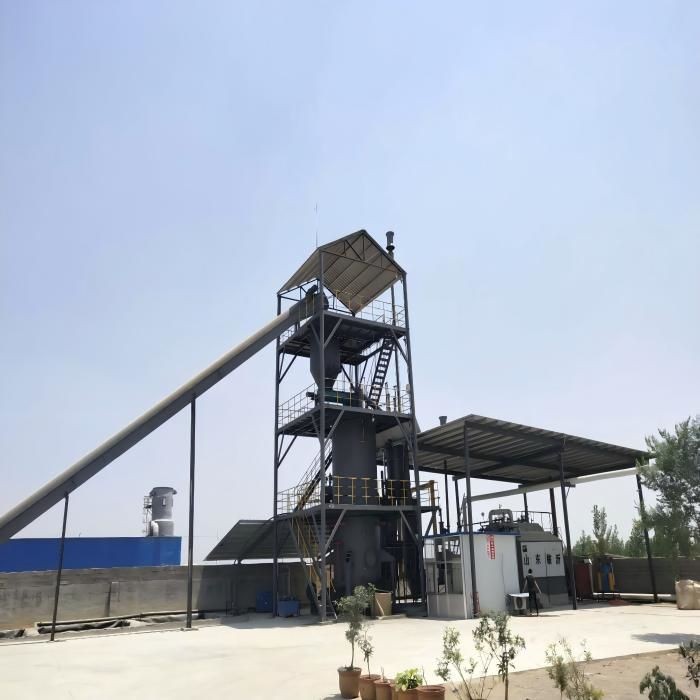
To ensure the optimal performance of anaerobic sewage treatment equipment, a range of ancillary equipment is often used. These ancillary devices play crucial roles in the smooth operation of the treatment system. For example, mixers are used to ensure uniform distribution of the sewage and microorganisms in the anaerobic reactor, enhancing the contact between the two and improving the treatment efficiency.
Temperature control equipment is also essential, as anaerobic bacteria are sensitive to temperature changes. Maintaining an appropriate temperature range is crucial for the proper growth and metabolism of the bacteria. Additionally, gas collection and purification equipment are used to capture and process the biogas generated during the anaerobic digestion process. To learn more about the ancillary equipment for anaerobic sewage treatment, visit Ancillary Equipment for Biomass Gasification.

Long - Term Stability
Anaerobic sewage treatment equipment is known for its long - term stability. Once the anaerobic digestion system is properly established and the microbial community is well - acclimated to the sewage environment, it can operate stably for an extended period.
The stability of the anaerobic treatment process is influenced by several factors, such as feedstock characteristics, temperature, and pH. By carefully controlling these parameters, the anaerobic reactor can maintain a high level of treatment efficiency and reliability. In large - scale sewage treatment plants, the long - term stability of the anaerobic treatment system ensures continuous and effective wastewater treatment, meeting the ever - increasing environmental protection requirements.
Conclusion
In conclusion, anaerobic sewage treatment equipment offers a multitude of characteristics that make it a superior choice in the field of wastewater management. Its high organic matter removal efficiency, biogas production, low energy consumption, reduced sludge production, adaptability to different sewage types, use of ancillary equipment, and long - term stability all contribute to its widespread application.
If you're in the market for sewage treatment equipment and looking for a reliable solution that combines environmental friendliness and cost - effectiveness, anaerobic sewage treatment equipment might be the answer. Our company has extensive experience in providing high - quality anaerobic sewage treatment equipment and customized solutions to meet your specific needs. We invite you to contact us for further discussions on procurement and to explore how our equipment can help you achieve your wastewater treatment goals.
References
- Metcalf & Eddy. (2014). Wastewater Engineering: Treatment and Resource Recovery. McGraw - Hill.
- Lettinga, G. (1995). Anaerobic Sewage Treatment in Warm Climates: Principles and Practice. IWA Publishing.


