

Hey there! As a supplier of Waste Heat Recovery Systems, I've seen firsthand how crucial it is to optimize these systems for maximum efficiency and cost - savings. In this blog, I'm gonna share some tips on how to do just that.
Understanding the Basics of Waste Heat Recovery Systems
Before we dive into optimization, let's quickly go over what a Waste Heat Recovery System is. Essentially, it's a system that captures and re - uses the heat that would otherwise be wasted during industrial processes. This heat can come from a variety of sources, like exhaust gases from generators, furnaces, or even chemical reactions. By recovering this heat, we can use it for other purposes, such as heating water, generating steam, or even producing electricity. You can learn more about it on our Waste Heat Recovery System page.
Assessing Your System
The first step in optimizing a Waste Heat Recovery System is to assess its current performance. You need to figure out how much heat is being wasted, where it's coming from, and what the potential uses for that heat are. Start by looking at your industrial processes and identifying the heat sources. For example, if you're running a diesel generator set, a significant amount of heat is released through the exhaust and the cooling system.

Once you've identified the heat sources, measure the temperature, flow rate, and composition of the waste heat. This data will help you determine the type of recovery system that's most suitable for your needs. You can also consider using Remote Monitoring for Generator Sets to keep track of the performance of your generators and the waste heat they produce. This way, you can spot any issues early and make adjustments as needed.
Choosing the Right Technology
There are several technologies available for waste heat recovery, and choosing the right one is key to optimization. Here are some common options:
Heat Exchangers
Heat exchangers are one of the most widely used technologies for waste heat recovery. They work by transferring heat from the hot waste stream to a cooler fluid, such as water or air. There are different types of heat exchangers, including shell - and - tube, plate, and finned - tube heat exchangers. The choice of heat exchanger depends on factors like the temperature and flow rate of the waste heat, the type of fluid being heated, and the space available for installation.
Organic Rankine Cycle (ORC) Systems
ORC systems are used to generate electricity from low - to - medium - temperature waste heat. They use an organic fluid with a low boiling point instead of water, which allows them to operate at lower temperatures. ORC systems are a great option if you have a waste heat source with a temperature between 80°C and 300°C and you want to produce electricity.
Absorption Chillers
Absorption chillers can use waste heat to produce cooling. They work by using a heat source to drive a refrigeration cycle. This is a great option if you have a need for cooling in your industrial process, such as in a food processing plant or a data center.
System Design and Installation
Once you've chosen the right technology, it's time to design and install the waste heat recovery system. The design should take into account the specific requirements of your industrial process, including the layout of your facility, the available space, and the existing infrastructure.
Make sure to work with experienced engineers and installers who have a good understanding of waste heat recovery systems. They can help you optimize the design for maximum efficiency and ensure that the system is installed correctly. During the installation process, pay attention to details like proper insulation, pipe sizing, and valve selection. Good insulation will prevent heat loss, while the right pipe sizing and valve selection will ensure proper flow and control of the fluids.
Maintenance and Monitoring
Optimizing a waste heat recovery system doesn't stop at installation. Regular maintenance and monitoring are essential to keep the system running efficiently.
Maintenance
Set up a regular maintenance schedule for your waste heat recovery system. This should include tasks like cleaning the heat exchangers, checking the fluid levels, and inspecting the pipes and valves for leaks. Dirty heat exchangers can significantly reduce the efficiency of the system, so make sure to clean them regularly. You may also need to replace filters and lubricate moving parts as recommended by the manufacturer.
Monitoring
Continuously monitor the performance of your waste heat recovery system. Keep track of parameters like the temperature, pressure, and flow rate of the waste heat and the recovered heat. You can use sensors and monitoring software to collect this data and analyze it. If you notice any changes in the performance, investigate the cause and take corrective action immediately. Using Remote Monitoring for Generator Sets can also be beneficial for overall system monitoring, especially if your waste heat recovery system is connected to a generator.
Integration with Other Systems
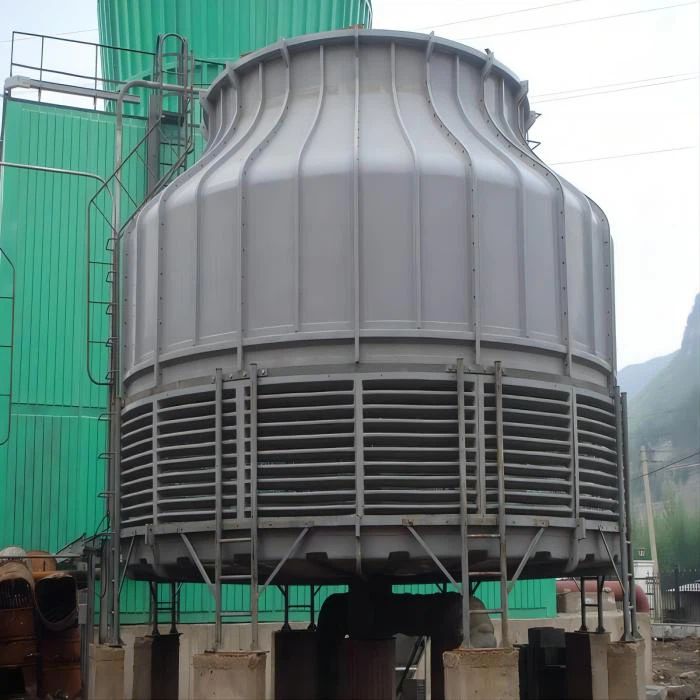
Another way to optimize a waste heat recovery system is to integrate it with other systems in your industrial facility. For example, if you have a Cooling Towers for Diesel Generator Sets, you can use the waste heat from the generator to pre - heat the water in the cooling tower. This can reduce the energy consumption of the cooling tower and improve the overall efficiency of the facility.
You can also integrate the waste heat recovery system with your heating, ventilation, and air - conditioning (HVAC) system. The recovered heat can be used to heat the building or to pre - heat the incoming air, reducing the load on the HVAC system.
Training Your Staff
Your staff plays a crucial role in the optimization of your waste heat recovery system. Make sure they are trained on how to operate and maintain the system properly. Provide them with training on safety procedures, system controls, and troubleshooting.
Well - trained staff can spot potential issues early, operate the system more efficiently, and follow the maintenance schedule. This can lead to better performance and longer lifespan of the waste heat recovery system.
Conclusion
Optimizing a waste heat recovery system is a multi - step process that involves assessing your system, choosing the right technology, proper design and installation, regular maintenance and monitoring, integration with other systems, and training your staff. By following these steps, you can increase the efficiency of your waste heat recovery system, reduce your energy costs, and minimize your environmental impact.
If you're interested in optimizing your waste heat recovery system or are looking to purchase a new one, we're here to help. Our team of experts can work with you to design and install a system that meets your specific needs. Contact us to start the procurement and negotiation process, and let's work together to make your industrial processes more efficient.
References
- "Waste Heat Recovery Handbook" - A comprehensive guide on waste heat recovery technologies and applications.
- Industry reports on energy efficiency and waste heat recovery in industrial processes.


