

Proper storage of a Horizontal Remote Radiator is crucial to maintain its performance and longevity. As a supplier of Horizontal Remote Radiators, I understand the significance of providing guidance on this topic. In this blog post, I will share some essential tips on how to store a Horizontal Remote Radiator properly.
1. Cleaning the Radiator
Before storing the Horizontal Remote Radiator, it is essential to clean it thoroughly. Over time, radiators can accumulate dirt, debris, and other contaminants that can affect their efficiency. Use a soft brush or a low - pressure water spray to remove any loose dirt from the exterior of the radiator. For more stubborn dirt, you can use a mild detergent solution. Make sure to rinse the radiator completely to remove all traces of the detergent.
Inside the radiator, flush the coolant system. Drain the old coolant according to the manufacturer's instructions. If possible, use a radiator flush solution to clean the internal passages. This helps to remove any rust, scale, or sediment that may have built up over time. After flushing, refill the radiator with fresh coolant. A clean radiator is less likely to develop corrosion or other issues during storage.

2. Inspecting for Damage
Conduct a detailed inspection of the radiator for any signs of damage. Check the fins for any bent or damaged areas. Bent fins can impede the airflow through the radiator, reducing its cooling efficiency. If you find bent fins, you can use a fin comb to straighten them carefully.
Inspect the tubes and the radiator core for leaks. Look for any signs of coolant seepage, such as wet spots or a sweet - smelling odor. If you detect a leak, it is important to repair it before storage. Small leaks can sometimes be fixed with a radiator sealant, but more significant damage may require professional repair.
Check the hoses and connections as well. Look for cracks, bulges, or loose fittings. Replace any damaged hoses and tighten all connections securely. A radiator with damaged components is at a higher risk of further deterioration during storage.
3. Protecting the Exterior
Once the radiator is clean and inspected, it is time to protect its exterior. You can use a radiator cover or a plastic sheet to shield the radiator from dust, moisture, and physical damage. Make sure the cover fits snugly and is properly secured.
If the radiator will be stored in an area where it may be exposed to chemicals or other corrosive substances, consider applying a protective coating. There are special coatings available in the market that can provide an extra layer of protection against corrosion. Follow the manufacturer's instructions when applying the coating.
4. Choosing the Right Storage Location
The storage location plays a vital role in the proper storage of the Horizontal Remote Radiator. Select a dry, clean, and well - ventilated area. Avoid storing the radiator in damp or humid places, as moisture can cause rust and corrosion. A basement or a garage that is prone to flooding is not a suitable storage location.
The storage area should also be protected from direct sunlight. Prolonged exposure to sunlight can cause the plastic components of the radiator, such as the end tanks, to become brittle and crack. If possible, store the radiator indoors.
Make sure the storage area is free from potential sources of physical damage. Keep the radiator away from heavy machinery, sharp objects, and areas where there is a high risk of impact.
5. Storing in the Correct Position
The Horizontal Remote Radiator should be stored in a horizontal position. This helps to prevent any coolant from pooling in one area and causing uneven stress on the radiator components. Place the radiator on a flat and stable surface to avoid any tilting or sagging.
If the radiator has to be stacked with other items, make sure to place appropriate padding between the radiator and the other objects to prevent scratches and damage. Do not stack heavy items on top of the radiator, as this can cause deformation.
6. Maintaining the Coolant
The coolant in the radiator is an important factor during storage. As mentioned earlier, use fresh coolant when refilling the radiator. The coolant not only helps to prevent freezing in cold temperatures but also provides corrosion protection.
Some coolants need to be changed at regular intervals, so it is important to note the type of coolant used and its recommended lifespan. If the storage period is long, you may need to drain and refill the coolant periodically to ensure its effectiveness.
7. Monitoring During Storage
Even after the radiator is properly stored, it is important to monitor it regularly. Check the storage area for any signs of moisture or pests. If you notice any issues, take immediate action to address them.
Inspect the radiator periodically for any changes. Look for signs of rust, mold, or further damage. If you detect any problems early, you can take steps to prevent them from getting worse.
8. Remote Monitoring and Related Systems
When it comes to maintaining and monitoring the performance of generators and related equipment, Remote Monitoring for Generator Sets can be a valuable tool. This technology allows you to keep track of the generator's operation and detect any potential issues before they become major problems.
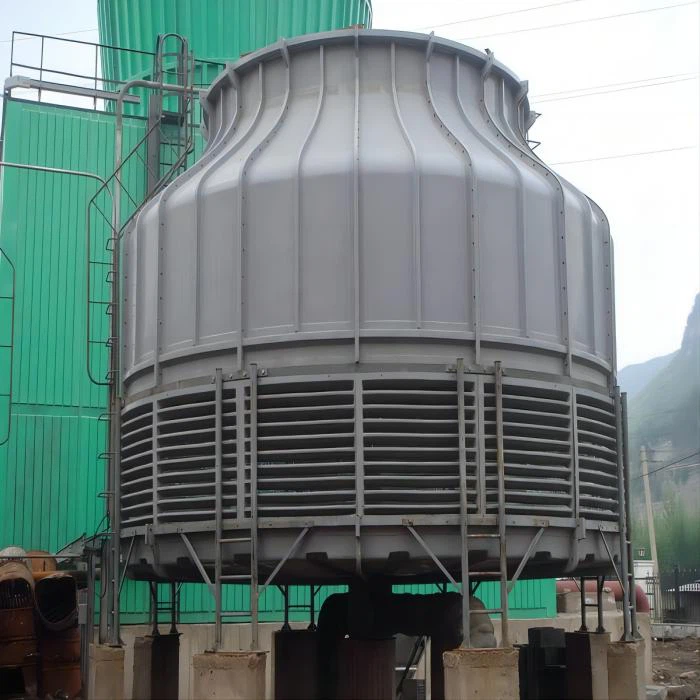
In addition, Cooling Towers for Diesel Generator Sets play a crucial role in the overall cooling system. These towers help to dissipate heat effectively and ensure the proper functioning of the generator.
The Power Transmission and Distribution System is also an important aspect to consider. A well - designed and maintained power system is essential for the reliable operation of generators and other equipment.
Contact for Purchase and Consultation
If you are in the market for a Horizontal Remote Radiator or have any questions about storage, installation, or maintenance, we are here to help. Our team of experts can provide you with the best solutions and advice tailored to your specific needs. Whether you are a small business owner or a large industrial facility, we have the products and expertise to meet your requirements. Reach out to us for a consultation and let's discuss how we can assist you in getting the most out of your radiator.
References
- "Radiator Maintenance Guide", Industry Standard Publications
- "Cooling System Basics", Technical Manuals for Generator Equipment
- "Best Practices for Equipment Storage", Engineering and Maintenance Journals


