

In the era of sustainable energy development, biomass gas generator sets have emerged as a promising solution to meet the growing demand for clean and renewable power. As a dedicated supplier of biomass gas generator sets, I've witnessed firsthand the transformative potential of this technology. Today, I'd like to delve into the efficiency improvement potential of biomass gas generator sets, exploring the factors that influence efficiency and the strategies we can adopt to enhance it.
Understanding Biomass Gas Generator Sets
Before we discuss efficiency improvement, let's briefly understand how biomass gas generator sets work. Biomass gasification is a thermochemical process that converts organic materials, such as wood chips, agricultural residues, and energy crops, into a combustible gas known as syngas. This syngas is then used to fuel an internal combustion engine, which drives a generator to produce electricity.
The efficiency of a biomass gas generator set is typically measured by the electrical efficiency, which is the ratio of the electrical power output to the chemical energy input of the biomass fuel. Higher efficiency means more electricity can be generated from the same amount of biomass, reducing fuel consumption and operating costs.
Factors Affecting the Efficiency of Biomass Gas Generator Sets
Several factors can influence the efficiency of biomass gas generator sets. Understanding these factors is crucial for identifying opportunities for improvement.
Biomass Fuel Quality
The quality of the biomass fuel plays a significant role in the efficiency of the gasification process. Biomass with high moisture content, for example, requires more energy to evaporate the water during gasification, reducing the overall efficiency. Additionally, the chemical composition of the biomass, such as its carbon, hydrogen, and oxygen content, can affect the composition and heating value of the syngas produced. Using high - quality biomass fuels with low moisture content and optimal chemical composition can improve the efficiency of the gas generator set.
Gasification Technology
The type of gasification technology employed also has a major impact on efficiency. Different gasification processes, such as fixed - bed, fluidized - bed, and entrained - flow gasification, have different characteristics in terms of gas quality, conversion efficiency, and operating conditions. For instance, fluidized - bed gasifiers generally offer better mixing and heat transfer, resulting in more efficient gasification and higher - quality syngas compared to fixed - bed gasifiers.
Engine and Generator Performance
The performance of the internal combustion engine and the generator is another critical factor. Modern engines with advanced combustion technologies, such as direct injection and turbocharging, can achieve higher thermal efficiency. Similarly, high - efficiency generators can convert mechanical energy into electrical energy with minimal losses. Regular maintenance and optimization of the engine and generator can also help maintain their performance and efficiency over time.
System Integration and Control
Efficient system integration and control are essential for maximizing the overall efficiency of the biomass gas generator set. This includes proper sizing of the gasifier, engine, and generator to match the load requirements, as well as effective control of the gasification process, engine operation, and power output. Advanced control systems can adjust the operating parameters in real - time to optimize the efficiency of the entire system.
Strategies for Improving Efficiency
Based on the factors mentioned above, we can implement several strategies to improve the efficiency of biomass gas generator sets.
Fuel Pre - treatment
Pre - treating the biomass fuel can significantly improve its quality and suitability for gasification. Drying the biomass to reduce its moisture content is one of the most effective pre - treatment methods. This can be done using natural drying methods, such as sun drying, or more advanced drying technologies, such as rotary dryers or fluidized - bed dryers. Additionally, biomass can be processed into pellets or briquettes to improve its handling and combustion characteristics.
Upgrading Gasification Technology
Investing in advanced gasification technologies can lead to substantial efficiency improvements. For example, fluidized - bed gasifiers offer better heat transfer and mixing, resulting in more complete gasification and higher - quality syngas. Some advanced gasification systems also incorporate features such as tar cracking and gas cleaning to improve the purity and heating value of the syngas, which in turn enhances the efficiency of the engine.
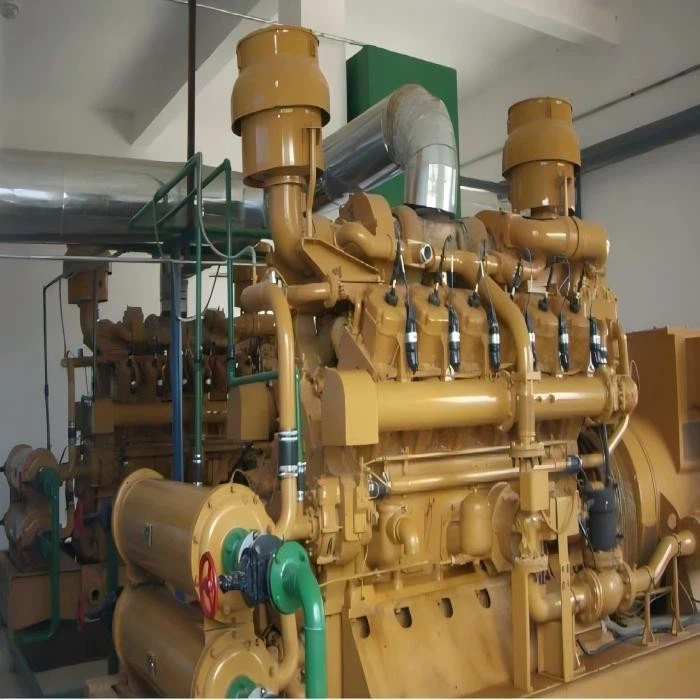

Engine and Generator Optimization
Regular maintenance and optimization of the engine and generator are essential for maintaining their efficiency. This includes tasks such as changing the oil, filters, and spark plugs, as well as adjusting the engine's ignition timing and fuel injection system. Upgrading to more efficient engines and generators can also be a viable option, especially for older or less efficient systems.
System Monitoring and Control
Implementing a comprehensive system monitoring and control system can help optimize the operation of the biomass gas generator set. This system can continuously monitor key parameters such as gas composition, temperature, pressure, and power output, and adjust the operating conditions in real - time to maximize efficiency. For example, if the gas composition changes, the control system can adjust the engine's fuel - air ratio to ensure optimal combustion.
Case Studies: Efficiency Improvements in Real - World Applications
To illustrate the potential for efficiency improvement, let's look at some real - world examples.
In a small - scale biomass power plant using a 500kw Biomass Power Plant, the operator initially faced challenges with low efficiency due to the use of biomass fuel with high moisture content. By implementing a biomass drying system, the moisture content of the fuel was reduced from 30% to 15%. This led to a significant improvement in the gasification efficiency, resulting in a 10% increase in the electrical output of the power plant.
Another example is a 300KW Biomass Generator Set that was experiencing issues with engine performance. After a comprehensive engine tune - up and the installation of a new fuel injection system, the engine's thermal efficiency increased by 8%. This improvement not only reduced fuel consumption but also extended the engine's service life.
Conclusion and Call to Action
In conclusion, biomass gas generator sets have significant efficiency improvement potential. By addressing factors such as biomass fuel quality, gasification technology, engine and generator performance, and system integration, we can enhance the efficiency of these systems, making them more cost - effective and environmentally friendly.
If you're interested in exploring the efficiency improvement opportunities for your biomass gas generator set or are considering purchasing a new one, I encourage you to reach out to us. Our team of experts is ready to provide you with customized solutions and technical support to help you achieve the best performance from your biomass power system.
References
- Bridgwater, A. V. (2003). Renewable fuels and chemicals by thermal processing of biomass. Chemical Engineering Journal, 91(1 - 3), 87 - 102.
- Basu, P. (2010). Biomass gasification and pyrolysis: Practical design and theory. Elsevier.
- Demirbas, A. (2005). Biomass resource facilities and biomass conversion processing for fuels and chemicals. Energy Conversion and Management, 46(6), 951 - 968.


