

Diesel engines have long been a cornerstone of the transportation and industrial sectors, valued for their efficiency and durability. However, they are also significant sources of harmful emissions, particularly particulate matter (PM) and nitrogen oxides (NOx). These pollutants pose serious risks to human health and the environment. To address these concerns, Diesel Particulate Filters (DPFs) have emerged as a crucial technology in reducing diesel engine emissions. As a supplier of Diesel Particulate Filters, I am well - versed in how these devices work and their impact on emission reduction.
The Problem of Diesel Emissions
Diesel engines burn fuel in a high - pressure, high - temperature environment. During the combustion process, incomplete combustion occurs, leading to the formation of particulate matter. These particles are mainly composed of carbonaceous soot, as well as various organic compounds and heavy metals. When inhaled, PM can penetrate deep into the lungs and even enter the bloodstream, causing respiratory and cardiovascular diseases.
In addition to PM, diesel engines also emit nitrogen oxides. NOx compounds, such as nitrogen monoxide (NO) and nitrogen dioxide (NO₂), contribute to the formation of smog, acid rain, and ground - level ozone. These environmental problems have far - reaching consequences, including damage to ecosystems, crops, and buildings.
How Diesel Particulate Filters Work
A Diesel Particulate Filter is a device installed in the exhaust system of a diesel engine. Its primary function is to trap and remove particulate matter from the exhaust gases before they are released into the atmosphere.
Filtration Mechanism
DPFs typically use a porous ceramic or metallic substrate with a honeycomb - like structure. The exhaust gases flow through the channels of the honeycomb, and the particulate matter is trapped on the walls of the channels. There are two main types of filtration mechanisms: surface filtration and depth filtration.
Surface filtration occurs when the particles are deposited on the surface of the filter material. As more particles accumulate, a layer of soot forms on the surface, which further enhances the filtration efficiency. Depth filtration, on the other hand, involves the particles being trapped within the pores of the filter material. The combination of these two mechanisms allows DPFs to achieve high filtration efficiencies, often exceeding 90%.
Regeneration Process
Over time, the trapped particulate matter accumulates in the DPF, increasing the back - pressure in the exhaust system. This can lead to reduced engine performance and increased fuel consumption. To maintain the efficiency of the DPF, a regeneration process is required to burn off the accumulated soot.

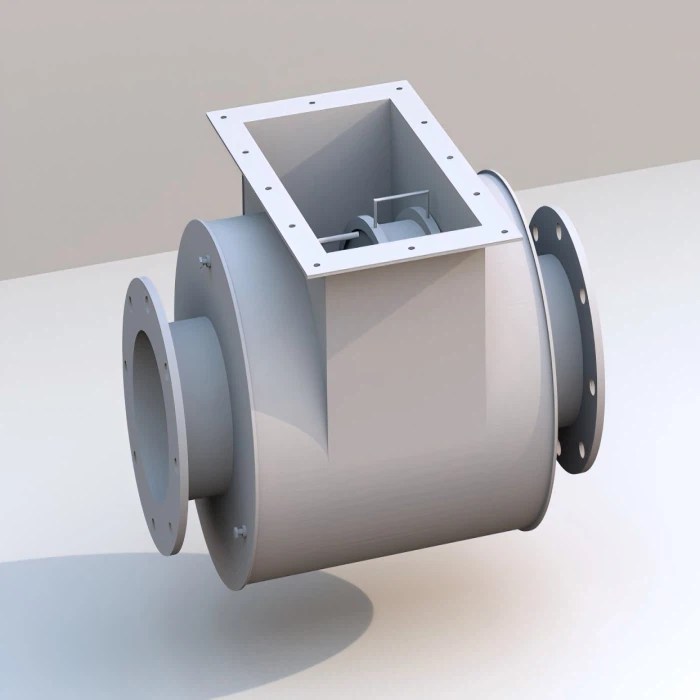
There are two main types of regeneration: passive and active. Passive regeneration occurs under normal driving conditions when the exhaust gas temperature is high enough (usually above 250 - 300°C) to oxidize the soot. This process is facilitated by the presence of a Diesel Oxidation Catalyst (DOC) upstream of the DPF. The DOC oxidizes the hydrocarbons and carbon monoxide in the exhaust gas, generating heat and promoting the oxidation of soot in the DPF. Diesel Oxidation Catalyst
Active regeneration is initiated when the soot load in the DPF reaches a certain level. The engine control unit (ECU) triggers a series of actions to increase the exhaust gas temperature. This can be achieved by injecting additional fuel into the exhaust system or adjusting the engine's operating parameters. The increased temperature (up to 600 - 700°C) burns off the accumulated soot, restoring the DPF's filtration efficiency.
The Role of Catalysts in Emission Reduction
In addition to the physical filtration provided by the DPF, catalysts play a crucial role in reducing other harmful emissions from diesel engines.
Diesel Oxidation Catalyst (DOC)
As mentioned earlier, the DOC is installed upstream of the DPF. Its main function is to oxidize the hydrocarbons (HC) and carbon monoxide (CO) in the exhaust gas. The DOC contains precious metals such as platinum and palladium, which act as catalysts to promote the oxidation reactions.
When the exhaust gas passes through the DOC, the HC and CO react with oxygen in the presence of the catalyst to form carbon dioxide (CO₂) and water (H₂O). This not only reduces the emissions of these pollutants but also generates heat, which is beneficial for the passive regeneration of the DPF.
Selective Catalytic Reduction (SCR) Catalyst
Another important catalyst in diesel emission control is the Selective Catalytic Reduction (SCR) catalyst. The SCR system is designed to reduce nitrogen oxides (NOx) emissions. A Cu - based SCR Catalyst is commonly used in modern diesel engines.
In the SCR process, a reducing agent, usually urea (in the form of Diesel Exhaust Fluid, DEF), is injected into the exhaust gas upstream of the SCR catalyst. The urea decomposes into ammonia (NH₃) in the hot exhaust gas. The ammonia then reacts with the NOx in the presence of the SCR catalyst to form nitrogen (N₂) and water (H₂O). This chemical reaction effectively reduces the NOx emissions from diesel engines.
Benefits of Using Diesel Particulate Filters
The use of Diesel Particulate Filters offers several significant benefits.
Environmental Benefits
The most obvious benefit is the reduction of particulate matter emissions. By trapping and removing a large portion of the PM from the exhaust gas, DPFs help to improve air quality, especially in urban areas where diesel vehicles are prevalent. This reduction in PM emissions also contributes to the mitigation of climate change, as black carbon (a component of PM) is a potent short - lived climate forcer.
In addition to PM reduction, the combination of DPFs with DOCs and SCR catalysts can significantly reduce other harmful emissions such as HC, CO, and NOx. This comprehensive approach to emission control helps to protect the environment and human health.
Regulatory Compliance
In many countries and regions, strict emission standards have been implemented for diesel vehicles and equipment. The use of DPFs is often a requirement for meeting these standards. By installing DPFs and other emission control devices, vehicle manufacturers and operators can ensure regulatory compliance and avoid costly fines.
Engine Performance and Fuel Efficiency
Contrary to the initial concerns, well - maintained DPFs can actually improve engine performance and fuel efficiency. By reducing the back - pressure in the exhaust system through proper regeneration, the engine can operate more efficiently. Additionally, the reduction in emissions means that the engine can run cleaner, which can lead to longer engine life and reduced maintenance costs.
Our Company as a Diesel Particulate Filter Supplier
As a supplier of Diesel Particulate Filters, we are committed to providing high - quality products that meet the most stringent emission standards. Our DPFs are designed with advanced filtration materials and technologies to ensure maximum efficiency and durability.
We understand the importance of proper installation and maintenance of DPFs. That's why we offer comprehensive technical support to our customers, including installation guidance, regeneration procedures, and troubleshooting. Our team of experts is always available to answer any questions and provide solutions to any problems that may arise.
In addition to DPFs, we also offer a range of related products, such as Diesel Oxidation Catalysts and Cu - based SCR Catalysts. Our integrated approach to emission control allows us to provide complete solutions for diesel engines, whether they are used in light - duty vehicles, heavy - duty trucks, or industrial equipment.
Contact Us for Purchase and Negotiation
If you are in the market for Diesel Particulate Filters or other emission control products, we invite you to contact us for a purchase negotiation. Our sales team is eager to discuss your specific requirements and provide you with a customized solution. We offer competitive prices, high - quality products, and excellent customer service. Whether you are a vehicle manufacturer, fleet operator, or equipment distributor, we are confident that we can meet your needs. Don't hesitate to reach out to us and take the first step towards cleaner and more efficient diesel engines.
References
- Heywood, J. B. (1988). Internal Combustion Engine Fundamentals. McGraw - Hill.
- Johnson, T. V. (2009). Diesel emissions in review. Atmospheric Environment, 43(2), 303 - 317.
- Neeft, J. P. A., Makkee, M., & Moulijn, J. A. (1996). Catalytic combustion of methane. Catalysis Reviews - Science and Engineering, 38(1), 33 - 117.


