

Hey there! As a supplier of Horizontal Remote Radiators, I've been getting a lot of questions lately about how these radiators affect a vehicle's cooling system pressure. So, I thought I'd dive into this topic and share some insights with you all.
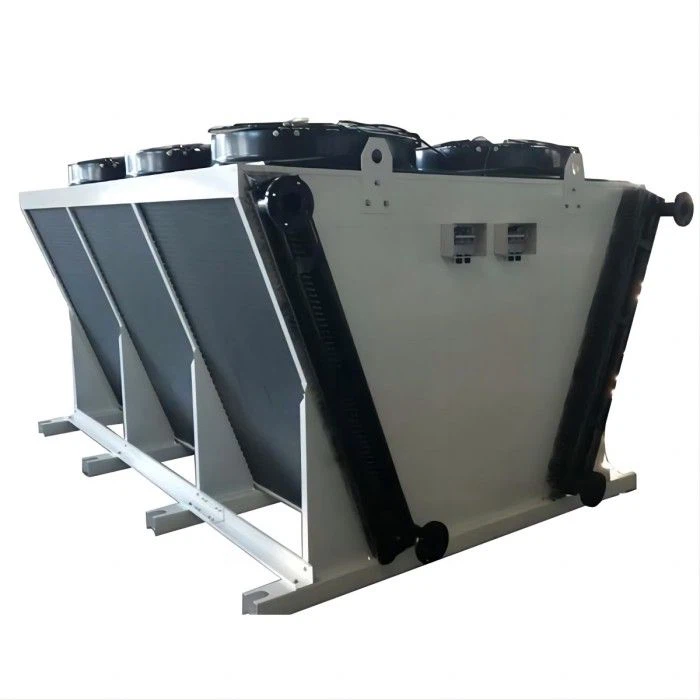
Let's start by understanding what a Horizontal Remote Radiator is. A Horizontal Remote Radiator is a type of radiator that's placed away from the main engine area. It's designed to cool down the coolant that circulates through the engine, preventing it from overheating. Unlike traditional radiators that are usually mounted right in front of the engine, horizontal remote radiators offer more flexibility in terms of installation and can be a great solution for vehicles where space is limited or where specific cooling requirements need to be met.
Now, when it comes to the cooling system pressure, it's crucial to maintain the right balance. The cooling system in a vehicle is a closed-loop system, and the pressure inside this loop plays a vital role in its efficiency. The pressure helps to raise the boiling point of the coolant, which means the coolant can absorb more heat without turning into steam. If the pressure is too low, the coolant might boil at a lower temperature, leading to overheating. On the other hand, if the pressure is too high, it can put excessive stress on the cooling system components, potentially causing leaks or even component failure.
So, how does a Horizontal Remote Radiator fit into this picture? Well, one of the key ways it affects the cooling system pressure is through its design and location. Since it's placed remotely from the engine, the length and layout of the coolant hoses connecting the radiator to the engine can have an impact. Longer hoses can introduce more resistance to the flow of coolant, which can in turn affect the pressure. If the hoses are too narrow or have sharp bends, it can further increase the resistance and cause fluctuations in the pressure.
Another factor is the airflow around the radiator. Horizontal Remote Radiators rely on proper airflow to dissipate heat effectively. If the radiator is not installed in an area with sufficient airflow, it can lead to poor heat transfer. When the radiator can't transfer heat efficiently, the coolant temperature rises, and this can cause the pressure in the cooling system to increase. To avoid this, it's important to ensure that the radiator is installed in a location where it can receive adequate fresh air.
It's also worth mentioning that the size and capacity of the Horizontal Remote Radiator matter. A radiator that's too small for the vehicle's cooling requirements won't be able to handle the heat load effectively. This can cause the coolant to heat up quickly, leading to an increase in pressure. On the other hand, an oversized radiator might not operate at its optimal efficiency, which can also have an impact on the pressure. So, it's essential to choose the right size of the radiator based on the vehicle's engine specifications and cooling needs.
Now, let's talk about how we, as a Horizontal Remote Radiator supplier, ensure that our products have a positive impact on the cooling system pressure. We use high-quality materials in the construction of our radiators. This includes using corrosion-resistant metals for the radiator core and hoses, which helps to maintain the integrity of the cooling system and prevent leaks that could affect the pressure.
Our engineering team conducts extensive testing to optimize the design of the radiators. We consider factors like hose length, diameter, and routing to minimize resistance and ensure a smooth flow of coolant. This helps to keep the pressure within the optimal range. We also pay close attention to the fin design of the radiator. The fins play a crucial role in heat transfer, and by designing them in the right way, we can enhance the radiator's efficiency and help maintain stable pressure in the cooling system.
In addition to the Horizontal Remote Radiators, we also offer other related products that can complement the cooling system. For example, our Waste Heat Recovery System can help to make the most of the heat that's generated by the engine. By recovering and reusing this waste heat, it can reduce the overall heat load on the cooling system, which in turn can have a positive impact on the pressure.
We also provide Remote Monitoring for Generator Sets. This system allows you to keep an eye on the cooling system pressure and other vital parameters in real-time. You can monitor the pressure from anywhere, which gives you peace of mind and allows you to take action quickly if there are any issues.
If you're experiencing problems with your vehicle's cooling system pressure or are looking to upgrade to a more efficient cooling solution, a Horizontal Remote Radiator could be the answer. Our team of experts is always ready to help you choose the right radiator for your vehicle. We can also provide installation guidance and support to ensure that the radiator is installed correctly and functions optimally.
Whether you're a fleet manager looking to improve the performance of your vehicles or a DIY enthusiast working on a custom project, our Horizontal Remote Radiators are designed to meet your needs. We understand that every vehicle is different, and we're committed to providing personalized solutions.
So, if you're interested in learning more about our Horizontal Remote Radiators or want to discuss your specific requirements, don't hesitate to reach out. We're here to help you ensure that your vehicle's cooling system operates at its best, with the right pressure and optimal efficiency.
In conclusion, a Horizontal Remote Radiator can have a significant impact on a vehicle's cooling system pressure. By understanding the factors that affect the pressure and choosing a high-quality radiator from a reliable supplier, you can ensure that your vehicle's cooling system functions smoothly and efficiently. So, take the first step towards a better cooling solution and get in touch with us today!
References

- Automotive Cooling System Fundamentals: A Guide to Understanding and Maintenance.
- Engineering Studies on Remote Radiator Design and Performance.


