

Hey there! As a supplier of Waste Heat Recovery Systems, I've been getting a lot of questions lately about how these systems affect the reliability of a plant. So, I thought I'd take a moment to share my insights on this topic.
First off, let's talk about what a Waste Heat Recovery System (WHRS) actually is. Simply put, it's a technology that captures the waste heat generated by industrial processes and converts it into useful energy, such as electricity or steam. This not only helps to reduce energy consumption and costs but also minimizes the environmental impact of the plant.
Now, let's dive into how a WHRS can impact the reliability of a plant. One of the most significant benefits of a WHRS is that it can improve the overall efficiency of the plant. By recovering waste heat that would otherwise be lost, the system can provide additional energy to power the plant's operations. This means that the plant can produce the same amount of output with less fuel, reducing the strain on the primary energy source and potentially extending its lifespan.
For example, let's say you have a power plant that uses a gas turbine to generate electricity. The gas turbine produces a significant amount of waste heat, which is typically released into the atmosphere. By installing a WHRS, you can capture this waste heat and use it to produce steam, which can then be used to generate additional electricity or to power other processes within the plant. This not only increases the overall efficiency of the plant but also reduces the amount of fuel needed to generate the same amount of electricity, improving the reliability of the power supply.
Another way that a WHRS can improve the reliability of a plant is by reducing the maintenance requirements of the equipment. When a plant operates at a high temperature, it can cause wear and tear on the equipment, leading to more frequent breakdowns and maintenance issues. By capturing the waste heat and using it to generate useful energy, the WHRS can help to reduce the temperature of the equipment, extending its lifespan and reducing the need for maintenance.
In addition to improving efficiency and reducing maintenance requirements, a WHRS can also enhance the flexibility of the plant. With a WHRS in place, the plant can adjust its energy production based on the demand, allowing it to operate more efficiently and effectively. For example, during periods of high demand, the plant can use the additional energy generated by the WHRS to meet the increased load, while during periods of low demand, it can reduce its energy production to save fuel and reduce costs.
Now, let's talk about some of the potential challenges that you may face when implementing a WHRS in your plant. One of the main challenges is the initial cost of the system. Installing a WHRS can be expensive, and it may take some time to recoup the investment through energy savings. However, it's important to note that the long-term benefits of a WHRS, such as improved efficiency, reduced maintenance requirements, and increased flexibility, can far outweigh the initial cost.
Another challenge is the complexity of the system. A WHRS is a complex piece of equipment that requires careful planning, design, and installation. It's important to work with a reputable supplier who has experience in designing and installing WHRSs to ensure that the system is installed correctly and operates efficiently.
Finally, it's important to consider the impact of the WHRS on the overall operation of the plant. The system may require some modifications to the existing equipment and processes, and it's important to ensure that these modifications are made in a way that does not disrupt the normal operation of the plant.
So, how can you ensure that your WHRS is reliable and operates efficiently? One of the key factors is to choose a high-quality system from a reputable supplier. At our company, we have a team of experienced engineers who can design and install a WHRS that is tailored to your specific needs and requirements. We use the latest technology and materials to ensure that our systems are reliable, efficient, and easy to maintain.
In addition to choosing a high-quality system, it's also important to implement a comprehensive maintenance program. Regular maintenance and inspections can help to identify and address any potential issues before they become major problems, ensuring that your WHRS operates efficiently and reliably.
Another important factor is to monitor the performance of the WHRS. By using advanced monitoring and control systems, you can track the energy production, efficiency, and other key parameters of the system in real-time. This allows you to identify any issues or trends early on and take corrective action to optimize the performance of the system.
At our company, we offer a range of monitoring and control solutions for WHRSs, including Remote Monitoring for Generator Sets. This system allows you to monitor the performance of your WHRS from anywhere in the world, using a web-based interface. You can track the energy production, efficiency, and other key parameters of the system in real-time, and receive alerts if any issues are detected.
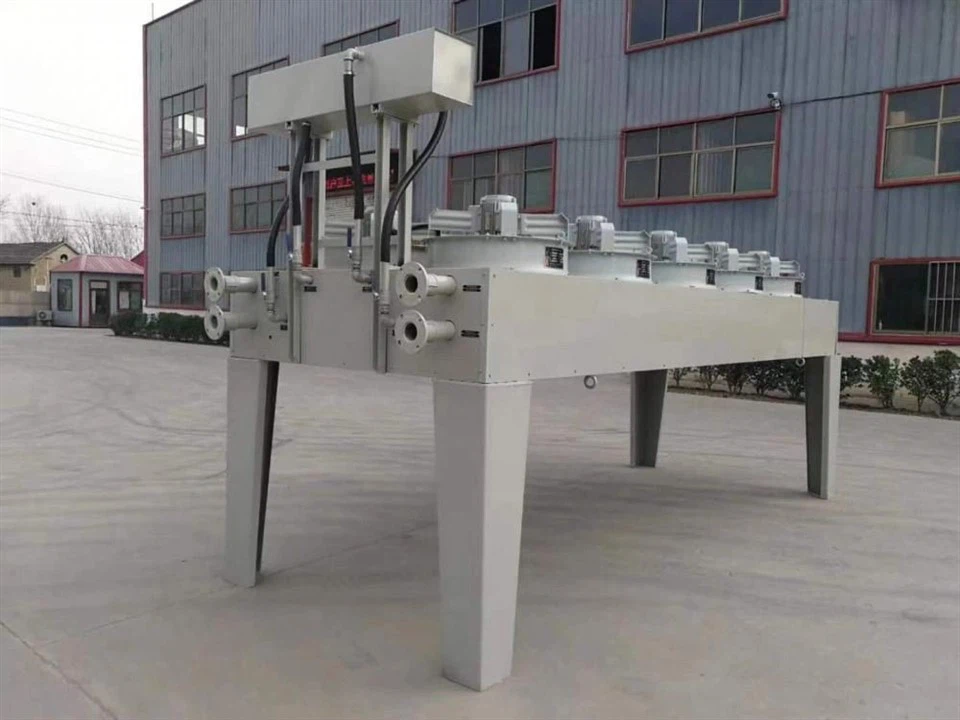
We also offer a range of other products and services to support the operation of your WHRS, including Horizontal Remote Radiator and Power Transmission and Distribution System. These products and services are designed to ensure that your WHRS operates efficiently and reliably, and that you get the most out of your investment.
In conclusion, a Waste Heat Recovery System can have a significant impact on the reliability of a plant. By improving efficiency, reducing maintenance requirements, and enhancing flexibility, a WHRS can help to ensure that your plant operates smoothly and effectively. However, it's important to choose a high-quality system from a reputable supplier, implement a comprehensive maintenance program, and monitor the performance of the system to ensure that it operates efficiently and reliably.
If you're interested in learning more about how a Waste Heat Recovery System can benefit your plant, or if you have any questions or concerns, please don't hesitate to contact us. We'd be happy to discuss your specific needs and requirements and provide you with a customized solution that meets your budget and goals.
References

- Smith, J. (2020). Waste Heat Recovery: Principles and Applications. New York: Wiley.
- DOE. (2021). Industrial Waste Heat Recovery. Retrieved from https://www.energy.gov/eere/industry/industrial-waste-heat-recovery
- IEA. (2022). Waste Heat Recovery in Industry. Retrieved from https://www.iea.org/reports/waste-heat-recovery-in-industry


