

In today's world, the pursuit of energy independence has become a global imperative. As concerns about climate change, energy security, and resource depletion intensify, industries and nations are increasingly turning to innovative solutions to reduce their reliance on traditional energy sources. One such solution that holds significant promise is the Waste Heat Recovery System (WHRS). As a supplier of advanced WHRS technology, I have witnessed firsthand the transformative impact these systems can have on energy efficiency and independence. In this blog post, I will explore how a Waste Heat Recovery System contributes to energy independence and why it is a crucial investment for businesses and communities alike.
Understanding Waste Heat and Its Potential
Before delving into the role of WHRS in energy independence, it is essential to understand what waste heat is and why it represents a valuable energy resource. Waste heat is the thermal energy that is generated as a byproduct of various industrial processes, such as manufacturing, power generation, and transportation. This heat is often released into the environment, resulting in a significant loss of energy and contributing to environmental pollution.
However, waste heat is not a useless byproduct. In fact, it contains a substantial amount of energy that can be harnessed and reused. According to the U.S. Department of Energy, industrial waste heat accounts for approximately 20-50% of all industrial energy consumption. By capturing and converting this waste heat into useful energy, we can reduce our reliance on fossil fuels, lower energy costs, and minimize environmental impact.
How a Waste Heat Recovery System Works
A Waste Heat Recovery System is a technology that captures and recovers waste heat from industrial processes and converts it into useful energy, such as electricity, steam, or hot water. There are several types of WHRS available, each designed to suit different applications and waste heat sources. Some common types of WHRS include:
- Heat Exchangers: Heat exchangers are the most basic type of WHRS. They transfer heat from a hot fluid (such as exhaust gas or steam) to a cold fluid (such as water or air) without mixing the two fluids. Heat exchangers can be used to preheat incoming fluids, generate steam, or provide hot water for industrial processes or space heating.
- Organic Rankine Cycle (ORC) Systems: ORC systems are a type of power generation technology that uses organic fluids with low boiling points to convert waste heat into electricity. In an ORC system, the waste heat is used to vaporize the organic fluid, which then expands through a turbine, generating electricity. ORC systems are particularly suitable for low-temperature waste heat sources, such as geothermal energy, biomass combustion, and industrial waste heat.
- Thermoelectric Generators (TEGs): TEGs are solid-state devices that convert heat directly into electricity using the Seebeck effect. In a TEG, a temperature difference is applied across a thermoelectric material, which generates an electric current. TEGs are compact, reliable, and have no moving parts, making them suitable for a wide range of applications, including automotive, aerospace, and industrial waste heat recovery.
Contributing to Energy Independence
Now that we understand how a Waste Heat Recovery System works, let's explore how it contributes to energy independence. There are several ways in which WHRS can help businesses and communities reduce their reliance on traditional energy sources and achieve greater energy independence:

- Reducing Energy Consumption: By capturing and reusing waste heat, a WHRS can significantly reduce the amount of energy required to operate industrial processes. This, in turn, reduces the demand for fossil fuels and other traditional energy sources, making businesses and communities less dependent on external energy suppliers.
- Generating Renewable Energy: Many WHRS technologies, such as ORC systems and TEGs, can generate renewable energy from waste heat. This not only reduces greenhouse gas emissions but also provides a reliable and sustainable source of energy that can be used to power industrial processes, homes, and businesses.
- Enhancing Energy Efficiency: A WHRS can improve the overall energy efficiency of industrial processes by recovering and reusing waste heat that would otherwise be lost. This reduces energy waste, lowers energy costs, and improves the competitiveness of businesses in the global market.
- Diversifying Energy Sources: By incorporating a WHRS into their energy strategy, businesses and communities can diversify their energy sources and reduce their dependence on a single energy source. This helps to enhance energy security and resilience, particularly in the face of supply disruptions or price fluctuations.
Real-World Examples of Waste Heat Recovery
To illustrate the impact of Waste Heat Recovery Systems on energy independence, let's look at some real-world examples of successful WHRS projects:
- Steel Manufacturing: The steel industry is one of the largest consumers of energy and a significant source of waste heat. By implementing a WHRS, steel manufacturers can recover waste heat from blast furnaces, coke ovens, and other processes and use it to generate electricity, steam, or hot water. For example, ArcelorMittal, one of the world's largest steel producers, has installed a WHRS at its steel plant in Belgium, which captures waste heat from the blast furnace and uses it to generate electricity. The system has reduced the plant's energy consumption by 10% and its carbon emissions by 20,000 tons per year.
- Power Generation: Power plants are another major source of waste heat. By installing a WHRS, power plants can recover waste heat from the exhaust gas of gas turbines, steam turbines, and other equipment and use it to generate additional electricity or provide district heating. For example, the Keadby Power Station in the UK has installed a WHRS that captures waste heat from the gas turbines and uses it to generate steam, which is then used to power a steam turbine. The system has increased the power plant's efficiency by 5% and reduced its carbon emissions by 100,000 tons per year.
- Food Processing: The food processing industry is a significant consumer of energy, particularly for heating, cooling, and refrigeration. By implementing a WHRS, food processors can recover waste heat from cooking, baking, and other processes and use it to preheat incoming fluids, generate steam, or provide hot water. For example, a food processing plant in the Netherlands has installed a WHRS that captures waste heat from the exhaust gas of a boiler and uses it to preheat the incoming water for the boiler. The system has reduced the plant's energy consumption by 20% and its operating costs by €100,000 per year.
Our Waste Heat Recovery System Solutions
As a supplier of advanced Waste Heat Recovery System technology, we offer a wide range of solutions to meet the needs of different industries and applications. Our WHRS solutions are designed to be efficient, reliable, and cost-effective, and they can help businesses and communities reduce their energy consumption, lower their carbon emissions, and achieve greater energy independence.
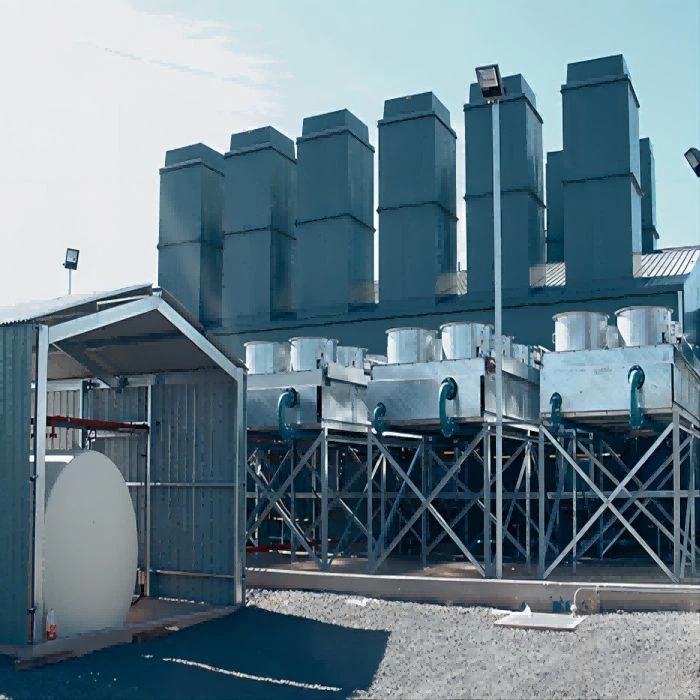
One of our flagship products is the Waste Heat Recovery System. This system is designed to capture and recover waste heat from a variety of sources, including exhaust gas, steam, and hot water, and convert it into useful energy, such as electricity, steam, or hot water. The system is highly efficient, with a recovery rate of up to 90%, and it can be customized to meet the specific needs of each application.
In addition to our WHRS, we also offer a range of other products and services, including Horizontal Remote Radiator and Cooling Towers for Diesel Generator Sets. These products are designed to enhance the performance and efficiency of industrial equipment and systems and can be used in conjunction with our WHRS to provide a comprehensive energy solution.
Conclusion
In conclusion, a Waste Heat Recovery System is a powerful tool for achieving energy independence. By capturing and reusing waste heat, WHRS can reduce energy consumption, generate renewable energy, enhance energy efficiency, and diversify energy sources. As a supplier of advanced WHRS technology, we are committed to helping businesses and communities around the world reduce their reliance on traditional energy sources and achieve greater energy independence.
If you are interested in learning more about our Waste Heat Recovery System solutions or would like to discuss how we can help you achieve your energy goals, please contact us today. We look forward to working with you to create a more sustainable and energy-independent future.
References
- U.S. Department of Energy. (n.d.). Industrial Waste Heat Recovery. Retrieved from https://www.energy.gov/eere/amo/industrial-waste-heat-recovery
- ArcelorMittal. (n.d.). Waste Heat Recovery at ArcelorMittal Belgium. Retrieved from https://www.arcelormittal.com/en/sustainability/environment/energy-efficiency/waste-heat-recovery
- SSE. (n.d.). Keadby Power Station Waste Heat Recovery Project. Retrieved from https://www.sse.com/about-us/sustainability/our-environmental-performance/energy-efficiency/keadby-power-station-waste-heat-recovery-project
- Food Processing. (n.d.). Waste Heat Recovery in the Food Processing Industry. Retrieved from https://www.foodprocessing.com/articles/2019/waste-heat-recovery-in-the-food-processing-industry


