

Hey there! As a supplier of biogas generator sets, I often get asked about how to calibrate the sensors in these machines. It's a crucial process that can significantly affect the performance and longevity of your biogas generator set. So, let's dive right into it.
Why Calibration Matters
First off, why do we need to calibrate the sensors in a biogas generator set? Well, sensors are like the eyes and ears of the generator. They monitor various parameters such as temperature, pressure, gas composition, and engine speed. If these sensors are not calibrated correctly, they can provide inaccurate readings. This, in turn, can lead to improper engine operation, reduced efficiency, and even potential damage to the generator set.
Understanding the Sensors
Before we start the calibration process, it's important to have a basic understanding of the types of sensors commonly found in biogas generator sets.
- Temperature Sensors: These sensors measure the temperature of the engine coolant, oil, and exhaust. Maintaining the right temperature is crucial for the proper functioning of the engine. If the temperature is too high or too low, it can cause engine damage or inefficient combustion.
- Pressure Sensors: Pressure sensors monitor the pressure in the fuel system, air intake, and exhaust. Correct pressure levels ensure that the engine receives the right amount of fuel and air, which is essential for optimal combustion.
- Gas Composition Sensors: Biogas is a mixture of different gases, and its composition can vary depending on the source and production process. Gas composition sensors analyze the concentration of methane, carbon dioxide, and other gases in the biogas. This information is used to adjust the engine's fuel injection system for efficient combustion.
- Engine Speed Sensors: Engine speed sensors measure the rotational speed of the engine. Maintaining a stable engine speed is necessary for the generator to produce a consistent electrical output.
Calibration Tools
To calibrate the sensors in a biogas generator set, you'll need a few tools. These include:
- Multimeter: A multimeter is used to measure voltage, current, and resistance. It's a versatile tool that can be used to check the output of the sensors and ensure they are working within the specified range.
- Pressure Gauge: A pressure gauge is used to measure the pressure in the system. It can be used to verify the accuracy of the pressure sensors.
- Thermometer: A thermometer is used to measure the temperature. It can be compared with the readings from the temperature sensors to check their accuracy.
- Gas Analyzer: A gas analyzer is used to analyze the composition of the biogas. It can be used to calibrate the gas composition sensors.
Calibration Process
1. Prepare the Generator Set
Before you start the calibration process, make sure the generator set is turned off and cooled down. This will prevent any accidents and ensure accurate readings. Also, gather all the necessary tools and documentation, such as the generator set's user manual and sensor calibration specifications.
2. Check the Sensor Connections
Inspect the connections between the sensors and the control system. Make sure they are clean, tight, and free from any damage. Loose or dirty connections can cause inaccurate sensor readings.
3. Calibrate the Temperature Sensors
- Use a thermometer to measure the actual temperature of the engine coolant, oil, and exhaust.
- Compare the thermometer readings with the readings from the temperature sensors.
- If there is a difference between the two readings, adjust the calibration of the temperature sensors using a multimeter. Follow the manufacturer's instructions for making the adjustments.
4. Calibrate the Pressure Sensors
- Use a pressure gauge to measure the actual pressure in the fuel system, air intake, and exhaust.
- Compare the pressure gauge readings with the readings from the pressure sensors.
- If there is a discrepancy, adjust the calibration of the pressure sensors using a multimeter. Again, refer to the manufacturer's instructions for the correct adjustment procedure.
5. Calibrate the Gas Composition Sensors
- Use a gas analyzer to analyze the composition of the biogas.
- Compare the gas analyzer readings with the readings from the gas composition sensors.
- Adjust the calibration of the gas composition sensors based on the results of the gas analyzer. The adjustment process may involve adjusting the sensor's settings or replacing the sensor if it is defective.
6. Calibrate the Engine Speed Sensors
- Start the generator set and let it idle.
- Use a tachometer to measure the actual engine speed.
- Compare the tachometer reading with the reading from the engine speed sensor.
- If there is a difference, adjust the calibration of the engine speed sensor using a multimeter.
Regular Maintenance and Calibration
Calibrating the sensors in a biogas generator set is not a one-time process. It's important to perform regular maintenance and calibration to ensure that the sensors continue to provide accurate readings. The frequency of calibration depends on various factors, such as the usage of the generator set, the quality of the biogas, and the manufacturer's recommendations.
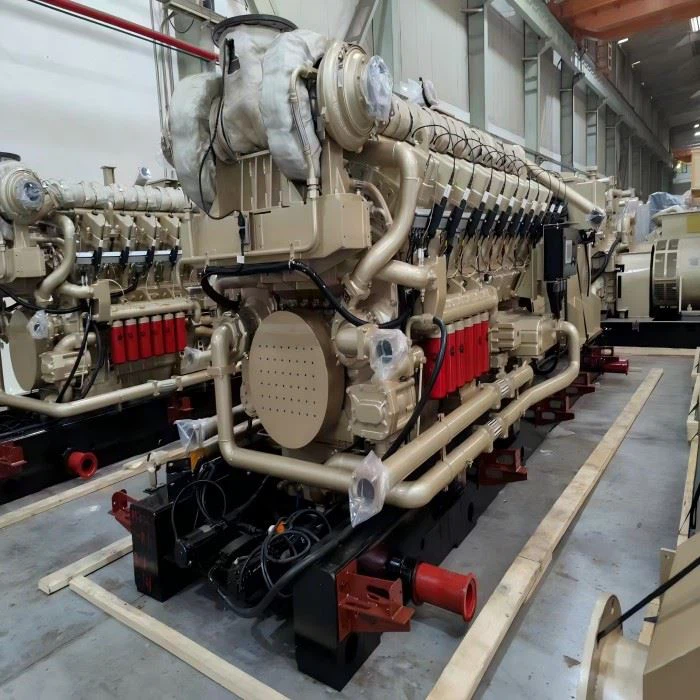
As a biogas generator set supplier, we offer a range of high-quality products, including the 600kw Biogas Generator, 1500KW Biogas Generator Set, and 700KW Biogas Generator Set. These generators are equipped with advanced sensors that are designed to provide accurate readings and ensure optimal performance.
If you're interested in purchasing a biogas generator set or have any questions about sensor calibration, feel free to reach out to us. We're here to help you make the most of your biogas energy system.

References
- "Biogas Generator Set User Manual"
- "Sensor Calibration Guidelines for Biogas Engines"
- "Biogas Production and Utilization Handbook"


