

Hey there! As a supplier of biogas generator sets, I've been through the ins and outs of transporting these hefty machines. It's not just about loading them onto a truck and sending them off; there are a ton of things to consider to make sure they arrive in tip - top shape. In this blog, I'll share with you all the steps and tips on how to transport a biogas generator set.

Pre - transport Preparation
First things first, you gotta do a thorough inspection of the biogas generator set. Check for any visible damages, loose parts, or signs of wear and tear. Make sure all the components are properly secured and fastened. You don't want anything rattling around during the journey, which could lead to more serious problems.
Next, it's crucial to drain all the fluids. This includes the fuel, coolant, and lubricants. Fluids can slosh around during transportation, causing leaks or even internal damage to the generator. After draining, seal all the fluid ports tightly to prevent any dirt or debris from getting in.
Documentation is another key aspect. You need to have all the necessary paperwork ready, such as the bill of lading, customs documents (if it's an international shipment), and product specifications. These documents will not only help in the smooth transit of the generator but also ensure compliance with all the relevant regulations.
Choosing the Right Transport Method
The size and weight of biogas generator sets can vary greatly. For smaller units, say up to a few hundred kilowatts, a standard flat - bed truck might do the trick. It's a cost - effective option and relatively easy to load and unload.
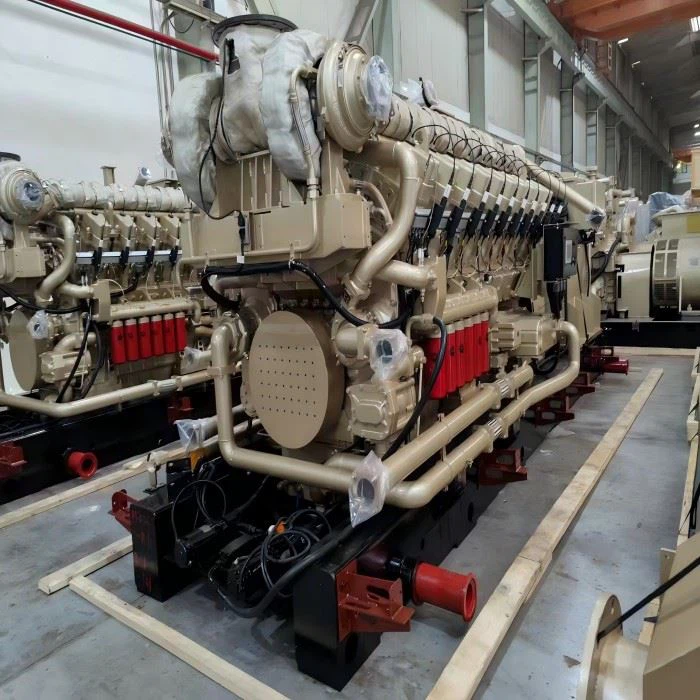
However, for larger units like the 700KW Biogas Generator Set, 1500KW Biogas Generator Set, or 1000KW Biogas Generator, you might need specialized heavy - haul transportation. These vehicles are designed to handle the massive weight and size of large generators. They come with reinforced trailers, advanced suspension systems, and often require professional drivers with special licenses.
If you're shipping overseas, you have the option of using container shipping or roll - on/roll - off (Ro - Ro) vessels. Container shipping is more secure as the generator is enclosed in a container, protecting it from the elements and potential damage during transit. Ro - Ro vessels, on the other hand, are great for easy loading and unloading, especially for large generators that can be driven onto the vessel.
Loading and Securing the Generator
Loading the biogas generator set onto the transport vehicle is a delicate process. You need to use the right equipment, such as cranes or forklifts, depending on the size and weight of the generator. Make sure the equipment is in good working condition and operated by trained personnel.
Once the generator is on the vehicle, it's time to secure it properly. Use high - quality straps, chains, and brackets to hold the generator firmly in place. Place padding between the generator and the securing equipment to prevent scratches and damage. Check the tightness of all the securing mechanisms regularly during the loading process to ensure they are holding up.
It's also a good idea to position the generator in a way that distributes the weight evenly across the transport vehicle. This will help maintain stability during transit and reduce the risk of the vehicle tipping over.
During Transport
During the journey, it's important to keep an eye on the generator set. If possible, use tracking devices to monitor its location and condition. Some advanced tracking systems can even detect vibrations, shocks, and temperature changes, which can give you an early warning if there are any issues.
For long - distance shipments, especially those involving multiple modes of transport, make sure to schedule regular stops for inspections. Check the securing mechanisms, look for any signs of damage, and ensure that the generator is still in its proper position.
If the transport is taking place in extreme weather conditions, such as heavy rain, snow, or high temperatures, take extra precautions. Cover the generator with a waterproof and weather - resistant tarp to protect it from the elements. In very hot weather, make sure the generator doesn't overheat by providing proper ventilation.
Unloading and Installation
When the biogas generator set reaches its destination, the unloading process should be just as careful as the loading. Use the same appropriate equipment and follow the same safety procedures.
After unloading, it's time for installation. Make sure to have a professional team on - site to handle the installation. They will ensure that the generator is installed correctly, connected to the appropriate power sources and gas supply, and tested thoroughly before being put into operation.
Cost Considerations
Transporting a biogas generator set can be expensive, especially for large units. The cost depends on several factors, such as the size and weight of the generator, the distance of the transport, the chosen transport method, and any additional services like insurance.
To keep the costs down, you can compare quotes from different transport companies. Look for companies that have experience in transporting biogas generator sets and offer competitive prices. Also, consider consolidating shipments if possible. If you have multiple generators going to the same or nearby locations, shipping them together can save you a significant amount of money.
Conclusion
Transporting a biogas generator set is a complex process that requires careful planning, the right equipment, and experienced personnel. By following the steps and tips I've shared in this blog, you can ensure that your biogas generator set arrives at its destination safely and in good working condition.
If you're in the market for a biogas generator set, whether it's a 700KW Biogas Generator Set, 1500KW Biogas Generator Set, or 1000KW Biogas Generator, and need more information about transport or other aspects, don't hesitate to reach out. We're here to assist you with all your biogas generator set needs and guide you through the entire process from purchase to installation.
References
- Industry best practices for heavy equipment transportation.
- Manufacturer's guidelines for biogas generator set transport.


