

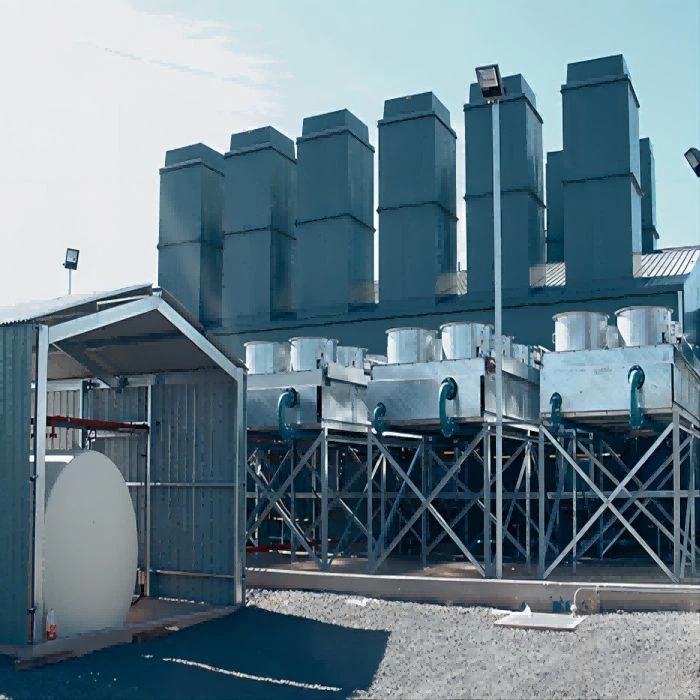
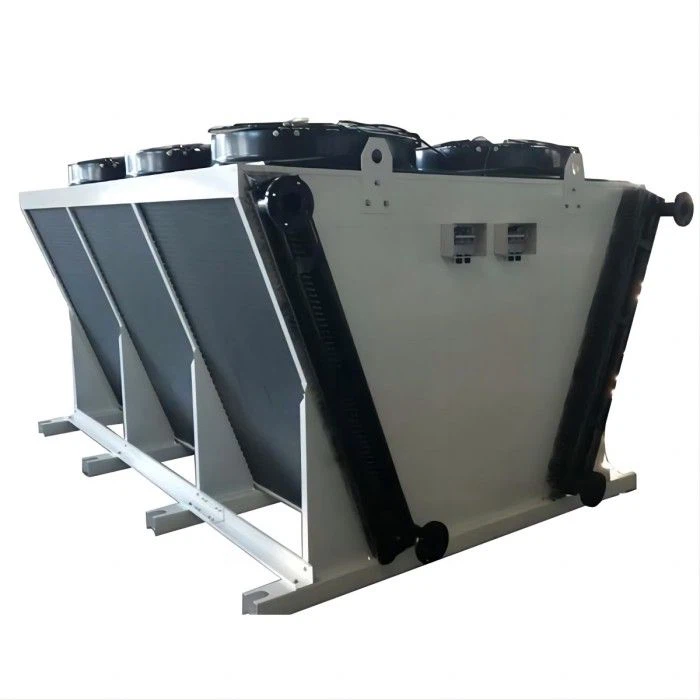
When it comes to the installation of a Horizontal Remote Radiator, one question that frequently arises is whether it is necessary to replace the coolant. As a supplier of Horizontal Remote Radiators, I have encountered this query numerous times from our clients. In this blog post, I will delve into this topic, exploring the reasons for and against coolant replacement during the installation of a Horizontal Remote Radiator, and provide some practical advice based on scientific knowledge and industry experience.
Understanding the Role of Coolant
Before we discuss whether to replace the coolant, it's essential to understand its role in a cooling system. Coolant, also known as antifreeze, serves multiple purposes. Firstly, it lowers the freezing point of the water in the cooling system, preventing it from freezing in cold temperatures. This is crucial because water expands when it freezes, which can cause damage to the engine block, radiator, and other components of the cooling system. Secondly, coolant raises the boiling point of the water, allowing the engine to operate at higher temperatures without the risk of overheating. Additionally, coolant contains additives that help prevent corrosion and rust within the cooling system, protecting the metal components from damage and ensuring the longevity of the system.
Factors to Consider When Deciding Whether to Replace the Coolant
Condition of the Existing Coolant
The first factor to consider is the condition of the existing coolant. If the coolant has been in use for a long time, it may have degraded. Over time, the additives in the coolant can break down, reducing its ability to prevent corrosion and rust. The coolant may also become contaminated with dirt, debris, and other impurities, which can clog the radiator and reduce its efficiency. If the coolant appears dirty, has a strange odor, or has a milky appearance, it is likely that it needs to be replaced.
Compatibility of the Coolant
Another important factor is the compatibility of the coolant. Different types of engines and cooling systems may require different types of coolant. For example, some engines may require a coolant with a specific ethylene glycol or propylene glycol concentration, while others may require a coolant with certain additives. When installing a Horizontal Remote Radiator, it is crucial to ensure that the existing coolant is compatible with the new radiator and the engine. If the coolant is not compatible, it can cause problems such as corrosion, reduced cooling efficiency, and even engine damage.
Age and Mileage of the Vehicle
The age and mileage of the vehicle can also influence the decision to replace the coolant. As a general rule, coolant should be replaced every 2 - 5 years or every 30,000 - 50,000 miles, depending on the vehicle manufacturer's recommendations. If the vehicle is approaching or has exceeded these intervals, it is advisable to replace the coolant when installing a Horizontal Remote Radiator.
Advantages of Replacing the Coolant
Improved Cooling Efficiency
Replacing the coolant can significantly improve the cooling efficiency of the system. Fresh coolant has better heat transfer properties, allowing it to absorb and dissipate heat more effectively. This can help prevent the engine from overheating, especially in high - stress situations such as towing, driving in hot weather, or heavy traffic.
Prevention of Corrosion and Rust
New coolant contains fresh additives that can help prevent corrosion and rust within the cooling system. By replacing the coolant, you can protect the metal components of the radiator, engine block, and other parts of the cooling system from damage, extending their lifespan and reducing the risk of costly repairs.
Compatibility with the New Radiator
Using fresh, compatible coolant ensures that the new Horizontal Remote Radiator operates at its optimal performance. The new coolant will work in harmony with the radiator, providing efficient cooling and preventing any potential issues caused by coolant incompatibility.
Disadvantages of Replacing the Coolant
Cost
One of the main disadvantages of replacing the coolant is the cost. Coolant can be relatively expensive, especially if you are using a high - quality, specialized coolant. Additionally, there may be labor costs associated with draining, flushing, and refilling the cooling system.
Environmental Impact
Disposing of old coolant can have an environmental impact. Coolant contains chemicals such as ethylene glycol, which is toxic to humans and animals. It is important to dispose of the old coolant properly at a designated recycling facility to prevent pollution.
Practical Advice
Inspect the Coolant
Before installing a Horizontal Remote Radiator, it is recommended to have the coolant inspected by a professional mechanic. The mechanic can check the condition of the coolant, including its pH level, concentration, and the presence of any contaminants. Based on the inspection results, the mechanic can advise whether the coolant needs to be replaced.
Follow the Manufacturer's Recommendations
Always follow the vehicle manufacturer's recommendations regarding coolant replacement intervals and the type of coolant to use. The manufacturer's guidelines are based on extensive testing and research, ensuring the optimal performance and longevity of the engine and cooling system.
Flush the Cooling System
If you decide to replace the coolant, it is advisable to flush the cooling system thoroughly. Flushing the system will remove any dirt, debris, and old coolant from the radiator, engine block, and other components of the cooling system. This will ensure that the new coolant can circulate freely and provide efficient cooling.
Conclusion
In conclusion, whether it is necessary to replace the coolant when installing a Horizontal Remote Radiator depends on several factors, including the condition of the existing coolant, its compatibility with the new radiator and engine, and the age and mileage of the vehicle. While there are advantages to replacing the coolant, such as improved cooling efficiency and prevention of corrosion, there are also some disadvantages, such as cost and environmental impact. It is important to carefully consider these factors and make an informed decision.
As a supplier of Horizontal Remote Radiators, we are committed to providing our customers with high - quality products and professional advice. If you have any questions about installing a Horizontal Remote Radiator or coolant replacement, please do not hesitate to contact us. We can help you determine the best course of action based on your specific needs and circumstances. Our team of experts is always ready to assist you in ensuring the optimal performance of your cooling system. Whether you are in the market for a new Horizontal Remote Radiator or need advice on coolant replacement, we invite you to engage with us for procurement discussions. We look forward to serving you and helping you find the best solutions for your power generation and cooling needs.
References
- "Coolant Basics: Everything You Need to Know." Car and Driver.
- "How to Check and Change Your Coolant." Popular Mechanics.
- Manufacturer's manuals for various vehicles and Horizontal Remote Radiators.


