

Hey there! I'm a supplier of Horizontal Remote Radiators, and I know these products inside out. While Horizontal Remote Radiators have their fair share of advantages, it's only fair to talk about the disadvantages too. That way, you can make an informed decision when considering them for your needs.
Space Requirements
One of the first things you'll notice about Horizontal Remote Radiators is their space requirements. These radiators are designed to be placed horizontally, which means they need a relatively large footprint. Unlike vertical radiators that can be mounted on walls and take up less floor space, horizontal ones need a flat, open area.
If you're working in a tight space, like a small generator room or a cramped industrial setting, fitting a Horizontal Remote Radiator can be a real challenge. You might have to rearrange your equipment or even modify the layout of the room to accommodate it. This can lead to additional costs and time spent on installation. And let's not forget that in some cases, there might just not be enough space at all, making the Horizontal Remote Radiator an impractical choice.
Installation Complexity
Installing a Horizontal Remote Radiator isn't a walk in the park. It's more complex compared to some other types of radiators. You need to ensure that the radiator is level and properly aligned. Any misalignment can lead to uneven cooling and potentially damage the radiator over time.
The piping and connections for a Horizontal Remote Radiator also require careful planning. You have to make sure that the coolant flows smoothly through the system, and that there are no kinks or blockages in the pipes. This often involves hiring a professional installer, which adds to the overall cost. And if the installation isn't done correctly, you could end up with leaks, reduced efficiency, or even system failures.
Maintenance Challenges
Maintenance is another area where Horizontal Remote Radiators can be a bit of a headache. Since they are horizontal, debris and dirt can easily accumulate on the top surface. This can block the airflow through the radiator fins, reducing its cooling efficiency. Regular cleaning is essential, but it can be difficult to reach all the areas, especially if the radiator is installed in a hard - to - access location.
The coolant in the radiator also needs to be checked and replaced regularly. With a horizontal design, draining the coolant can be more complicated than with a vertical radiator. You might need to use special tools or techniques to ensure that all the coolant is removed, and then refill it properly. This not only takes more time but also requires a certain level of expertise.
Cost
Let's talk about money. Horizontal Remote Radiators can be more expensive than some other types of radiators. The initial purchase price is often higher due to their design and the technology involved. On top of that, as we've already discussed, the installation and maintenance costs can add up.
The cost of the coolant and other consumables for a Horizontal Remote Radiator can also be significant over time. And if there are any issues with the radiator, repairs can be costly. You might need to replace parts that are specific to the horizontal design, which can be more expensive than generic parts for other radiators.
Limited Compatibility
Horizontal Remote Radiators might not be compatible with all types of systems. They are often designed for specific applications, such as certain types of generators. If you have a unique or non - standard system, finding a Horizontal Remote Radiator that fits your needs can be a challenge.

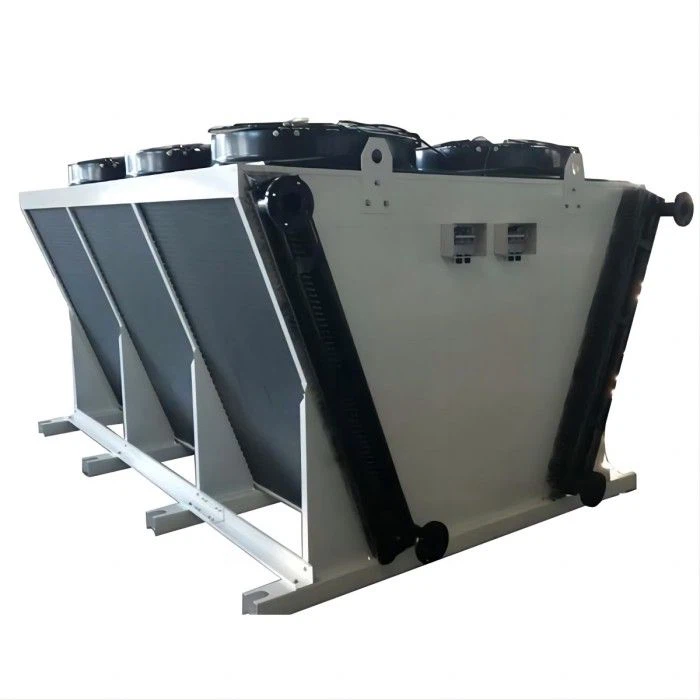
Even if you do find a radiator that seems to fit, there might be compatibility issues with the existing piping, controls, or other components in your system. This can lead to additional modifications and costs to make everything work together properly.
Potential for Air Pockets
In a Horizontal Remote Radiator system, there's a greater potential for air pockets to form. Air pockets can disrupt the flow of coolant through the radiator, reducing its cooling efficiency. They can also cause corrosion and damage to the internal components of the radiator over time.
Getting rid of air pockets can be a tricky process. You might need to use bleeding valves or other methods to release the trapped air. And if you don't address the air pockets promptly, they can lead to more serious problems down the line.
Noise
Horizontal Remote Radiators can sometimes be noisier than other types of radiators. The fans and pumps used to circulate the coolant and air can generate a significant amount of noise. This can be a problem in environments where noise levels need to be kept low, such as hospitals, schools, or residential areas.
Reducing the noise from a Horizontal Remote Radiator might require additional sound - proofing measures, which again add to the cost and complexity of the installation.
Dependence on External Factors
These radiators are highly dependent on external factors such as ambient temperature and humidity. In hot and humid conditions, the cooling efficiency of a Horizontal Remote Radiator can be significantly reduced. The radiator might struggle to dissipate the heat effectively, especially if the outside air is already warm and moist.
This means that in areas with extreme climates, you might need to take additional steps to ensure that the radiator works properly. You could need to install additional cooling equipment or modify the operating conditions, which can be expensive and time - consuming.
Limited Customization
When it comes to customization, Horizontal Remote Radiators have their limitations. While some manufacturers might offer a certain degree of customization, it's often not as extensive as with other types of radiators. You might be restricted in terms of size, shape, and the number of fins or tubes.
This can be a problem if you have unique requirements for your application. You might not be able to get a radiator that perfectly fits your specific needs, which could lead to a less - than - optimal cooling solution.
Despite these disadvantages, Horizontal Remote Radiators still have their place in many applications. They are often used in Waste Heat Recovery System and Remote Monitoring for Generator Sets. If you want to learn more about Horizontal Remote Radiators, you can check out our website Horizontal Remote Radiator.
If you're still interested in exploring whether a Horizontal Remote Radiator is the right choice for you, I'd love to have a chat. Feel free to reach out and we can discuss your specific needs and see if we can find a solution that works for you. Whether it's finding ways to mitigate the disadvantages or choosing the best radiator for your situation, I'm here to help.
References
- Industry research on radiator design and performance
- Manufacturer specifications for Horizontal Remote Radiators
- Case studies on the installation and maintenance of Horizontal Remote Radiators


