

Hey there! As a supplier of sewage treatment equipment, I've seen firsthand how corrosion can really mess things up. It's not just an aesthetic issue; corrosion can seriously impact the performance and lifespan of our equipment. So, I thought I'd share some measures we can take to prevent corrosion in sewage treatment equipment.
Understanding the Corrosion Process in Sewage Treatment
Before we dive into the prevention measures, it's important to understand why corrosion happens in sewage treatment plants. Sewage contains all sorts of nasty stuff like acids, alkalis, salts, and microorganisms. These substances can react with the materials of the equipment, leading to corrosion.
The most common types of corrosion in sewage treatment include chemical corrosion, where the chemicals in the sewage directly react with the metal, and electrochemical corrosion, which occurs when there's a difference in electrical potential between different parts of the metal in contact with an electrolyte (the sewage, in this case). Plus, the presence of microorganisms can also accelerate corrosion through a process called microbial - induced corrosion.
Coating the Equipment
One of the most straightforward ways to prevent corrosion is by applying coatings to the equipment. Coatings act as a barrier between the metal surface and the corrosive environment in the sewage.
There are different types of coatings available. Epoxy coatings are quite popular. They're tough, durable, and can bond well to metal surfaces. Epoxy coatings can resist a wide range of chemicals in sewage, making them a great choice for many parts of the sewage treatment equipment. Another option is polyurethane coatings. These coatings are known for their good flexibility and resistance to abrasion. They can withstand the constant movement and rubbing that might occur in some equipment.
But it's not just about slapping on any old coating. The surface of the equipment needs to be properly prepared before coating. This usually involves cleaning the surface to remove any dirt, rust, or grease. Sometimes, a process called abrasive blasting is used to create a rough surface for better coating adhesion. And of course, regular inspections of the coatings are necessary to make sure they're still intact. If there are any scratches or areas where the coating has worn off, they need to be repaired promptly to prevent corrosion from starting.
Choosing the Right Materials
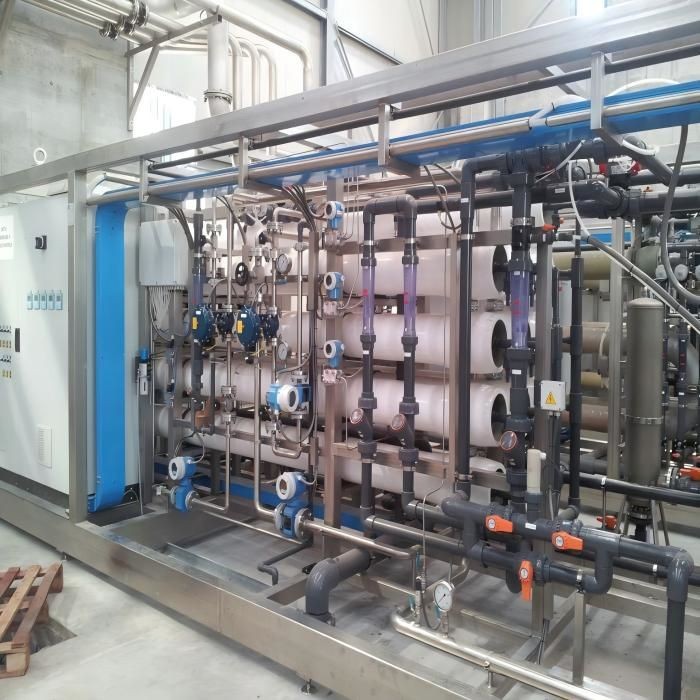
Selecting the right materials for sewage treatment equipment is crucial. Stainless steel is a top - notch choice. It contains chromium, which forms a thin, passive layer on the surface of the metal. This layer protects the steel from further corrosion. Different grades of stainless steel are available, and the choice depends on the specific conditions in the sewage treatment plant. For example, in areas with high chloride levels, a higher - grade stainless steel might be needed to prevent pitting corrosion.
Another option is fiberglass - reinforced plastic (FRP). FRP is lightweight, corrosion - resistant, and has good mechanical properties. It can be used for tanks, pipes, and other components in the sewage treatment system. The advantage of FRP is that it doesn't corrode like metal, and it can be molded into different shapes easily.
Cathodic Protection
Cathodic protection is an electrochemical method to prevent corrosion. There are two main types: sacrificial anode cathodic protection and impressed current cathodic protection.
In sacrificial anode cathodic protection, a more active metal (like zinc or magnesium) is attached to the metal equipment. The active metal corrodes instead of the equipment, sacrificing itself to protect the main structure. This method is relatively simple and cost - effective for smaller equipment or areas with low corrosion rates.
Impressed current cathodic protection, on the other hand, involves using an external power source to force a current through the metal equipment. This counteracts the natural corrosion current and keeps the metal in a non - corrosive state. This method is suitable for larger structures or areas with high corrosion rates. However, it requires more maintenance and monitoring to ensure the proper functioning of the power source and the distribution of the current.
Regular Maintenance and Inspection
You can't just install the equipment and forget about it. Regular maintenance and inspection are key to preventing corrosion. At least once a month, a visual inspection should be carried out. Check for any signs of rust, scaling, or coating damage. Look for water leaks as well, because they can create a moist environment that promotes corrosion.
It's also a good idea to conduct more in - depth inspections every few years. This might involve using non - destructive testing techniques like ultrasonic testing to check for internal corrosion in pipes and tanks. If any problems are detected, they should be addressed immediately. This could mean replacing corroded parts, repairing coatings, or adjusting the cathodic protection system.
Proper Operational Management
The way we operate the sewage treatment equipment can also affect corrosion. For example, maintaining the right pH level in the sewage is important. Many corrosive reactions are pH - dependent. If the sewage is too acidic or too alkaline, it can increase the corrosion rate. So, we need to monitor and adjust the pH as necessary.
Another aspect is flow control. High - velocity flows can cause erosion - corrosion, where the flow of the sewage wears away the protective layers on the equipment. By controlling the flow rate and minimizing turbulence, we can reduce the risk of this type of corrosion.
Using Biogas Sewage Treatment and Ancillary Equipment for Biomass Gasification
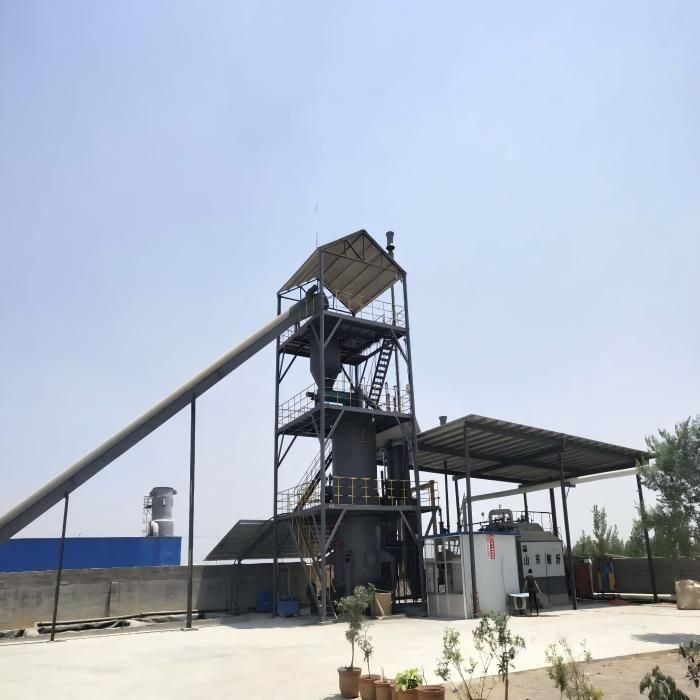
Investing in advanced technologies can also help with corrosion prevention. Biogas Sewage Treatment systems can transform some of the organic matter in the sewage into biogas, which not only reduces the load on the equipment but also changes the chemical composition of the sewage, potentially reducing its corrosiveness.
Similarly, Ancillary Equipment for Biomass Gasification can be used in some sewage treatment processes. These equipment can help in better utilization of the biomass in the sewage, and in the process, they can also contribute to a more stable and less corrosive environment for the other equipment.
Conclusion and Call to Action
Preventing corrosion in sewage treatment equipment is a multi - faceted task. It requires a combination of proper material selection, coating application, cathodic protection, regular maintenance, and good operational management. By taking these measures, we can ensure that our equipment lasts longer, performs better, and saves us a lot of money in the long run.
If you're in the market for high - quality sewage treatment equipment or need advice on corrosion prevention, don't hesitate to reach out. We're here to help you find the best solutions for your sewage treatment needs. Let's work together to build a more efficient and corrosion - free sewage treatment system.
References
- Jones, D. A. (1996). Principles and Prevention of Corrosion. Prentice Hall.
- Uhlig, H. H., & Revie, R. W. (1985). Corrosion and Corrosion Control: An Introduction to Corrosion Science and Engineering. Wiley.


