Products


Biogas Sewage Treatment
Description
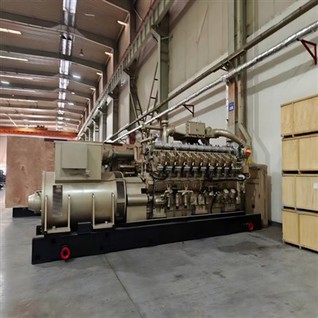
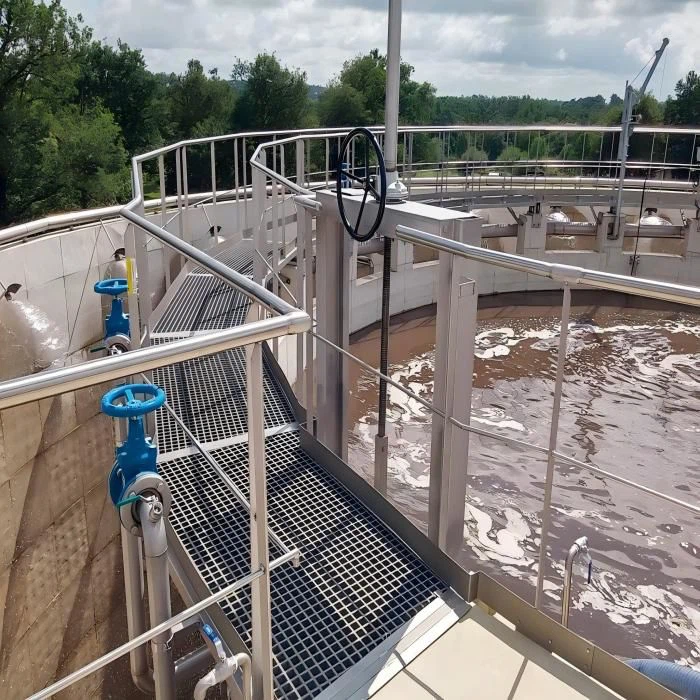
Biogas Sewage Treatment is an efficient sewage treatment technology. This technology converts sewage and organic waste into biogas through anaerobic fermentation and purifies sewage at the same time. The biogas sewage treatment system mainly consists of an anaerobic reactor, a biogas collection device, a liquid fertilizer storage tank and a biogas utilization system. The anaerobic reactor is the core of the system and is made of special materials (such as glass fiber reinforced plastic). Sewage and organic waste undergo anaerobic decomposition by microorganisms in the reactor to produce biogas and stable liquid fertilizer. After being collected, biogas can be used as a clean energy source to replace natural gas or coal for power generation, heating and steam consumption, etc.; while liquid fertilizer is rich in nutrients and is suitable for gardening and agricultural irrigation.
Features
Efficient organic matter degradation ability
Biogas Sewage Treatment can convert organic matter in sewage into biogas and sludge through anaerobic fermentation technology. According to the temperature, pH value and organic load control optimized according to industry standards, efficient degradation of organic matter can be achieved. In the anaerobic fermentation stage of the system, the degradation rate of organic matter can reach more than 85% through regulated treatment conditions. In a typical sewage treatment process, the removal rate of organic matter is often maintained between 70% and 85%, which reflects the efficiency and stability of the system under optimized treatment conditions.
Sustainable energy recovery
The system can not only treat sewage, but also recycle biogas into clean energy. During operation, the generated biogas can be converted into electricity through a biogas generator set, and even used for heating. Under ideal conditions, the biogas utilization efficiency of the biomass gas generator set is as high as 92% or more, which can ensure the energy self-sufficiency of the system and reduce dependence on external energy.
Efficient sludge resource treatment
In the Biogas sewage treatment process, the sludge is dehydrated, the moisture content is greatly reduced, the volume is compressed, and it can be used as organic fertilizer in agriculture. The moisture content of the sludge treated by the dehydration equipment can be reduced to less than 60%, which is more than 50% less than before treatment. Dehydrated sludge can reduce processing and transportation costs by up to 40%, and these resource sludge can provide valuable organic components for the soil.
Powerful pollutant removal capability
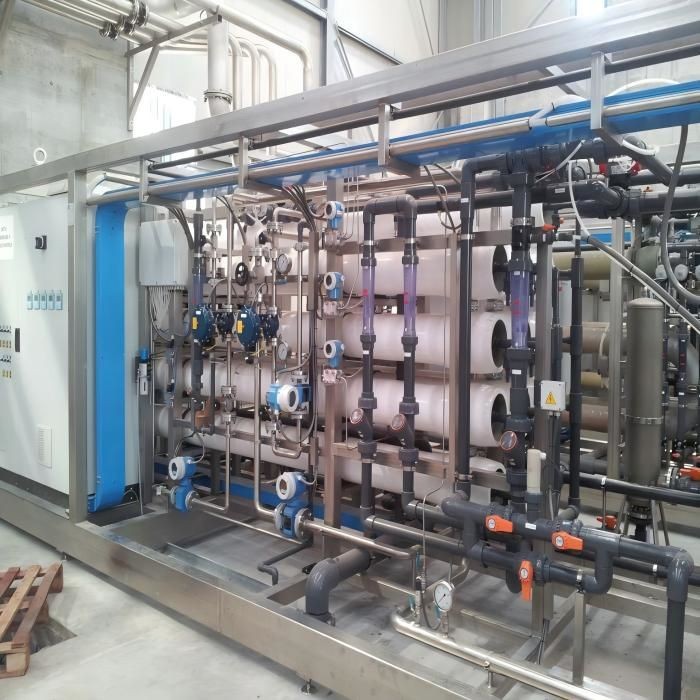
During the biogas collection and purification process, the system uses adsorption, absorption and membrane separation technologies to remove harmful substances such as hydrogen sulfide and carbon dioxide. The sulfide content of the purified biogas can be controlled below 200mg/Nm³, and the carbon dioxide content is reduced to about 10%, which enables the purified biogas to meet the operating requirements of the generator set. After multiple purifications, the purity of the biogas can reach more than 98%, which greatly improves the combustion efficiency and power generation efficiency of the biogas.

FAQ
Q: How does the Biogas sewage treatment system work?
A: The Biogas sewage treatment system converts organic matter in sewage into biogas through a series of anaerobic fermentation, biogas collection and purification processes, and produces dehydrated sludge at the same time. Specifically, it includes four main stages: raw material pretreatment, anaerobic fermentation, biogas collection and purification, and sludge resource utilization, and ultimately achieves the dual goals of sewage treatment and energy recovery.
Q: How is the processing capacity of the system measured?
A: The processing capacity of the Biogas sewage treatment system is usually measured by the amount of sewage treated per day. The system can customize the processing capacity of different scales according to customer needs, from small sewage treatment to large industrial sewage treatment. Generally speaking, the processing capacity ranges from 50 tons/day to thousands of tons/day.
Q: How efficient is biogas power generation?
A: The purified biogas has high combustion efficiency, and the biogas generator set can usually achieve an energy utilization efficiency of more than 92%. The system can use the generated biogas for power generation or heating, ensuring efficient energy recovery and reducing operating costs.
Q: Is regular maintenance required? How difficult is maintenance?
A: The design of the Biogas sewage treatment system focuses on high reliability and low maintenance requirements. The equipment operates stably, and the failure rate is usually less than 1%. The intelligent control of the system greatly reduces manual intervention, and the service life of the equipment can reach more than 10 years. Therefore, regular maintenance is mainly focused on daily management such as equipment inspection and cleaning, and the maintenance difficulty is relatively low.
Q: Can the system treat high-concentration sewage?
A: The Biogas sewage treatment system can treat sewage of different concentrations, especially for sewage with high organic content. By adjusting the parameters such as temperature, pH value and organic load of anaerobic fermentation, high-concentration industrial sewage or domestic sewage can be effectively treated to ensure the stable operation of the system.
Q: How to ensure the purity of biogas?
A: The system uses multiple purification technologies such as adsorption, absorption and membrane separation to remove harmful substances such as hydrosulfide and carbon dioxide from biogas. The purity of purified biogas can reach more than 98%, which fully meets the use requirements of the generator set and ensures the efficient use of biogas.
Q: How is biogas stored and transported?
A: The system is equipped with special biogas collection and storage equipment. Common gas storage methods include airbag-type gas storage tanks and gas storage tanks. Biogas is transported to the gas storage device through a pipeline, and a certain pressure is maintained during storage so that it can be supplied to the generator set or other equipment when needed.
Q: How effective is sludge treatment?
A: After dehydration, the sludge generated by the Biogas sewage treatment system can be reduced to less than 60% in moisture content and more than 50% in volume. The dehydrated sludge can be used as an organic fertilizer or soil conditioner for resource utilization, further improving the economic and environmental benefits of sewage treatment.
Q: Is the energy consumption of the system high?
A: The energy consumption of the Biogas sewage treatment system is relatively low. Most of the biogas generated can be self-supplied for power generation to meet the energy needs within the system. The system is designed with full consideration of the possibility of energy self-sufficiency, ensuring low energy consumption and reducing dependence on external electricity.
Q: What scenarios is the system suitable for?
A: The Biogas sewage treatment system is widely used in various types of organic wastewater treatment, including urban sewage treatment plants, food processing plants, livestock and poultry breeding wastewater, paper industry wastewater, etc. Whether it is urban sewage treatment or industrial wastewater treatment, the system can provide efficient and environmentally friendly solutions.
Hot Tags: biogas sewage treatment, China biogas sewage treatment manufacturers, suppliers, factory, wastewater oxidation equipment, sewage vacuum filter equipment, sewage microfiltration equipment, sewage catch basin equipment, wastewater recycling equipment, sewage cap equipment