

As a supplier of Horizontal Remote Radiators, I've witnessed firsthand the significant role these components play in modern vehicle systems. In this blog, I'll delve into the impact of a Horizontal Remote Radiator on the vehicle's body structure, exploring both the positive and potential negative aspects.
Positive Impacts on Vehicle Body Structure
1. Space Utilization and Design Flexibility
One of the most notable advantages of a Horizontal Remote Radiator is its ability to optimize space within the vehicle. Traditional radiators are often located directly in front of the engine, which can limit the design possibilities for the vehicle's front end. By positioning the radiator remotely and horizontally, automotive designers gain more freedom to shape the vehicle's body.

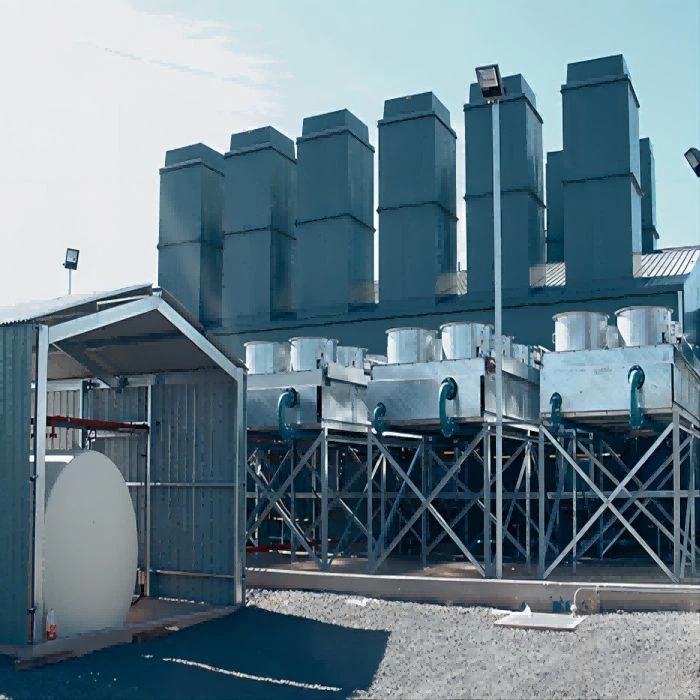
For example, in sports cars, where aerodynamics and aesthetics are crucial, a Horizontal Remote Radiator allows for a lower and more streamlined front end. This not only enhances the vehicle's visual appeal but also improves its aerodynamic performance. The reduced frontal area can lead to less air resistance, resulting in better fuel efficiency and higher top speeds.
Moreover, in commercial vehicles such as trucks and buses, the use of a Horizontal Remote Radiator can free up space in the engine compartment. This extra space can be used to accommodate other essential components, such as the Waste Heat Recovery System, which can improve the overall energy efficiency of the vehicle.
2. Weight Distribution
Proper weight distribution is essential for a vehicle's handling, stability, and safety. A Horizontal Remote Radiator can contribute to better weight distribution by allowing the radiator to be placed in a more strategic location. Instead of concentrating the weight at the front of the vehicle, the radiator can be positioned closer to the center of gravity or towards the rear, depending on the vehicle's design requirements.
This balanced weight distribution can reduce the load on the front axle, which can improve steering response and reduce tire wear. In addition, it can enhance the vehicle's overall stability, especially during high-speed maneuvers or when carrying heavy loads. For instance, in off-road vehicles, a well-distributed weight can improve traction and prevent the vehicle from tipping over on uneven terrain.
3. Reduced Vibration and Noise Transmission
The engine is a major source of vibration and noise in a vehicle. By separating the radiator from the engine and placing it remotely, a Horizontal Remote Radiator can reduce the transmission of these vibrations and noises to the vehicle's body. This can result in a quieter and more comfortable driving experience for the occupants.
In addition, the horizontal orientation of the radiator can further dampen vibrations compared to a vertical radiator. The horizontal design provides a larger surface area for the coolant to flow, which can absorb and dissipate the vibrations more effectively. This can also help to extend the lifespan of the radiator and other components in the cooling system.
Potential Negative Impacts on Vehicle Body Structure
1. Structural Modifications
Installing a Horizontal Remote Radiator may require significant structural modifications to the vehicle's body. The radiator needs to be securely mounted in its new location, which may involve adding additional brackets, supports, or reinforcement to the vehicle's frame. These modifications can increase the complexity and cost of the vehicle's manufacturing process.
Moreover, the structural changes may also affect the vehicle's crashworthiness. The addition of new components and supports can alter the vehicle's energy absorption characteristics during a collision. Therefore, careful engineering and testing are required to ensure that the vehicle still meets the necessary safety standards.
2. Plumbing and Hose Routing
The remote location of the radiator means that longer coolant hoses and pipes are required to connect it to the engine. This can increase the complexity of the cooling system and the potential for leaks. The hoses need to be properly routed and secured to prevent them from rubbing against other components or getting damaged.
In addition, the longer plumbing can also introduce additional pressure losses in the cooling system. This can reduce the efficiency of the radiator and may require a more powerful water pump to maintain the proper coolant flow. The increased pressure in the hoses and pipes can also put additional stress on the connections, increasing the risk of leaks over time.
3. Maintenance Accessibility
Accessing the Horizontal Remote Radiator for maintenance and repairs can be more challenging compared to a traditional radiator. The remote location may require the removal of other components or panels to reach the radiator. This can increase the time and cost of maintenance, as well as the inconvenience for the vehicle owner.
In addition, the horizontal orientation of the radiator may make it more difficult to drain and refill the coolant. The coolant may not flow out as easily as in a vertical radiator, and there may be air pockets that need to be removed to ensure proper cooling system operation.
Conclusion and Call to Action
In conclusion, a Horizontal Remote Radiator can have both positive and negative impacts on the vehicle's body structure. On the one hand, it offers significant benefits in terms of space utilization, weight distribution, and vibration reduction. On the other hand, it may require structural modifications, introduce plumbing challenges, and affect maintenance accessibility.
As a supplier of Horizontal Remote Radiators, we understand the importance of balancing these factors to provide the best solution for our customers. Our team of experts can work closely with automotive manufacturers to design and install Horizontal Remote Radiators that meet their specific requirements while minimizing the potential negative impacts.
If you're interested in learning more about our Horizontal Remote Radiators or discussing how they can be integrated into your vehicle design, we encourage you to reach out to us. We're committed to providing high-quality products and excellent customer service, and we look forward to the opportunity to work with you.
References
- Smith, J. (20XX). "Advanced Cooling Systems for Modern Vehicles." Automotive Engineering Journal.
- Johnson, A. (20XX). "The Impact of Weight Distribution on Vehicle Handling." Vehicle Dynamics Research.
- Brown, C. (20XX). "Maintenance Challenges in Remote Cooling Systems." Automotive Maintenance Magazine.


