

Hey there! As a supplier of Horizontal Remote Radiators, I've been getting a lot of questions lately about how these rads impact a vehicle's electrical system. So, I thought I'd sit down and share some insights on this topic.
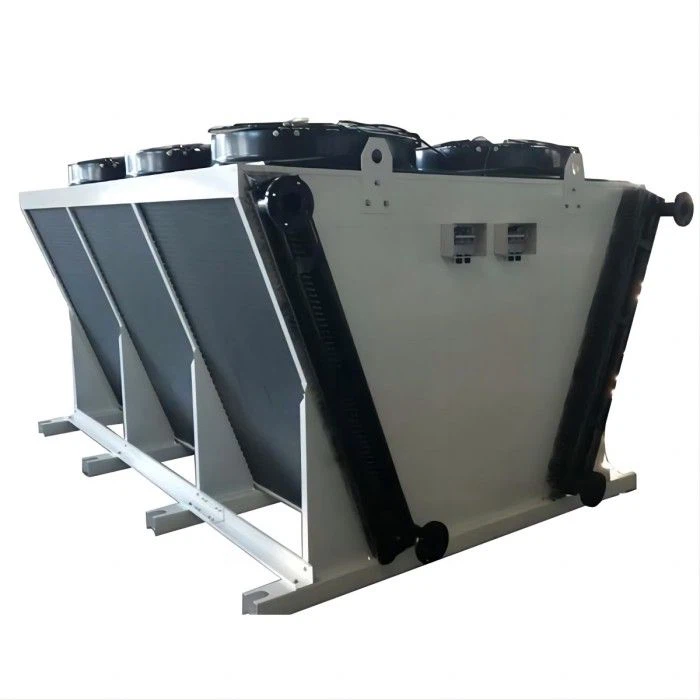
First off, let's talk about what a Horizontal Remote Radiator is. It's a type of radiator that's installed away from the engine, usually in a horizontal position. This setup offers several advantages, like better airflow and more flexibility in terms of installation. You can learn more about it Horizontal Remote Radiator.
Now, onto the main question: What's the impact on the vehicle's electrical system? Well, the most direct way a Horizontal Remote Radiator affects the electrical system is through the cooling fan. The fan is responsible for pulling air through the radiator to cool the coolant, and it's powered by the vehicle's electrical system.
When the engine is running, the thermostat monitors the coolant temperature. Once the temperature reaches a certain point, the thermostat sends a signal to the fan relay, which then activates the fan. This process requires a certain amount of electrical power.
In most cases, the electrical load of the fan is relatively small compared to other components in the vehicle, like the starter motor or the headlights. However, if the fan motor is faulty or if there's a problem with the fan relay, it can cause an increased electrical draw. This can lead to issues like a drained battery or a blown fuse.
Another thing to consider is the impact of the radiator on the alternator. The alternator is responsible for charging the battery and powering the electrical system while the engine is running. If the radiator isn't working efficiently, the engine may run hotter than normal. This can put additional stress on the alternator, as it has to work harder to power the cooling fan and other electrical components.
Over time, this increased stress can lead to premature wear and tear on the alternator. In some cases, it may even cause the alternator to fail. So, it's important to make sure that the Horizontal Remote Radiator is properly maintained and functioning correctly.
Now, let's talk about some of the benefits of using a Horizontal Remote Radiator in terms of the electrical system. One of the main advantages is that it can help reduce the overall electrical load on the vehicle. By having a more efficient cooling system, the engine can run at a lower temperature, which means the cooling fan doesn't have to work as hard.
This not only saves electrical power but also helps improve the fuel efficiency of the vehicle. Additionally, a well-designed Horizontal Remote Radiator can help improve the airflow around the engine compartment, which can further reduce the temperature and improve the performance of the electrical system.
In addition to the cooling fan, there are other components in the vehicle's electrical system that can be affected by the radiator. For example, the sensors that monitor the coolant temperature are connected to the engine control unit (ECU). If the radiator isn't working properly, it can cause inaccurate temperature readings, which can lead to problems with the engine's performance.
Furthermore, the electrical wiring that connects the fan, the relay, and the sensors can be exposed to high temperatures and vibrations in the engine compartment. Over time, this can cause the wiring to degrade, which can lead to electrical shorts or other issues.
To prevent these problems, it's important to regularly inspect the electrical components of the Horizontal Remote Radiator system. This includes checking the fan motor, the relay, the sensors, and the wiring for any signs of damage or wear. If any issues are found, they should be repaired or replaced as soon as possible.
Another aspect to consider is the impact of the Horizontal Remote Radiator on the vehicle's waste heat recovery system. A waste heat recovery system is designed to capture and reuse the heat that's generated by the engine. This can help improve the overall efficiency of the vehicle and reduce emissions. You can find more information about it Waste Heat Recovery System.
A Horizontal Remote Radiator can play a role in the waste heat recovery system by helping to regulate the coolant temperature. By keeping the engine running at an optimal temperature, the waste heat recovery system can operate more efficiently.
Finally, let's talk about the importance of proper installation and maintenance of the Horizontal Remote Radiator. If the radiator isn't installed correctly, it can cause a number of problems, including poor cooling performance and increased electrical load.
When installing a Horizontal Remote Radiator, it's important to follow the manufacturer's instructions carefully. This includes making sure that the radiator is properly mounted, the hoses are correctly connected, and the electrical wiring is secured.
Regular maintenance is also crucial. This includes checking the coolant level, inspecting the hoses for leaks, and cleaning the radiator fins. By keeping the radiator in good condition, you can ensure that it continues to operate efficiently and doesn't cause any problems with the vehicle's electrical system.
In conclusion, a Horizontal Remote Radiator can have both positive and negative impacts on a vehicle's electrical system. While it can help reduce the overall electrical load and improve the fuel efficiency of the vehicle, it can also cause problems if it isn't working properly.
By understanding how the radiator affects the electrical system and taking the necessary steps to maintain it, you can ensure that your vehicle runs smoothly and efficiently. If you have any questions or if you're interested in purchasing a Horizontal Remote Radiator, feel free to reach out. We'd be happy to help you find the right solution for your vehicle.
If you're also in the market for cooling towers for diesel generator sets, you can check out Cooling Towers for Diesel Generator Sets.
References:

- Automotive Electrical Systems Handbook
- Cooling System Design and Analysis Guide


