

In the pursuit of sustainable and efficient energy management, waste heat recovery systems (WHRS) have emerged as a crucial solution. These systems capture and reuse heat that would otherwise be wasted, thereby improving overall energy efficiency and reducing environmental impact. At the heart of many WHRS lies the heat exchanger, a device that transfers heat between two or more fluids. As a leading supplier of waste heat recovery systems, I have witnessed firsthand the transformative role of heat exchangers in these systems. In this blog post, I will delve into the various functions and significance of heat exchangers in a waste heat recovery system.
1. Basic Principles of Heat Exchangers
Before exploring their role in WHRS, it is essential to understand the basic principles of heat exchangers. A heat exchanger operates on the principle of thermal conduction and convection. It consists of two or more fluid paths separated by a solid wall. Heat is transferred from the hot fluid to the cold fluid through this wall, without the fluids mixing. The efficiency of a heat exchanger depends on several factors, including the surface area available for heat transfer, the temperature difference between the fluids, and the thermal conductivity of the wall material.
There are several types of heat exchangers, each with its own advantages and applications. Some common types include shell-and-tube heat exchangers, plate heat exchangers, and finned-tube heat exchangers. Shell-and-tube heat exchangers are widely used in industrial applications due to their robustness and ability to handle high pressures and temperatures. Plate heat exchangers, on the other hand, offer high heat transfer efficiency and compact design, making them suitable for applications where space is limited. Finned-tube heat exchangers are often used in air-cooled systems to increase the surface area for heat transfer.
2. Heat Recovery in Waste Heat Recovery Systems
In a waste heat recovery system, heat exchangers play a central role in capturing and transferring waste heat. Waste heat can be generated from various sources, such as industrial processes, power generation, and transportation. By using heat exchangers, this waste heat can be recovered and used for other purposes, such as preheating feedwater, generating steam, or providing space heating.
One of the primary functions of heat exchangers in a WHRS is to transfer heat from the waste heat source to a working fluid. For example, in an industrial process where hot exhaust gases are generated, a heat exchanger can be used to transfer the heat from the exhaust gases to a liquid or gaseous working fluid. This working fluid can then be used to drive a heat engine, such as a steam turbine or an organic Rankine cycle (ORC) system, to generate electricity. Alternatively, the heated working fluid can be used directly for heating or other industrial processes.
Heat exchangers also play a crucial role in optimizing the performance of a waste heat recovery system. By carefully selecting the type and size of the heat exchanger, as well as the operating conditions, it is possible to maximize the amount of heat recovered and minimize the energy losses. For example, in a shell-and-tube heat exchanger, the number of tubes, the tube diameter, and the flow rate of the fluids can all be adjusted to achieve the desired heat transfer rate.
3. Integration with Other Components
In a waste heat recovery system, heat exchangers do not operate in isolation. They are integrated with other components, such as pumps, compressors, and control systems, to form a complete and efficient system. For example, pumps are used to circulate the working fluid through the heat exchanger and other components of the system. Compressors may be required to increase the pressure of the working fluid, especially in systems that use a vapor cycle.
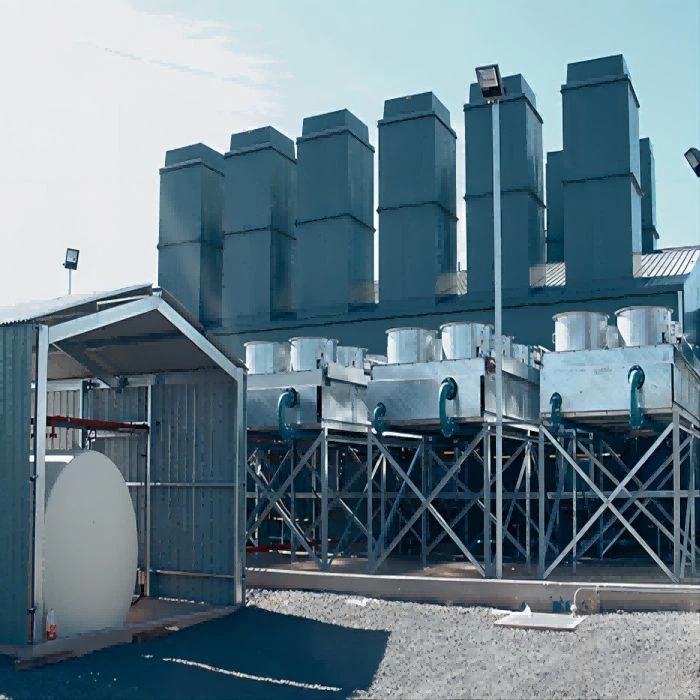
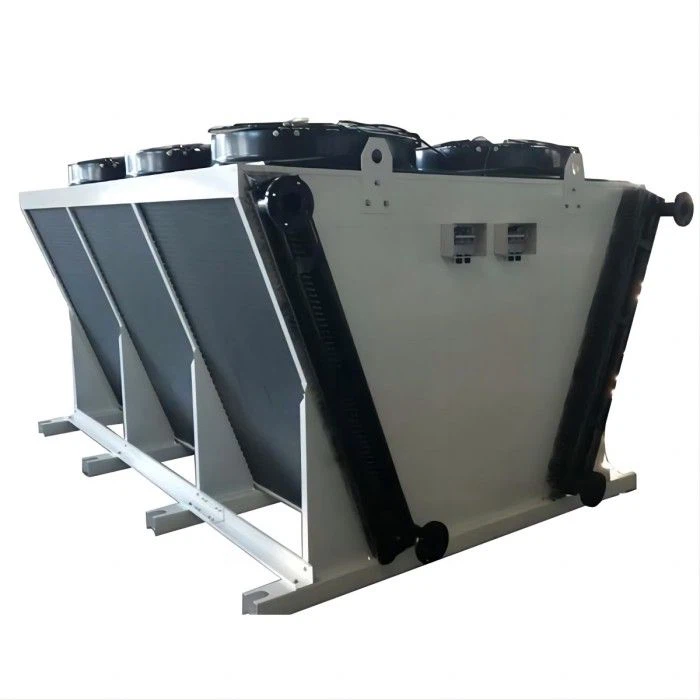
Control systems are also essential for ensuring the safe and efficient operation of the waste heat recovery system. These systems monitor the temperature, pressure, and flow rate of the fluids in the heat exchanger and other components, and adjust the operating conditions accordingly. For example, if the temperature of the waste heat source increases, the control system may increase the flow rate of the working fluid to maintain the desired heat transfer rate.
4. Applications in Different Industries
Waste heat recovery systems with heat exchangers have a wide range of applications in various industries. In the power generation industry, for example, heat exchangers can be used to recover waste heat from power plants and use it to preheat feedwater or generate additional steam. This can significantly improve the overall efficiency of the power plant and reduce fuel consumption.
In the manufacturing industry, waste heat recovery systems can be used to recover heat from industrial processes, such as metal smelting, glass manufacturing, and chemical production. By using this recovered heat, manufacturers can reduce their energy costs and environmental impact. For example, in a metal smelting process, heat exchangers can be used to recover the heat from the hot exhaust gases and use it to preheat the incoming raw materials, thereby reducing the energy required for melting.
In the transportation industry, waste heat recovery systems can be used to recover heat from vehicle engines and use it to power auxiliary systems or improve fuel efficiency. For example, in a diesel generator set, a heat exchanger can be used to recover the waste heat from the engine exhaust and use it to heat the coolant or provide space heating. You can learn more about Cooling Towers for Diesel Generator Sets, Remote Monitoring for Generator Sets, and Horizontal Remote Radiator on our website.
5. Challenges and Future Developments
Despite the many benefits of waste heat recovery systems with heat exchangers, there are also several challenges that need to be addressed. One of the main challenges is the high cost of installation and maintenance. Heat exchangers and other components of a waste heat recovery system can be expensive, especially for large-scale applications. In addition, the maintenance and operation of these systems require specialized knowledge and skills.
Another challenge is the compatibility of the heat exchanger materials with the waste heat source and the working fluid. Some waste heat sources may contain corrosive or abrasive substances, which can damage the heat exchanger over time. Therefore, it is essential to select the appropriate materials for the heat exchanger to ensure its long-term reliability and performance.
Looking to the future, there are several exciting developments in the field of waste heat recovery systems. One area of research is the development of more efficient and compact heat exchangers. By using advanced materials and manufacturing techniques, it is possible to increase the heat transfer efficiency of heat exchangers while reducing their size and weight. Another area of research is the integration of waste heat recovery systems with renewable energy sources, such as solar and wind power, to create hybrid energy systems that are more sustainable and reliable.
6. Conclusion and Call to Action
In conclusion, heat exchangers play a vital role in waste heat recovery systems. They are responsible for capturing and transferring waste heat, optimizing system performance, and integrating with other components. By using heat exchangers in waste heat recovery systems, industries can improve their energy efficiency, reduce their environmental impact, and save on energy costs.
As a leading supplier of waste heat recovery systems, we have the expertise and experience to design and install customized solutions for your specific needs. Whether you are in the power generation, manufacturing, or transportation industry, we can help you implement a waste heat recovery system that maximizes the benefits of your waste heat. If you are interested in learning more about our waste heat recovery systems or would like to discuss a potential project, please contact us for a consultation. We look forward to working with you to achieve your energy efficiency and sustainability goals.
References
- Incropera, F. P., & DeWitt, D. P. (2002). Fundamentals of Heat and Mass Transfer. John Wiley & Sons.
- Kakac, S., & Liu, H. (2002). Heat Exchangers: Selection, Rating, and Thermal Design. CRC Press.
- Tester, J. W., Drake, E. M., Driscoll, M. J., Golay, M. W., & Peters, W. A. (2012). Sustainable Energy: Choosing Among Options. MIT Press.


