

As a supplier of Ammonia Slip Catalyst (ASC), I often get asked whether an ammonia slip catalyst requires special storage conditions. Well, the short answer is yes, but let's dig deeper into the details.
First off, let's understand what an ammonia slip catalyst is. An ammonia slip catalyst is designed to clean up the excess ammonia that slips through the Selective Catalytic Reduction (SCR) system in diesel engines and other industrial processes. It helps in reducing harmful ammonia emissions, making the exhaust gases more environmentally friendly. We offer different types of catalysts, like the Vanadium-based SCR Catalyst, Diesel Oxidation Catalyst, and Cu-based SCR Catalyst, each with its own unique properties and applications.
Now, back to the storage conditions. Ammonia slip catalysts are sensitive to a few key factors, and improper storage can lead to a decrease in their performance or even damage.
Temperature
Temperature is one of the most critical factors when it comes to storing ammonia slip catalysts. These catalysts are typically designed to work within a specific temperature range during operation. When in storage, extreme temperatures can have a negative impact on their structure and activity.
High temperatures can cause the active components of the catalyst to sinter or degrade. Sintering is a process where the small particles of the catalyst material fuse together, reducing the surface area available for the chemical reactions. This can lead to a decrease in the catalyst's efficiency in converting ammonia. On the other hand, very low temperatures can cause physical damage to the catalyst, such as cracking or chipping.
The ideal storage temperature for most ammonia slip catalysts is between 20°C and 30°C (68°F and 86°F). It's important to store them in a place where the temperature remains relatively stable and doesn't fluctuate too much. Avoid storing them near sources of heat, like furnaces or heaters, or in areas that are exposed to direct sunlight.
Humidity
Humidity is another factor that can affect the performance of ammonia slip catalysts. Moisture in the air can cause the catalyst to absorb water, which can lead to corrosion or the formation of unwanted compounds on the catalyst surface.
High humidity levels can also promote the growth of mold and bacteria on the catalyst, which can further degrade its performance. To prevent this, it's recommended to store the catalysts in a dry environment with a relative humidity of less than 60%. If the storage area is prone to high humidity, using a dehumidifier can help maintain the right conditions.
In addition, make sure the catalysts are properly sealed in their packaging to prevent moisture from getting in. If the packaging has been damaged, it's a good idea to transfer the catalyst to a new, airtight container.
Contamination
Contamination is a major concern when storing ammonia slip catalysts. These catalysts are very sensitive to impurities, and even small amounts of contaminants can have a significant impact on their performance.
Avoid storing the catalysts near chemicals, solvents, or other substances that could potentially contaminate them. For example, exposure to sulfur compounds can poison the catalyst and reduce its ability to convert ammonia. It's also important to keep the storage area clean and free of dust and debris.
When handling the catalysts, make sure to use clean gloves and tools to prevent any contamination from your hands or equipment. If the catalysts come into contact with any contaminants, they may need to be cleaned or even replaced.
Physical Damage
Physical damage can also occur during storage if the catalysts are not handled properly. These catalysts are usually made of fragile materials, and rough handling can cause them to break or chip.
When storing the catalysts, make sure they are placed on a stable surface and are not stacked too high. If you need to stack them, use appropriate spacers or supports to prevent them from being crushed. Avoid dropping or hitting the catalysts, as this can cause internal damage that may not be immediately visible.
Packaging
Proper packaging is essential for protecting ammonia slip catalysts during storage. The packaging should be designed to prevent moisture, dust, and physical damage.
Most ammonia slip catalysts come in sealed containers or boxes that are specifically designed for storage and transportation. Make sure to keep the catalysts in their original packaging as much as possible. If you need to transfer them to a different container, choose one that is made of a suitable material and provides adequate protection.
Long-Term Storage
If you need to store ammonia slip catalysts for an extended period of time, there are a few additional steps you can take to ensure their longevity.
First, consider using a desiccant in the storage container to absorb any moisture that may be present. Silica gel is a commonly used desiccant that can help keep the environment dry.
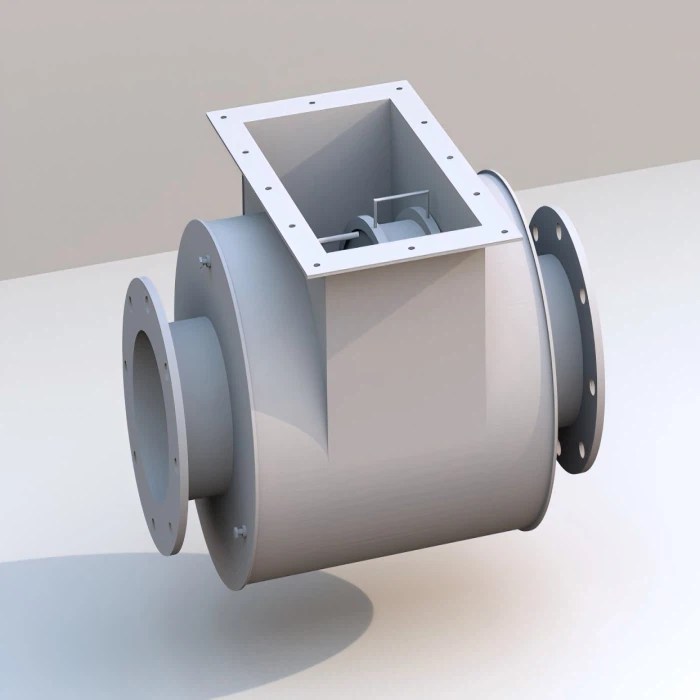

Second, it's a good idea to periodically check the catalysts for any signs of damage or degradation. Inspect them visually for cracks, chips, or discoloration. You can also perform some simple tests to check their performance, such as measuring the conversion efficiency of ammonia.
Finally, if you plan to store the catalysts for a very long time, it may be worth consulting with the catalyst manufacturer or a technical expert. They can provide more specific recommendations based on the type of catalyst you have and the storage conditions.
Conclusion
In conclusion, ammonia slip catalysts do require special storage conditions to maintain their performance and longevity. Temperature, humidity, contamination, physical damage, and proper packaging are all important factors to consider. By following the guidelines outlined above, you can ensure that your ammonia slip catalysts are stored in the best possible conditions and are ready to perform when needed.
If you're in the market for ammonia slip catalysts or have any questions about their storage or performance, don't hesitate to reach out. We're here to help you find the right solution for your needs and ensure that you get the most out of your catalysts. Contact us today to start a conversation about your procurement requirements.
References
- Smith, J. (2020). Catalyst Storage and Handling Best Practices. Journal of Catalyst Science, 15(2), 45-52.
- Johnson, A. (2019). The Impact of Temperature and Humidity on Catalyst Performance. Catalysis Today, 240, 78-85.
- Brown, C. (2018). Contamination Prevention in Catalyst Storage. Industrial Catalysis Review, 12(3), 67-74.


