

Hey there! As a supplier of Biogas Sewage Treatment solutions, I've seen firsthand how crucial pH levels are in the sewage treatment process. In this blog, I'll break down how pH affects biogas sewage treatment and why it's something you can't afford to overlook.
First off, let's quickly understand what Biogas Sewage Treatment is all about. It's a process that uses microorganisms to break down organic matter in sewage. During this breakdown, biogas, mainly composed of methane and carbon dioxide, is produced. This biogas can be used as a renewable energy source, making it an eco - friendly and cost - effective solution for sewage management.
Now, pH is a measure of how acidic or basic a solution is. It ranges from 0 to 14, with 7 being neutral. Values below 7 are acidic, and values above 7 are basic. In the context of biogas sewage treatment, the pH level has a significant impact on the microorganisms responsible for the breakdown of organic matter.
Most of the microorganisms involved in biogas production, like methanogens, thrive in a specific pH range. Methanogens, which are responsible for producing methane, prefer a slightly alkaline environment, typically between 6.8 and 7.2. When the pH is within this range, these microorganisms are most active and efficient at converting organic matter into biogas.
If the pH level drops below the optimal range and becomes too acidic, it can spell trouble. Acidic conditions can inhibit the growth and activity of methanogens. The acidic environment can disrupt the cell membranes of these microorganisms, affecting their ability to carry out essential biochemical reactions. As a result, the production of methane slows down, and the overall efficiency of the biogas sewage treatment process decreases.
On the other hand, if the pH level rises too high and becomes overly alkaline, it can also have a negative impact. High - pH conditions can denature the enzymes within the microorganisms. Enzymes are like the catalysts of biological reactions, and when they're denatured, they lose their ability to function properly. This leads to a decrease in the metabolic activity of the microorganisms, again reducing the biogas production rate.
In a real - world biogas sewage treatment plant, maintaining the right pH level is an ongoing challenge. There are several factors that can cause fluctuations in pH. For instance, the composition of the incoming sewage can vary. If the sewage contains a large amount of acidic or alkaline substances, it can throw off the pH balance. Industrial wastewater, which may have a high concentration of acids or bases, can be a major culprit when it's mixed with domestic sewage.
Another factor is the by - products of the microbial metabolism itself. As the microorganisms break down organic matter, they produce various acids and bases. If these by - products are not properly managed, they can accumulate and cause the pH to shift.
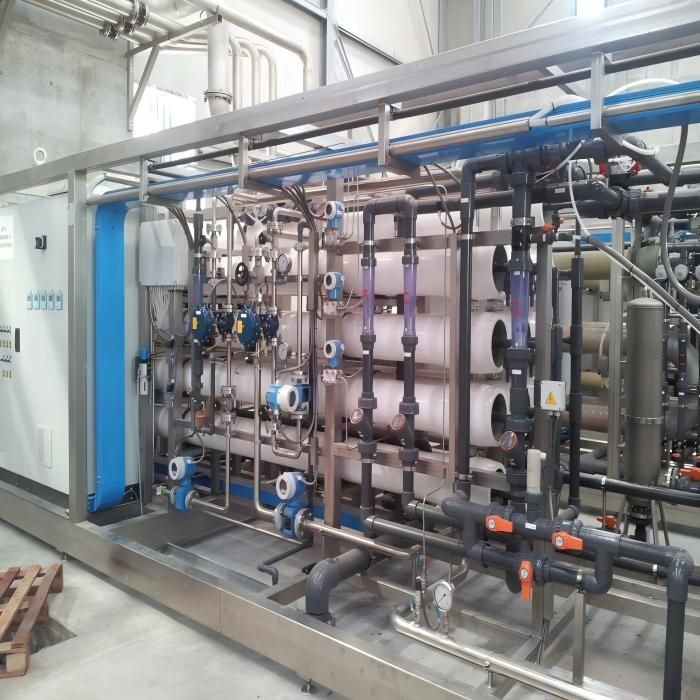
To counteract these pH fluctuations, we often use Ancillary Equipment for Biomass Gasification. This equipment can help in monitoring and adjusting the pH levels in the treatment system. For example, pH sensors can continuously measure the pH of the sewage in the treatment tanks. Based on the readings, dosing systems can add acidic or alkaline substances to bring the pH back to the optimal range.
We've also developed some innovative solutions to deal with pH issues. One of our products is a smart control system that uses advanced algorithms to predict and prevent pH fluctuations. It takes into account factors like the historical data of sewage composition, temperature, and flow rate to make real - time adjustments to the treatment process.
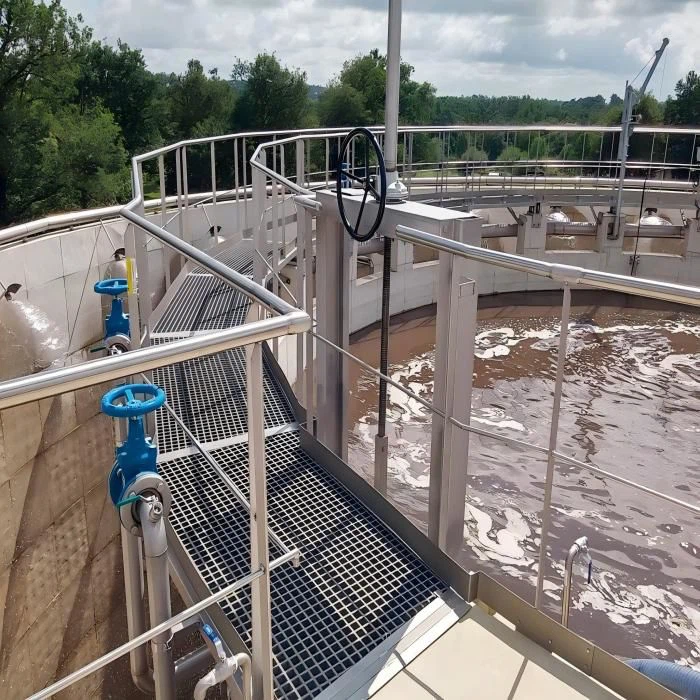
In addition to using equipment, proper pre - treatment of the sewage can also help in stabilizing the pH. This can involve processes like equalization, where the sewage is stored in a tank for a certain period to allow for the mixing of different components and to reduce the impact of sudden changes in composition.
Let's talk about the economic implications of pH management in biogas sewage treatment. When the pH is not properly controlled, the biogas production is sub - optimal. This means less renewable energy is generated, which in turn can lead to higher energy costs for the treatment plant. Moreover, if the treatment process is inefficient due to pH issues, it may require more resources, such as additional chemicals and energy, to achieve the desired level of sewage treatment.
On the flip side, when the pH is maintained at the optimal level, the biogas production is maximized. This not only provides a greater amount of renewable energy but also reduces the overall cost of sewage treatment. The treated sewage can meet the required environmental standards more easily, avoiding potential fines and legal issues.
As a supplier of Biogas Sewage Treatment solutions, we understand the importance of pH management. We offer a comprehensive range of products and services to help our customers overcome pH - related challenges. Our team of experts can provide on - site consultations, installation, and maintenance services to ensure that your biogas sewage treatment system operates at its best.
If you're in the market for a reliable Biogas Sewage Treatment solution, or if you're facing pH - related problems in your existing system, don't hesitate to reach out. We're here to help you optimize your sewage treatment process, increase biogas production, and save on costs. Whether you're a small - scale sewage treatment plant or a large industrial facility, we have the right solutions for you.
In conclusion, pH plays a vital role in biogas sewage treatment. It affects the activity of the microorganisms responsible for biogas production, and proper pH management is essential for the efficiency and economic viability of the treatment process. With our expertise and cutting - edge products, we can help you achieve the optimal pH level and make the most of your biogas sewage treatment system. So, get in touch with us today and let's start a conversation about how we can improve your sewage treatment operations.
References
- Metcalf & Eddy. Wastewater Engineering: Treatment and Resource Recovery. McGraw - Hill Education, 2014.
- Speece, R. N. Anaerobic Biotechnology for Industrial Wastewaters. McGraw - Hill, 1996.
- Angelidaki, I., & Ahring, B. K. Influence of pH and temperature on the anaerobic degradation of cattle manure. Applied Microbiology and Biotechnology, 1993.


