

Hey there! As a supplier of sewage treatment equipment, I often get asked about how to calculate the treatment capacity of sewage treatment equipment. It's a crucial question, especially for those looking to invest in the right system for their needs. In this blog, I'll break down the process in a way that's easy to understand, so you can make an informed decision.
Understanding the Basics of Treatment Capacity
First things first, what exactly do we mean by the treatment capacity of sewage treatment equipment? Simply put, it refers to the amount of sewage that the equipment can handle and treat effectively within a specific period, usually measured in cubic meters per day (m³/d) or gallons per day (GPD).
There are several factors that can affect the treatment capacity of sewage treatment equipment. Let's take a look at some of the most important ones:
1. Type of Sewage
The nature of the sewage being treated plays a significant role. For instance, domestic sewage from households typically has a different composition compared to industrial sewage. Industrial sewage may contain higher levels of chemicals, heavy metals, and other contaminants, which can make it more difficult to treat. As a result, equipment designed to handle industrial sewage may need to have a higher treatment capacity or more advanced treatment processes.
2. Population Served
If you're dealing with a sewage treatment system for a residential area, the number of people living in that area is a key factor. The more people there are, the more sewage is generated. On average, a person produces around 150 - 200 liters of sewage per day. So, if you're designing a system for a community of 1,000 people, you can expect a daily sewage generation of approximately 150,000 - 200,000 liters (or 150 - 200 m³).
3. Flow Rate
The flow rate of the sewage into the treatment system is another critical factor. This refers to the volume of sewage that enters the system per unit of time, usually measured in liters per second (L/s) or cubic meters per hour (m³/h). A higher flow rate means that the equipment needs to be able to process the sewage more quickly.
Calculating the Treatment Capacity
Now that we've covered the factors that affect treatment capacity, let's dive into the actual calculation process. There are a few different methods you can use, depending on the available data and the specific situation.
Method 1: Based on Population
As mentioned earlier, you can estimate the sewage generation based on the number of people served. Here's a simple formula:
Treatment Capacity (m³/d) = Number of People × Average Sewage Generation per Person (m³/person/day)
For example, if you're designing a sewage treatment system for a small town with a population of 5,000 people, and the average sewage generation per person is 0.2 m³/day, the treatment capacity would be:
Treatment Capacity = 5,000 × 0.2 = 1,000 m³/d
Method 2: Based on Flow Rate
If you have data on the flow rate of the sewage into the system, you can calculate the treatment capacity using the following formula:
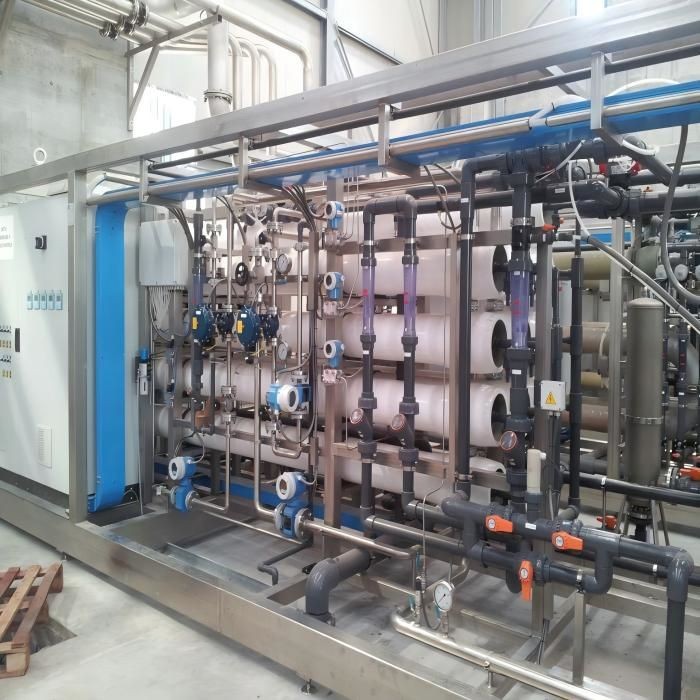
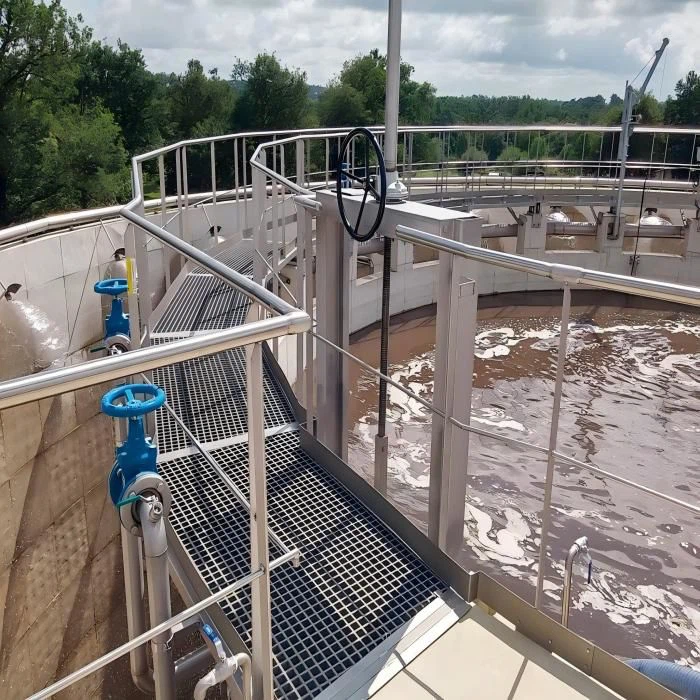
Treatment Capacity (m³/d) = Flow Rate (m³/h) × 24 hours
For instance, if the flow rate of the sewage entering the treatment system is 50 m³/h, the treatment capacity would be:
Treatment Capacity = 50 × 24 = 1,200 m³/d
Method 3: Using Historical Data
If you have access to historical data on the sewage generation and treatment in a particular area, you can use that information to calculate the treatment capacity. Analyze the data to determine the average daily sewage volume over a period of time, taking into account any seasonal variations or fluctuations.
Considering Future Growth
When calculating the treatment capacity of sewage treatment equipment, it's important to consider future growth. If you're designing a system for a growing community or an expanding industrial facility, you need to ensure that the equipment can handle the increased sewage volume in the future.
One way to account for future growth is to use a growth factor. This is a percentage increase in sewage generation that you expect over a certain period of time. For example, if you expect the population of a community to grow by 10% over the next 5 years, you can increase the calculated treatment capacity by 10% to accommodate the future demand.
Importance of Accurate Calculation
Getting the treatment capacity calculation right is crucial for several reasons. Firstly, if the treatment capacity is too low, the equipment will not be able to handle the sewage effectively, leading to poor treatment results and potential environmental problems. On the other hand, if the treatment capacity is too high, you'll end up investing in more expensive equipment than necessary, which can be a waste of resources.
Our Range of Sewage Treatment Equipment
At our company, we offer a wide range of sewage treatment equipment to meet different treatment capacity requirements. Whether you're looking for a small-scale system for a residential property or a large-scale industrial solution, we've got you covered.
One of our popular options is the Biogas Sewage Treatment system. This innovative technology not only treats the sewage effectively but also produces biogas, which can be used as a renewable energy source. It's a great option for those looking for an environmentally friendly and cost-effective solution.
We also provide Ancillary Equipment for Biomass Gasification to complement our sewage treatment systems. These ancillary equipment can enhance the performance and efficiency of the overall treatment process.
Contact Us for a Customized Solution
If you're still unsure about how to calculate the treatment capacity for your specific needs or if you're interested in our sewage treatment equipment, don't hesitate to reach out to us. Our team of experts is here to help you determine the right treatment capacity and recommend the most suitable equipment for your project.
We understand that every situation is unique, and we're committed to providing customized solutions that meet your exact requirements. Whether you're a homeowner, a business owner, or a municipal authority, we can work with you to design and install a sewage treatment system that works for you.
Conclusion
Calculating the treatment capacity of sewage treatment equipment is an important step in ensuring the effective and efficient treatment of sewage. By considering factors such as the type of sewage, population served, flow rate, and future growth, you can make an accurate calculation and choose the right equipment for your needs.
If you have any questions or need further assistance, feel free to contact us. We're here to help you make the best decision for your sewage treatment project.
References
- Environmental Protection Agency (EPA). (2023). Sewage Treatment Design Guidelines.
- Water Environment Federation (WEF). (2022). Manual of Practice on Wastewater Treatment.


