

In the realm of environmental protection, sewage treatment stands as a crucial pillar in maintaining the ecological balance and public health. As a dedicated sewage treatment equipment supplier, I've witnessed firsthand the evolving demands and challenges in this field. The efficiency of sewage treatment equipment is not just a technical metric; it's a key factor that determines the success of wastewater management projects, impacting both the environment and the bottom line of our clients. In this blog, I'll share some practical strategies and insights on how to enhance the efficiency of sewage treatment equipment.
1. Regular Maintenance and Inspection
One of the fundamental steps in improving the efficiency of sewage treatment equipment is regular maintenance and inspection. Just like any other machinery, sewage treatment equipment is subject to wear and tear over time. Components such as pumps, valves, and filters can accumulate debris, corrode, or malfunction, leading to reduced efficiency and potential breakdowns.
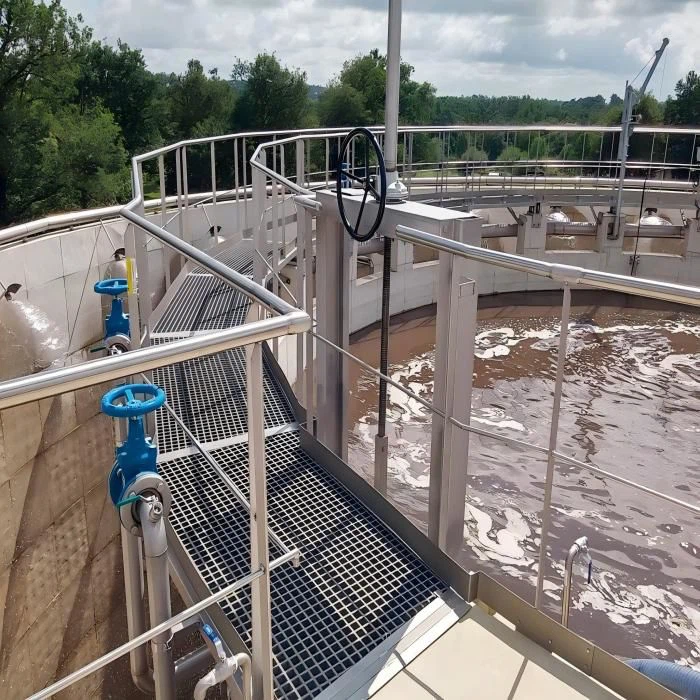
Scheduled maintenance should include tasks such as cleaning, lubrication, and replacement of worn-out parts. For example, filters need to be cleaned or replaced periodically to prevent clogging, which can impede the flow of wastewater and reduce treatment effectiveness. Inspecting the seals and gaskets for leaks is also essential, as even a small leak can lead to significant losses in treatment efficiency and potentially contaminate the surrounding environment.
Moreover, regular inspections can help identify potential issues before they escalate into major problems. By using advanced diagnostic tools and techniques, such as ultrasonic testing and thermal imaging, we can detect early signs of component failure and take proactive measures to address them. This not only minimizes downtime but also extends the lifespan of the equipment, reducing the overall cost of ownership.
2. Optimization of Treatment Processes
Another critical aspect of improving sewage treatment equipment efficiency is the optimization of treatment processes. Different types of sewage require different treatment methods, and selecting the most appropriate process for a specific application is crucial. For instance, Biogas Sewage Treatment is an effective method for treating organic-rich sewage, as it not only removes pollutants but also produces biogas, a renewable energy source.
In addition to selecting the right treatment process, it's also important to optimize the operating parameters of the equipment. This includes adjusting the flow rate, temperature, pH level, and chemical dosage to ensure optimal treatment performance. For example, maintaining the proper temperature in a biological treatment process is essential for the growth and activity of microorganisms, which play a key role in breaking down organic matter.
Advanced control systems can be used to monitor and adjust these parameters in real-time, ensuring that the treatment process operates at peak efficiency. By integrating sensors and automation technology, we can achieve precise control over the treatment process, reducing energy consumption and chemical usage while improving treatment quality.
3. Upgrading and Retrofit of Equipment
As technology advances, upgrading and retrofitting existing sewage treatment equipment can significantly improve its efficiency. Newer equipment models often incorporate advanced features and technologies that can enhance treatment performance, reduce energy consumption, and improve reliability.
For example, upgrading to high-efficiency pumps and motors can reduce energy consumption by up to 30%. Similarly, installing advanced aeration systems can improve the oxygen transfer efficiency in biological treatment processes, leading to faster and more effective treatment. Retrofitting existing equipment with advanced control systems and monitoring devices can also provide real-time data on equipment performance, allowing for proactive maintenance and optimization.
In some cases, it may be more cost-effective to replace outdated equipment with new, state-of-the-art models. However, before making a decision, it's important to conduct a cost-benefit analysis to determine the most appropriate course of action. This should take into account factors such as the initial investment, operating costs, energy savings, and expected lifespan of the equipment.
4. Training and Education of Operators
The efficiency of sewage treatment equipment also depends on the skills and knowledge of the operators. Proper training and education can help operators understand the equipment's operation and maintenance requirements, as well as the principles of sewage treatment. This enables them to operate the equipment more effectively, troubleshoot problems quickly, and make informed decisions to optimize the treatment process.
Training programs should cover a wide range of topics, including equipment operation, maintenance, safety procedures, and environmental regulations. Hands-on training and practical exercises are particularly important, as they allow operators to gain real-world experience and develop the skills needed to operate the equipment safely and efficiently.
In addition to initial training, ongoing education and professional development are also essential. This can include attending industry conferences, workshops, and training courses to stay updated on the latest technologies and best practices in sewage treatment. By investing in the training and education of operators, we can ensure that the equipment is operated at its full potential, maximizing treatment efficiency and minimizing downtime.
5. Integration of Ancillary Equipment
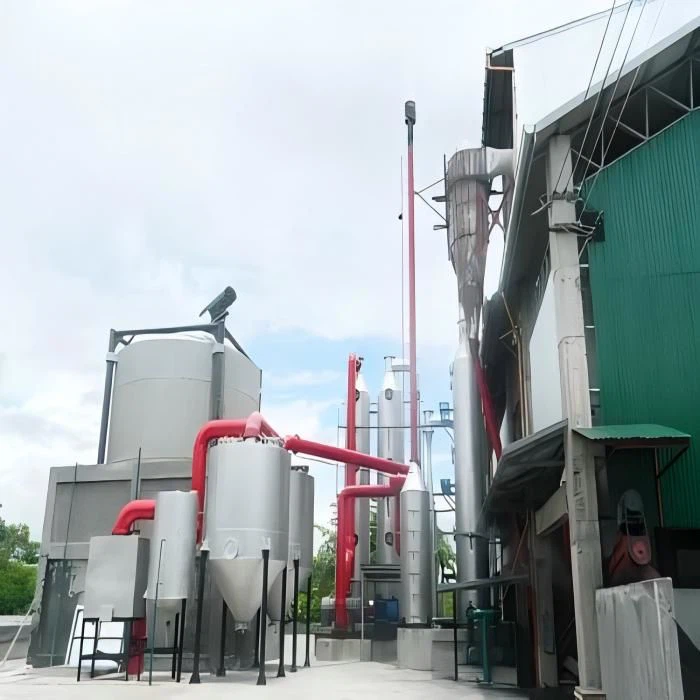
Integrating ancillary equipment can also enhance the efficiency of sewage treatment systems. Ancillary Equipment for Biomass Gasification can play a crucial role in improving the overall performance of sewage treatment plants. For example, biomass gasification equipment can convert organic waste from sewage treatment into biogas, which can be used as a renewable energy source to power the treatment plant.
Other ancillary equipment, such as sludge dewatering machines and odor control systems, can also improve the efficiency and environmental performance of sewage treatment plants. Sludge dewatering machines can reduce the volume of sludge generated during the treatment process, making it easier and more cost-effective to dispose of. Odor control systems can prevent the release of unpleasant odors into the surrounding environment, improving the quality of life for nearby residents.
By carefully selecting and integrating ancillary equipment into the sewage treatment system, we can create a more efficient and sustainable treatment solution. This not only reduces the environmental impact of sewage treatment but also provides economic benefits by reducing energy consumption and waste disposal costs.
Conclusion
Improving the efficiency of sewage treatment equipment is a multifaceted challenge that requires a comprehensive approach. By implementing regular maintenance and inspection, optimizing treatment processes, upgrading and retrofitting equipment, training and educating operators, and integrating ancillary equipment, we can enhance the performance and reliability of sewage treatment systems, while reducing energy consumption and environmental impact.
As a sewage treatment equipment supplier, I'm committed to providing our clients with the highest quality equipment and solutions to meet their specific needs. If you're interested in learning more about how we can help you improve the efficiency of your sewage treatment equipment, or if you're considering a new sewage treatment project, please don't hesitate to contact us. We look forward to the opportunity to work with you and contribute to a cleaner and more sustainable environment.
References
- Metcalf & Eddy. (2003). Wastewater Engineering: Treatment and Reuse. McGraw-Hill.
- Tchobanoglous, G., Burton, F. L., & Stensel, H. D. (2003). Wastewater Engineering: Treatment, Disposal, and Reuse. Pearson Education.
- USEPA. (2019). Wastewater Technology Fact Sheet: Aerobic Treatment. United States Environmental Protection Agency.


