

Managing sludge in biogas sewage treatment is a crucial aspect that directly impacts the efficiency, sustainability, and overall success of the treatment process. As a supplier of Biogas Sewage Treatment, I have witnessed firsthand the challenges and opportunities associated with sludge management. In this blog, I will share some insights and strategies on how to effectively manage sludge in biogas sewage treatment.
Understanding the Sludge in Biogas Sewage Treatment
Before delving into the management strategies, it is essential to understand what sludge is and its characteristics in the context of biogas sewage treatment. Sludge is a by - product of the sewage treatment process. It consists of a complex mixture of organic and inorganic materials, including microorganisms, suspended solids, and various chemical substances.
In biogas sewage treatment, sludge is generated during different stages. Primary sludge is formed during the initial sedimentation process, where large solid particles settle out of the sewage. Secondary sludge is produced from the biological treatment stage, mainly composed of activated sludge that contains a high concentration of microorganisms. This sludge plays a vital role in breaking down organic matter in the sewage to produce biogas.
Challenges in Sludge Management
Managing sludge in biogas sewage treatment comes with several challenges. One of the primary challenges is the large volume of sludge generated. As the demand for sewage treatment increases, so does the amount of sludge. Storing and disposing of this large volume of sludge can be costly and space - consuming.
Another challenge is the high moisture content of the sludge. The moisture in the sludge not only increases its weight but also makes it difficult to handle and transport. Additionally, the sludge may contain harmful substances such as heavy metals, pathogens, and persistent organic pollutants. If not properly managed, these substances can pose a risk to the environment and human health.
Strategies for Sludge Management
Reduction of Sludge Volume
One of the most effective ways to manage sludge is to reduce its volume. This can be achieved through various methods. One common method is sludge thickening. Thickening involves removing a portion of the water from the sludge, thereby increasing its solids concentration. Gravity thickeners, dissolved air flotation thickeners, and centrifugal thickeners are some of the commonly used thickening equipment.
Another method for volume reduction is sludge digestion. Anaerobic digestion is widely used in biogas sewage treatment. During anaerobic digestion, microorganisms break down the organic matter in the sludge in the absence of oxygen, producing biogas (mainly methane and carbon dioxide) and reducing the volume of the sludge. The biogas produced can be used as a renewable energy source, providing an additional benefit to the treatment process.
Sludge Stabilization
Sludge stabilization is important to reduce the potential for odor generation and pathogen growth. Aerobic digestion is a method of sludge stabilization where oxygen is supplied to the sludge to promote the growth of aerobic microorganisms. These microorganisms break down the organic matter in the sludge, reducing its biological activity and stabilizing it.

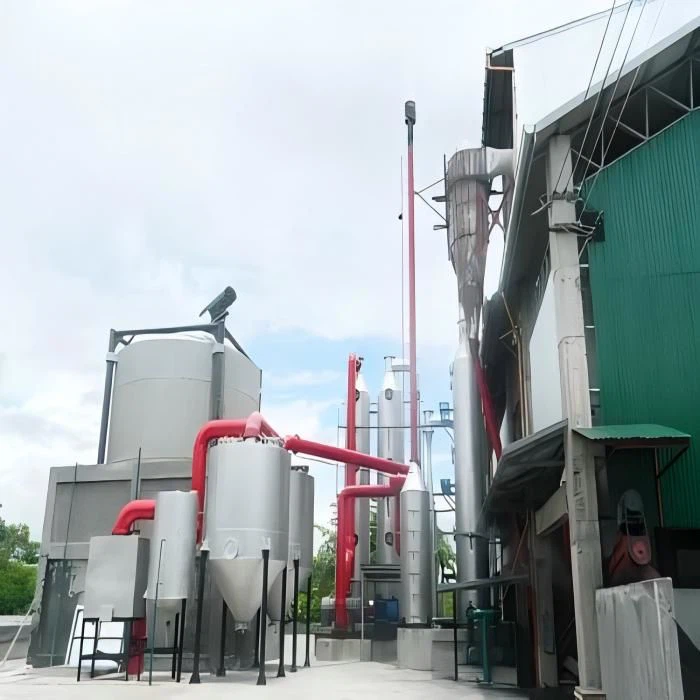
Chemical stabilization is another option. Chemicals such as lime can be added to the sludge to raise its pH and kill pathogens. This method also helps to reduce the solubility of heavy metals in the sludge.
Utilization of Sludge
Instead of simply disposing of the sludge, it can be utilized in various ways. One of the most common applications is land application. Treated sludge can be used as a soil conditioner and fertilizer. The organic matter in the sludge can improve soil structure, water - holding capacity, and fertility. However, strict regulations need to be followed to ensure that the sludge does not contain excessive amounts of harmful substances.
Sludge can also be used for energy production. In addition to biogas production during anaerobic digestion, the dried sludge can be incinerated to generate heat and electricity. However, incineration requires careful control to prevent the release of pollutants into the atmosphere.
Role of Ancillary Equipment
Ancillary Equipment for Biomass Gasification plays a crucial role in sludge management. For example, sludge dewatering equipment such as belt filter presses, plate and frame filter presses, and screw presses are essential for reducing the moisture content of the sludge. These machines can effectively separate the water from the sludge, making it easier to handle and transport.
Gas collection and purification equipment are also important in the context of biogas production from sludge. These equipment ensure that the biogas produced is of high quality and can be used safely and efficiently.
Monitoring and Control
Effective sludge management also requires continuous monitoring and control. Parameters such as sludge volume, solids concentration, moisture content, and the presence of harmful substances need to be regularly monitored. This data can be used to optimize the sludge management process, adjust the operating conditions of the treatment equipment, and ensure compliance with environmental regulations.
Automated control systems can be used to monitor and control the sludge management process. These systems can adjust the flow rates, chemical dosages, and other operating parameters in real - time based on the monitored data, improving the efficiency and reliability of the sludge management process.
Conclusion
Managing sludge in biogas sewage treatment is a complex but essential task. By understanding the characteristics of sludge, addressing the challenges, and implementing appropriate management strategies, we can reduce the environmental impact, improve the efficiency of the treatment process, and even turn the sludge into a valuable resource.
As a Biogas Sewage Treatment supplier, we are committed to providing high - quality equipment and solutions for sludge management. If you are interested in learning more about our products and services or have any questions regarding sludge management in biogas sewage treatment, please feel free to contact us for procurement and further discussions.
References
- Tchobanoglous, G., Burton, F. L., & Stensel, H. D. (2003). Wastewater engineering: Treatment and reuse. McGraw - Hill.
- Metcalf & Eddy. (2014). Wastewater engineering: Treatment, disposal, and reuse. John Wiley & Sons.
- USEPA. (2003). Biosolids management: A comprehensive approach. United States Environmental Protection Agency.


