

Hey there! As a supplier of sewage treatment equipment, I've seen firsthand the importance of operating this gear safely. Sewage treatment isn't just about cleaning up waste; it's about protecting our environment and the health of everyone involved. In this blog, I'm gonna share some key tips on how to operate sewage treatment equipment safely.
1. Pre - operation Checks
Before you even think about firing up the sewage treatment equipment, a thorough pre - operation check is a must. First off, inspect all the physical components. Look for any signs of wear and tear on pipes, valves, and pumps. Cracks in pipes can lead to leaks, which not only waste water but can also expose operators to harmful sewage. For example, if a valve is stuck or not closing properly, it can disrupt the flow of sewage through the system.
Next, check the electrical connections. Loose wires or frayed cables can cause electrical malfunctions or, even worse, electrical shocks. Make sure all the switches are in the off position before you start your inspection. Also, check the grounding of the equipment. A proper ground can prevent electrical accidents and protect both the equipment and the operators.
Don't forget to check the lubrication levels in moving parts. Motors and pumps often have parts that need to be lubricated to run smoothly. Insufficient lubrication can cause overheating and premature wear of these components. And while you're at it, check the oil levels in engines if your equipment has them. Low oil levels can lead to engine damage.
2. Operator Training
You can have the best - maintained equipment in the world, but if your operators don't know how to use it properly, it's all for nothing. That's why comprehensive operator training is crucial. Training should cover all aspects of the equipment, from basic operation to emergency procedures.
Operators need to understand the different processes involved in sewage treatment. For instance, they should know how the Biogas Sewage Treatment works. This process involves the decomposition of organic matter in sewage to produce biogas, which can be used as an energy source. Understanding the science behind it helps operators troubleshoot problems and optimize the treatment process.
Emergency training is also vital. Operators should be trained on what to do in case of a spill, a power outage, or a mechanical failure. They need to know how to shut down the equipment safely and how to contain any spills to prevent environmental contamination. Regular refresher courses should be provided to keep operators up - to - date with the latest safety procedures and equipment features.
3. Personal Protective Equipment (PPE)
When working with sewage treatment equipment, wearing the right personal protective equipment is non - negotiable. Sewage contains all sorts of harmful substances, including bacteria, viruses, and chemicals. PPE helps protect operators from these hazards.
First, operators should wear waterproof boots. Sewage can be wet and dirty, and regular shoes won't offer enough protection. Waterproof boots prevent sewage from seeping into the shoes and coming into contact with the skin. Gloves are also essential. They protect the hands from direct contact with sewage and any chemicals used in the treatment process. Chemical - resistant gloves are often a good choice, especially when handling disinfectants or other cleaning agents.
A face shield or goggles should be worn to protect the eyes from splashes. Sewage can splash during the treatment process, and getting sewage in the eyes can cause serious infections. A respirator might also be necessary, especially in areas with poor ventilation or when working with chemicals that produce fumes.
4. Regular Maintenance
Regular maintenance is the key to keeping sewage treatment equipment running safely and efficiently. A maintenance schedule should be established and strictly followed. This schedule should include tasks like cleaning filters, checking the integrity of seals, and replacing worn - out parts.
Filters play a crucial role in sewage treatment. They remove solid particles from the sewage, preventing them from clogging the pipes and equipment. Over time, filters can become clogged with debris, reducing their effectiveness. Regular cleaning or replacement of filters ensures that the treatment process runs smoothly.
Seals are another important component. They prevent leaks in the equipment. Check the seals regularly for signs of damage or wear. If a seal is damaged, it should be replaced immediately to prevent sewage from leaking out.
It's also a good idea to have a professional technician perform a more in - depth inspection and maintenance at least once a year. They can identify potential problems that might not be obvious to the regular operators and make the necessary repairs or adjustments.
5. Safety Protocols for Working with Ancillary Equipment for Biomass Gasification
If your sewage treatment system includes ancillary equipment for biomass gasification, there are some specific safety protocols to follow. Biomass gasification involves the conversion of organic materials into a combustible gas. This process can be dangerous if not handled properly.
First, make sure the equipment is installed in a well - ventilated area. The gas produced during biomass gasification can be flammable and toxic. Good ventilation helps prevent the buildup of these gases, reducing the risk of explosions and poisoning.

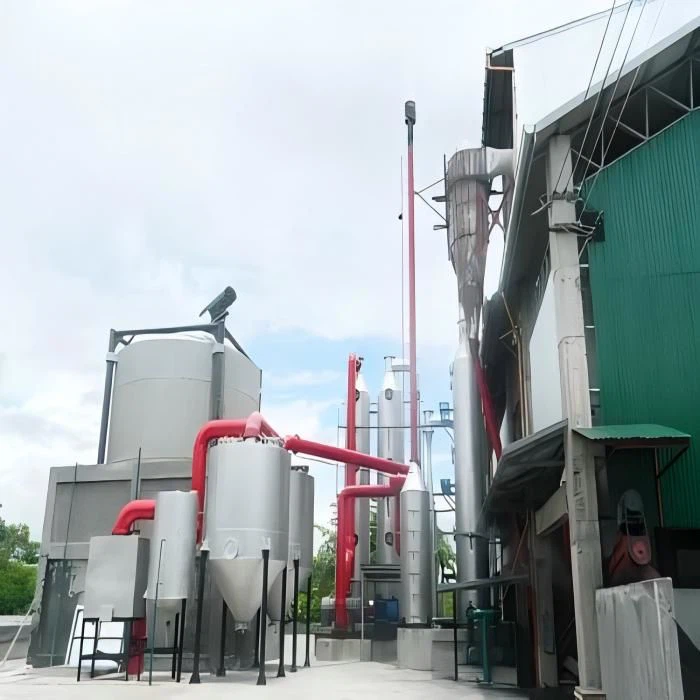
Operators should be trained on how to handle the biomass feedstock safely. The feedstock can be dusty, and inhaling the dust can be harmful. Wear appropriate PPE, such as a dust mask, when handling the feedstock.
Also, check the gas storage and distribution systems regularly. Look for any signs of leaks or damage. A gas leak can be extremely dangerous, so any issues should be addressed immediately.
6. Hazard Communication
Clear hazard communication is essential in a sewage treatment facility. All chemicals used in the treatment process should be properly labeled. Labels should include information about the chemical's name, hazards, and safety precautions.
Safety data sheets (SDS) should be readily available for all chemicals. These sheets provide detailed information about the chemical's properties, handling procedures, and emergency response measures. Operators should be trained on how to read and understand SDS.
In addition to chemical hazards, other potential hazards in the facility should also be clearly communicated. For example, areas with high - voltage equipment should be marked with warning signs. This helps prevent accidental contact and reduces the risk of electrical accidents.
7. Emergency Response Planning
Despite all the precautions, emergencies can still happen. That's why having a well - developed emergency response plan is crucial. The plan should cover all possible emergencies, such as fires, floods, and chemical spills.
The plan should include evacuation routes and assembly points. All operators should know where to go in case of an emergency. There should also be procedures for notifying emergency services, such as the fire department or the environmental protection agency.
Regular emergency drills should be conducted to ensure that all operators are familiar with the emergency response plan. Drills help identify any weaknesses in the plan and give operators a chance to practice their emergency response skills.
Conclusion
Operating sewage treatment equipment safely is a multi - faceted task that requires careful planning, training, and maintenance. By following these tips, you can reduce the risk of accidents and ensure that your sewage treatment facility operates smoothly and efficiently.
If you're in the market for high - quality sewage treatment equipment or need more information on how to operate it safely, don't hesitate to reach out. We're here to help you find the right solutions for your sewage treatment needs. Let's work together to protect our environment and keep our communities healthy.
References
- Environmental Protection Agency. "Sewage Treatment Plant Safety Guidelines."
- Occupational Safety and Health Administration. "Safety in Wastewater Treatment Facilities."


