

Hey there! I'm working for a Biogas Sewage Treatment supplier, and today I wanna share some tips on how to optimize biogas production in sewage treatment. As someone deeply involved in this industry, I've seen firsthand the importance and potential of efficient biogas production. So, let's dive right in!
Understanding the Basics of Biogas Production in Sewage Treatment
First things first, we need to understand what biogas is and how it's produced in sewage treatment. Biogas is a mixture of gases, mainly methane and carbon dioxide, produced by the breakdown of organic matter in the absence of oxygen. In sewage treatment plants, the organic waste in sewage serves as the raw material for biogas production through a process called anaerobic digestion.
During anaerobic digestion, bacteria break down the organic matter into simpler compounds, and eventually, methane and carbon dioxide are produced. This biogas can be used as a renewable energy source, for heating, electricity generation, or even as a vehicle fuel. But to get the most out of this process, we need to optimize it.
Factors Affecting Biogas Production
There are several factors that can affect biogas production in sewage treatment. Let's take a look at some of the most important ones:
Temperature
Temperature plays a crucial role in anaerobic digestion. The bacteria responsible for biogas production are sensitive to temperature changes. Generally, there are two optimal temperature ranges for anaerobic digestion: mesophilic (around 30 - 38°C) and thermophilic (around 50 - 55°C). In mesophilic conditions, the bacteria work at a moderate pace, while in thermophilic conditions, the digestion process is faster. However, thermophilic digestion requires more energy to maintain the higher temperature. So, choosing the right temperature depends on the specific situation of your sewage treatment plant.
pH Level
The pH level of the sewage also affects biogas production. The optimal pH range for anaerobic digestion is between 6.5 and 7.5. If the pH is too low (acidic) or too high (alkaline), the activity of the bacteria can be inhibited. You can adjust the pH level by adding chemicals such as lime or acid, but it's important to do it carefully to avoid harming the bacteria.
Organic Loading Rate
The organic loading rate refers to the amount of organic matter added to the anaerobic digester per unit of time. If the organic loading rate is too high, the bacteria may not be able to break down all the organic matter, leading to a decrease in biogas production and an increase in the risk of digester failure. On the other hand, if the organic loading rate is too low, the digester may not operate at its full capacity. So, finding the right organic loading rate is essential for optimizing biogas production.
Retention Time
Retention time is the length of time that the sewage stays in the anaerobic digester. A longer retention time allows the bacteria more time to break down the organic matter, resulting in higher biogas production. However, a longer retention time also means a larger digester volume and higher construction and operating costs. Therefore, you need to balance the retention time based on the characteristics of your sewage and the capacity of your treatment plant.
Strategies for Optimizing Biogas Production
Now that we know the factors affecting biogas production, let's talk about some strategies to optimize it:
Pre - treatment of Sewage
Pre - treating the sewage before it enters the anaerobic digester can improve biogas production. For example, you can use mechanical methods such as screening and grinding to remove large particles and reduce the particle size of the organic matter. This increases the surface area of the organic matter, making it easier for the bacteria to break it down. Chemical pre - treatment, such as adding enzymes or acids, can also enhance the biodegradability of the organic matter.
Co - digestion
Co - digestion involves adding other organic materials to the sewage in the anaerobic digester. These additional materials can be agricultural waste, food waste, or industrial waste. Co - digestion can increase the organic loading rate and the diversity of the organic matter, which often leads to higher biogas production. For example, adding food waste to sewage can provide more easily degradable organic matter, boosting the biogas yield.
Monitoring and Control
Regular monitoring of the parameters such as temperature, pH level, organic loading rate, and biogas production is essential for optimizing the process. You can use sensors and control systems to continuously monitor these parameters and make adjustments as needed. For example, if the temperature drops below the optimal range, you can increase the heating system to maintain the temperature.
Use of High - Efficiency Equipment
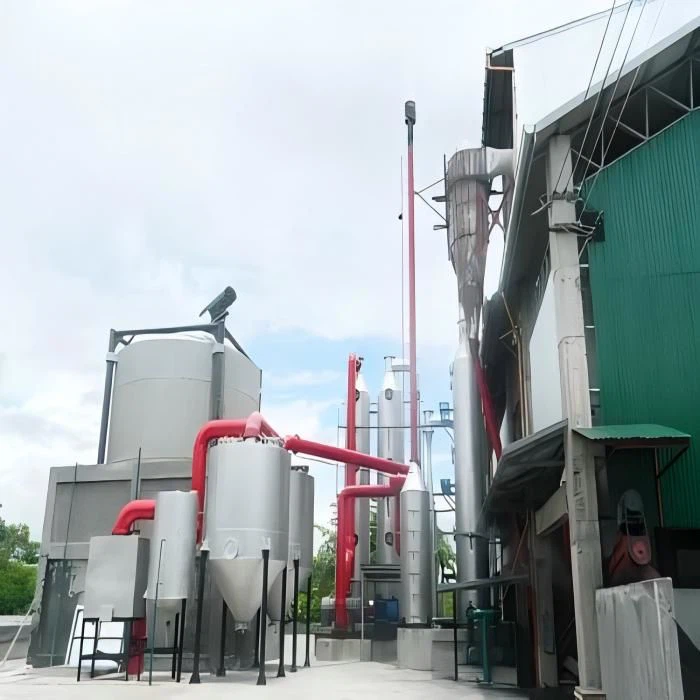
Investing in high - efficiency equipment can also improve biogas production. For example, using advanced anaerobic digesters with better mixing systems can ensure more uniform distribution of the organic matter and bacteria, enhancing the digestion process. You can find some great Ancillary Equipment for Biomass Gasification that can support your biogas production.
Our Biogas Sewage Treatment Solutions
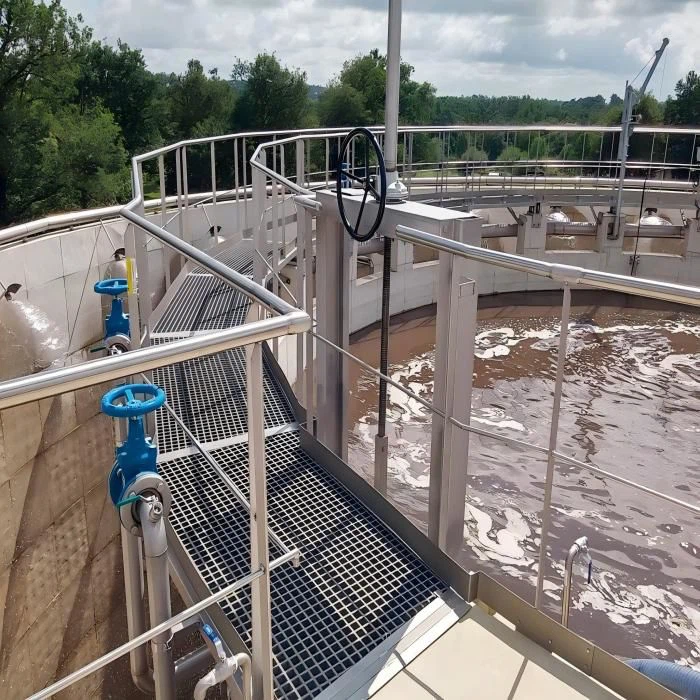
As a Biogas Sewage Treatment supplier, we offer a range of solutions to help you optimize biogas production. Our anaerobic digesters are designed to be highly efficient, with advanced mixing and heating systems to ensure optimal operating conditions. We also provide pre - treatment equipment to improve the quality of the sewage before it enters the digester.
In addition, our team of experts can provide you with customized solutions based on your specific needs. We can help you design the layout of your sewage treatment plant, select the right equipment, and train your staff on how to operate and maintain the system.
Conclusion
Optimizing biogas production in sewage treatment is a complex but rewarding process. By understanding the factors affecting biogas production and implementing the right strategies, you can increase the biogas yield, reduce energy costs, and contribute to a more sustainable environment.
If you're interested in improving your biogas production in sewage treatment, don't hesitate to contact us. We're here to help you make the most of your sewage treatment process and achieve your biogas production goals. Let's work together to create a greener future!
References
- Angelidaki, I., & Sanders, W. T. M. (2004). Operating conditions and microbial populations of anaerobic digesters treating manure and energy crops. Water Science and Technology, 50(10), 159 - 165.
- Deublein, D., & Steinhauser, A. (2008). Biogas from waste and renewable resources: an introduction. Wiley - VCH.
- Sievers, M., & Elvers, B. (2002). Ullmann's encyclopedia of industrial chemistry. Wiley - VCH.


