

Hey there! I'm a supplier in the Biogas Sewage Treatment biz. Today, I wanna chat about a crucial topic: how to remove pesticides in biogas sewage treatment.
Pesticides are a real headache in sewage. They're used widely in agriculture to protect crops, but they end up in water sources. When this water gets into our biogas sewage treatment systems, it can mess things up big time. Pesticides can be toxic to the microorganisms that are key to the treatment process. These little guys break down organic matter in the sewage to produce biogas and clean water. If the pesticides harm them, the whole treatment efficiency drops, and we don't get the results we want.
So, what can we do to tackle this problem? Let's dig into some effective methods.
Physical Methods
One of the simplest ways is filtration. We use different types of filters to trap the pesticides. For example, activated carbon filters are super useful. Activated carbon has a huge surface area with lots of tiny pores. These pores can adsorb the pesticides like a magnet. When the sewage passes through the activated carbon filter, the pesticides stick to the carbon, and the water that comes out is a bit cleaner.
Another physical method is sedimentation. Pesticides sometimes attach to solid particles in the sewage. By letting the sewage sit in a sedimentation tank for a while, these solid - pesticide complexes sink to the bottom. Then we can remove the clear water on top. It's a basic but effective way to reduce the pesticide load in the sewage.
Chemical Methods
Chemical oxidation is a powerful weapon against pesticides. We can use chemicals like ozone or hydrogen peroxide. Ozone is a strong oxidizing agent. When it's introduced into the sewage, it reacts with the pesticides and breaks them down into smaller, less harmful compounds. Hydrogen peroxide also works in a similar way. It releases oxygen radicals that attack the pesticide molecules.
Coagulation and flocculation are also important chemical methods. We add coagulants to the sewage. These coagulants neutralize the charges on the pesticide particles and make them clump together. Then, we add flocculants to form larger flocs. These flocs can be easily removed by sedimentation or filtration.
Biological Methods
Biological treatment is at the heart of biogas sewage treatment. There are specific microorganisms that can degrade pesticides. Some bacteria and fungi have enzymes that can break down the complex pesticide molecules. For example, certain strains of Pseudomonas bacteria are known for their ability to degrade a wide range of pesticides.
We can create an environment in the biogas digester that encourages the growth of these pesticide - degrading microorganisms. By controlling factors like temperature, pH, and the availability of nutrients, we can boost their activity. This way, the pesticides get broken down as part of the normal treatment process, and we get cleaner biogas and water.
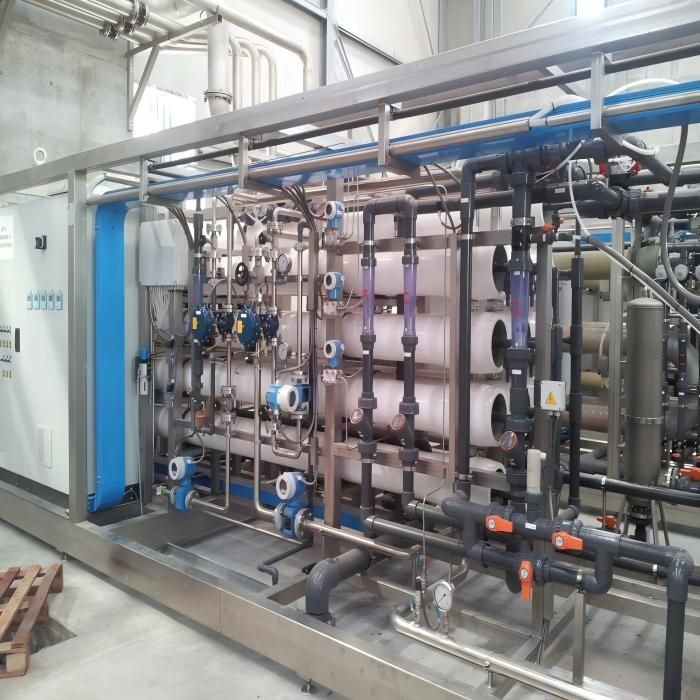
Now, as a Biogas Sewage Treatment supplier, I know that having the right equipment is crucial for all these methods to work effectively. That's where Ancillary Equipment for Biomass Gasification comes in. This equipment helps support the main treatment process. It can ensure that the physical, chemical, and biological methods work smoothly. And of course, our Biogas Sewage Treatment systems are designed to handle the removal of pesticides and other contaminants.
When you're dealing with sewage that has pesticides, it's not just about removing the pesticides. It's also about making sure the whole treatment process is efficient and sustainable. Our systems are built with that in mind. They're designed to maximize biogas production while minimizing the environmental impact.
If you're facing the problem of pesticides in your sewage and are looking for a reliable solution, we're here to help. Whether you're a farm, a food processing plant, or any other business that generates sewage with pesticides, our biogas sewage treatment solutions can meet your needs.
We understand that every situation is different. That's why we offer customized solutions. Our team of experts can analyze your sewage, understand the type and concentration of pesticides, and then design a treatment plan just for you.
So, if you're interested in learning more about how we can help you remove pesticides in your biogas sewage treatment, don't hesitate to get in touch. We're ready to have a detailed discussion with you, answer all your questions, and provide you with a quote. Let's work together to make your sewage treatment more effective and environmentally friendly.

References
- Metcalf, G. T., & Eddy, H. (2003). Wastewater Engineering: Treatment and Reuse. McGraw - Hill.
- Rittmann, B. E., & McCarty, P. L. (2001). Environmental Biotechnology: Principles and Applications. McGraw - Hill.
- Singh, B. K., & Walker, A. (2006). Microbial degradation of pesticides. FEMS Microbiology Reviews, 30(2), 428 - 471.


