

As a supplier specializing in Biogas Sewage Treatment, I've witnessed firsthand the transformative role of gas collection systems in the realm of biogas sewage treatment. These systems are not just add - ons; they are integral components that significantly influence the efficiency, environmental impact, and economic viability of the entire treatment process.
1. Enhancement of Treatment Efficiency
Gas collection systems play a pivotal role in optimizing the efficiency of biogas sewage treatment. In a typical biogas sewage treatment plant, anaerobic digestion is the core process where microorganisms break down organic matter in the sewage under oxygen - free conditions. During this process, biogas, mainly composed of methane and carbon dioxide, is produced.
A well - designed gas collection system ensures that the biogas is captured promptly and efficiently. By removing the biogas from the digestion tank, it prevents the accumulation of gas, which could otherwise create excessive pressure and disrupt the anaerobic environment. This pressure regulation maintains the optimal conditions for the growth and activity of anaerobic microorganisms, leading to a more stable and efficient digestion process.
For instance, in large - scale sewage treatment facilities, where thousands of cubic meters of sewage are processed daily, a reliable gas collection system can increase the digestion rate by up to 30%. This means that more organic matter can be broken down in a shorter period, reducing the retention time of sewage in the treatment plant and increasing the overall throughput.
2. Environmental Benefits
The environmental impact of gas collection systems in biogas sewage treatment is substantial. Methane, a major component of biogas, is a potent greenhouse gas with a global warming potential 25 times higher than that of carbon dioxide over a 100 - year period. If not properly captured, methane will be released into the atmosphere, contributing significantly to climate change.
A gas collection system effectively captures the methane produced during sewage treatment. Once collected, the biogas can be used as a renewable energy source. It can be burned to generate electricity, heat, or even be upgraded to biomethane for use as a vehicle fuel. By utilizing biogas, we are not only reducing methane emissions but also displacing the use of fossil fuels.
In some regions, biogas from sewage treatment plants has been used to power local communities. For example, a sewage treatment plant in a small town installed a high - quality gas collection system and now provides electricity to over 500 households. This not only reduces the town's carbon footprint but also promotes the development of a circular economy, where waste is transformed into a valuable resource.

3. Economic Advantages
From an economic perspective, gas collection systems offer several benefits. Firstly, the captured biogas can be sold as an energy product. In the energy market, biogas has a competitive price, especially as the demand for renewable energy sources continues to grow. For a biogas sewage treatment supplier, this means an additional revenue stream.
Secondly, gas collection systems can reduce the operating costs of sewage treatment plants. By using biogas for on - site energy needs, such as heating the digestion tanks or powering the pumps, the plant can reduce its reliance on grid - electricity or fossil fuels. This leads to significant cost savings in the long run.
Moreover, many governments around the world offer incentives for the production and use of renewable energy. Biogas production from sewage treatment is often eligible for these incentives, such as feed - in tariffs or tax credits. These financial incentives can further improve the economic viability of biogas sewage treatment projects.
4. Impact on System Longevity and Maintenance
A proper gas collection system also has a positive impact on the longevity and maintenance requirements of the biogas sewage treatment facilities. When biogas is collected efficiently, it reduces the corrosion and wear on the equipment in the treatment plant. Methane and other gases in biogas can be corrosive to the metal components of the digestion tanks, pipes, and valves. By removing these gases promptly, the gas collection system helps to extend the service life of the equipment.
In addition, a well - functioning gas collection system makes maintenance easier. It allows for regular monitoring of the gas production and quality, which can help detect potential problems in the treatment process early. For example, a sudden drop in gas production may indicate a malfunction in the digestion process or a leak in the gas collection system. Early detection enables timely maintenance, preventing more serious and costly breakdowns.
5. Role of Ancillary Equipment
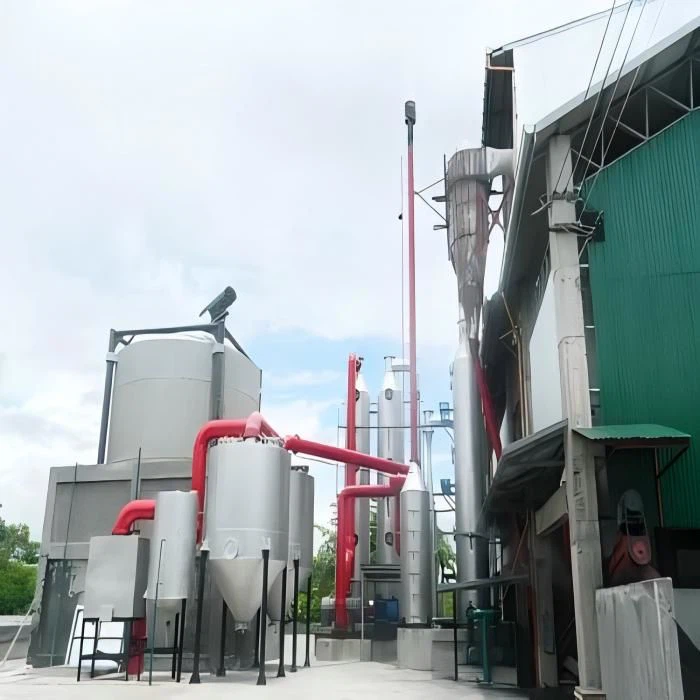
Ancillary equipment is closely related to gas collection systems in biogas sewage treatment. Ancillary Equipment for Biomass Gasification such as gas compressors, filters, and desulfurization units are essential for ensuring the quality and usability of the collected biogas.
Gas compressors are used to increase the pressure of the biogas, making it easier to store and transport. Filters remove impurities and particulate matter from the biogas, protecting the downstream equipment from damage. Desulfurization units remove hydrogen sulfide, a corrosive and toxic gas present in biogas, which can damage engines and other equipment.
The integration of these ancillary equipment with the gas collection system is crucial for the overall performance of the biogas sewage treatment plant. A comprehensive solution that includes both the gas collection system and the ancillary equipment can provide a more reliable and efficient biogas production process.
Contact for Procurement
If you are interested in improving your biogas sewage treatment process or are in the market for high - quality gas collection systems and related ancillary equipment, we are here to help. As a leading supplier in the field of Biogas Sewage Treatment, we have a team of experts who can provide customized solutions based on your specific needs. Whether you are running a small - scale sewage treatment plant or a large industrial facility, we can offer the right products and services to optimize your treatment process. Reach out to us to start a discussion about how we can work together to achieve your goals in biogas sewage treatment.
References
- Chynoweth, D. P., Pullammanappallil, P., & Daniels, W. L. (2001). Biogas production from anaerobic digestion. Handbook of biomass Dowling, M. (2008). The potential of biogas from sewage sludge. Water Science and Technology, 57(11), 1709 - 1715.
- Rajagopal, R., & Berndes, G. (2012). Anaerobic digestion of energy crops, organic wastes, and residues for biogas production - a review. Biofuels, Bioproducts and Biorefining, 6(1), 79 - 106.


