

Hey there! As a supplier of sewage treatment equipment, I've seen firsthand the ins and outs of what makes these systems tick. In this blog, I'll break down the factors that can affect the performance of sewage treatment equipment.
1. Quality of Incoming Sewage
The first and most obvious factor is the quality of the sewage that enters the treatment system. Sewage can vary widely in terms of its composition, and this has a big impact on how well the equipment can do its job.
Chemical Composition
Sewage contains a mix of organic and inorganic substances. High levels of heavy metals, such as lead, mercury, or cadmium, can be particularly problematic. These metals can damage the biological processes in the treatment system. For example, they can inhibit the growth of beneficial bacteria that are essential for breaking down organic matter.
Also, if the sewage has a high concentration of chemicals like pesticides or industrial solvents, it can disrupt the normal functioning of the treatment equipment. These chemicals might not break down easily and can accumulate in the system over time, leading to reduced efficiency.
Physical Characteristics
The physical state of the sewage matters too. If there are large solid particles, like rocks, sticks, or pieces of plastic, they can clog pipes and pumps in the treatment plant. This not only reduces the flow rate but can also cause mechanical damage to the equipment. On the other hand, if the sewage is too thin or has a very low solids content, it might not provide enough substrate for the biological treatment processes to work effectively.
2. Design and Capacity of the Equipment
The design of the sewage treatment equipment plays a crucial role in its performance. Different treatment processes are suitable for different types of sewage and treatment goals.
Treatment Processes
There are various treatment processes available, such as activated sludge process, trickling filters, and Biogas Sewage Treatment. Each process has its own advantages and limitations. For example, the activated sludge process is very effective at removing organic matter but requires a lot of energy to operate. Trickling filters, on the other hand, are more low - maintenance but might not be as efficient in treating high - strength sewage.
The choice of treatment process should be based on the characteristics of the incoming sewage and the desired quality of the treated effluent. If the wrong process is selected, the equipment might not be able to achieve the required treatment standards.
Capacity
The capacity of the equipment is also important. If the equipment is undersized for the volume of sewage it needs to treat, it will be overloaded. This can lead to incomplete treatment, as the system simply doesn't have enough time or resources to process all the sewage properly. On the other hand, an oversized system can be a waste of resources, as it will consume more energy and require more maintenance than necessary.
3. Maintenance and Operation
Proper maintenance and operation are essential for the long - term performance of sewage treatment equipment.
Regular Maintenance
Regular maintenance tasks, such as cleaning, lubricating, and replacing worn - out parts, are crucial. For example, the filters in the treatment system need to be cleaned or replaced regularly to prevent clogging. The pumps and motors also need to be inspected for signs of wear and tear and serviced as needed. If maintenance is neglected, small problems can quickly turn into major breakdowns, which can disrupt the treatment process and lead to environmental pollution.
Operator Training
The operators of the sewage treatment equipment also play a key role. They need to be properly trained to understand how the equipment works and how to operate it safely and efficiently. For example, they should know how to adjust the flow rates, chemical dosages, and aeration levels to optimize the treatment process. Untrained operators might make mistakes that can reduce the performance of the equipment or even cause damage.
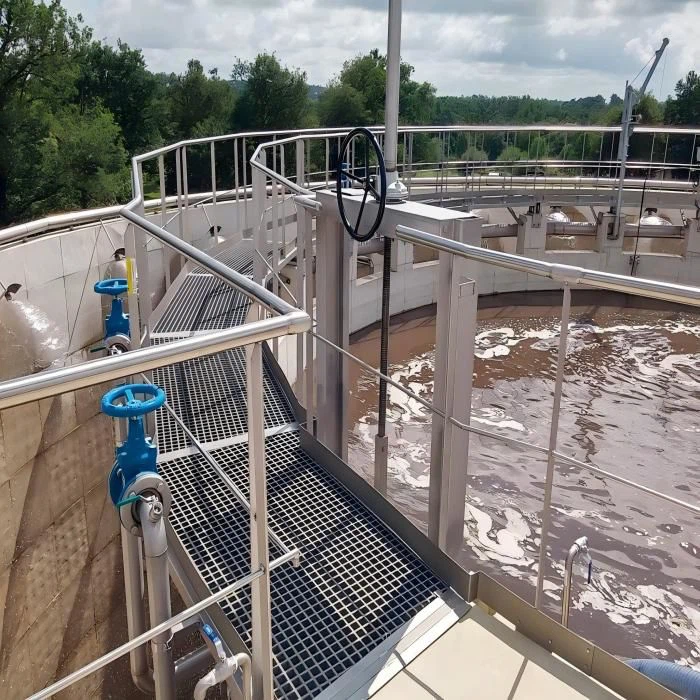

4. Environmental Conditions
The environmental conditions in which the sewage treatment equipment operates can also affect its performance.
Temperature
Temperature has a significant impact on the biological processes in sewage treatment. Most of the beneficial bacteria that break down organic matter in the sewage are sensitive to temperature. In cold temperatures, the metabolic rate of these bacteria slows down, which can reduce the efficiency of the treatment process. On the other hand, extremely high temperatures can also be harmful, as they can kill the bacteria.
Humidity
High humidity can cause corrosion of the metal parts of the equipment. This can weaken the structural integrity of the equipment and lead to leaks or other mechanical failures. In addition, humidity can also affect the performance of electrical components, increasing the risk of short - circuits and other electrical problems.
5. Availability of Ancillary Equipment
Ancillary equipment, such as pumps, valves, and sensors, is essential for the proper functioning of the sewage treatment system.
Pumps
Pumps are used to move the sewage through the treatment plant. If the pumps are not working properly, the flow of sewage can be disrupted. For example, if a pump has a low flow rate, it can cause sewage to back up in the system, leading to reduced treatment efficiency.
Valves
Valves are used to control the flow of sewage and chemicals in the treatment plant. Malfunctioning valves can lead to incorrect flow rates or chemical dosages, which can affect the treatment process.
Sensors
Sensors are used to monitor various parameters in the treatment system, such as pH, dissolved oxygen, and temperature. If the sensors are not accurate or are not working properly, the operators might not have the correct information to make adjustments to the treatment process. You can find more about Ancillary Equipment for Biomass Gasification on our website.
Conclusion
As you can see, there are many factors that can affect the performance of sewage treatment equipment. From the quality of the incoming sewage to the environmental conditions and the availability of ancillary equipment, every aspect needs to be carefully considered.
At our company, we understand these factors and are committed to providing high - quality sewage treatment equipment that is designed to perform well under a variety of conditions. If you're in the market for sewage treatment equipment or have any questions about how to improve the performance of your existing system, don't hesitate to get in touch. We'd be happy to have a chat with you and see how we can help you meet your sewage treatment needs.
References
- Metcalf & Eddy. (2003). Wastewater Engineering: Treatment and Reuse. McGraw - Hill.
- Tchobanoglous, G., Burton, F. L., & Stensel, H. D. (2003). Wastewater Engineering: Treatment, Disposal, and Reuse. Pearson Education.


