

Sewage treatment is a crucial process for maintaining environmental health and public safety. In the sewage treatment equipment we supply, disinfection units play a vital role. This blog post will delve into the various functions of disinfection units in sewage treatment equipment, highlighting their significance in the overall treatment process.
1. Elimination of Pathogens
One of the primary functions of disinfection units in sewage treatment equipment is the elimination of pathogens. Sewage contains a wide range of harmful microorganisms, including bacteria, viruses, and protozoa. These pathogens can cause various diseases such as cholera, typhoid, hepatitis, and dysentery if they are not properly removed from the sewage before it is discharged into the environment or reused.

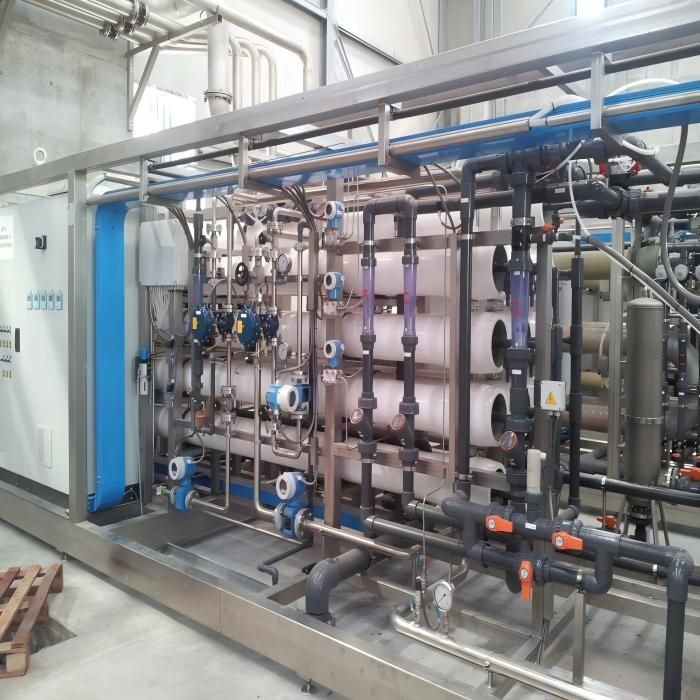
Disinfection units use different methods to kill or inactivate these pathogens. For example, chlorine-based disinfection is one of the most commonly used methods. Chlorine can react with the cell walls and enzymes of microorganisms, disrupting their normal metabolic processes and ultimately leading to their death. Ultraviolet (UV) disinfection is another effective method. UV light can damage the DNA of pathogens, preventing them from reproducing and causing infections. Ozone disinfection is also popular due to its strong oxidizing properties, which can rapidly destroy the cell membranes of microorganisms.
By effectively eliminating pathogens, disinfection units ensure that the treated sewage meets the required health and safety standards. This is especially important for applications such as water reuse in irrigation or industrial processes, where the presence of pathogens could pose a significant risk to human health and the environment.
2. Odor Control
Sewage often emits unpleasant odors due to the presence of organic compounds and sulfur-containing substances. These odors can be a nuisance to nearby residents and workers and can also indicate the presence of potentially harmful substances. Disinfection units can play a role in odor control by oxidizing or breaking down the odor-causing compounds.
For instance, ozone, which is a powerful oxidant, can react with the organic and inorganic compounds responsible for the odors in sewage. It can convert these compounds into less odorous or odorless substances. Chlorine can also help in reducing odors by reacting with the sulfur-containing compounds in sewage, such as hydrogen sulfide, which is a major contributor to the characteristic sewage smell.
In addition to improving the working environment around the sewage treatment facilities, odor control also helps in minimizing the environmental impact of sewage treatment. By reducing the emission of foul odors, the treatment plants can be more acceptable to the local community and comply with environmental regulations regarding odor emissions.
3. Prevention of Biofouling
Biofouling is a common problem in sewage treatment equipment. It occurs when microorganisms attach themselves to the surfaces of pipes, tanks, and other equipment components, forming a biofilm. This biofilm can reduce the efficiency of the equipment by clogging pipes, reducing the flow rate of sewage, and increasing the energy consumption required for pumping and treatment.
Disinfection units can prevent biofouling by killing the microorganisms before they have a chance to attach to the equipment surfaces. Regular disinfection can keep the surfaces of the equipment clean and free from biofilm formation. For example, in membrane filtration systems, which are widely used in sewage treatment, biofouling can significantly reduce the membrane's lifespan and performance. Disinfection can help maintain the integrity and efficiency of the membranes, ensuring the long - term operation of the treatment system.
4. Enhancement of Water Quality
Disinfection units contribute to the overall enhancement of water quality in the treated sewage. In addition to removing pathogens, they can also reduce the levels of other contaminants. For example, some disinfection methods can oxidize heavy metals and organic pollutants, making them easier to remove through subsequent treatment processes.
Moreover, disinfection can improve the aesthetic qualities of the treated water. It can reduce the color and turbidity of the water, making it more visually appealing. This is important for applications where the treated sewage is intended for reuse, such as in landscape irrigation or industrial cooling, where clear and clean water is preferred.
5. Compliance with Regulations
Environmental regulations regarding sewage treatment are becoming increasingly strict around the world. These regulations set limits on the levels of pathogens, contaminants, and other parameters in the treated sewage that can be discharged into the environment. Disinfection units are essential for sewage treatment facilities to comply with these regulations.
By effectively disinfecting the sewage, the treatment plants can ensure that the discharged water meets the required standards for chemical and microbiological quality. Failure to comply with these regulations can result in significant fines and legal consequences for the treatment facilities. Therefore, investing in high - quality disinfection units is not only a matter of environmental responsibility but also a legal requirement for sewage treatment operations.
Our Sewage Treatment Equipment and Disinfection Units
As a leading sewage treatment equipment supplier, we offer a wide range of disinfection units that are designed to meet the diverse needs of our customers. Our disinfection units are equipped with the latest technologies and are built to be reliable, efficient, and cost - effective.
We also provide ancillary equipment for the disinfection process, such as Ancillary Equipment for Biomass Gasification, which can support the overall sewage treatment system. In addition, our Biogas Sewage Treatment solutions can work in conjunction with the disinfection units to provide a comprehensive sewage treatment solution.
If you are in the market for sewage treatment equipment with high - performance disinfection units, we encourage you to contact us for a detailed consultation. Our team of experts can help you select the most suitable equipment for your specific requirements and provide you with professional installation, maintenance, and after - sales services.
Conclusion
In conclusion, disinfection units are an indispensable part of sewage treatment equipment. They perform multiple functions, including pathogen elimination, odor control, prevention of biofouling, enhancement of water quality, and compliance with regulations. As a sewage treatment equipment supplier, we are committed to providing our customers with the best - in - class disinfection units and comprehensive sewage treatment solutions. If you are interested in learning more about our products or have any questions regarding sewage treatment, please do not hesitate to contact us for procurement and further discussions.
References
- Metcalf & Eddy. (2014). Wastewater Engineering: Treatment and Resource Recovery. McGraw - Hill Education.
- Tchobanoglous, G., Burton, F. L., & Stensel, H. D. (2003). Wastewater Engineering: Treatment, Disposal, and Reuse. Pearson Education.


