

Hey there! As a supplier of sewage treatment equipment, I often get asked about the installation steps of this equipment. So, I thought I'd share a detailed guide with you all.
1. Site Preparation
First things first, you gotta pick the right spot for your sewage treatment equipment. The area should be flat and well - drained. You don't want water pooling around the equipment, as it can cause all sorts of problems like corrosion.
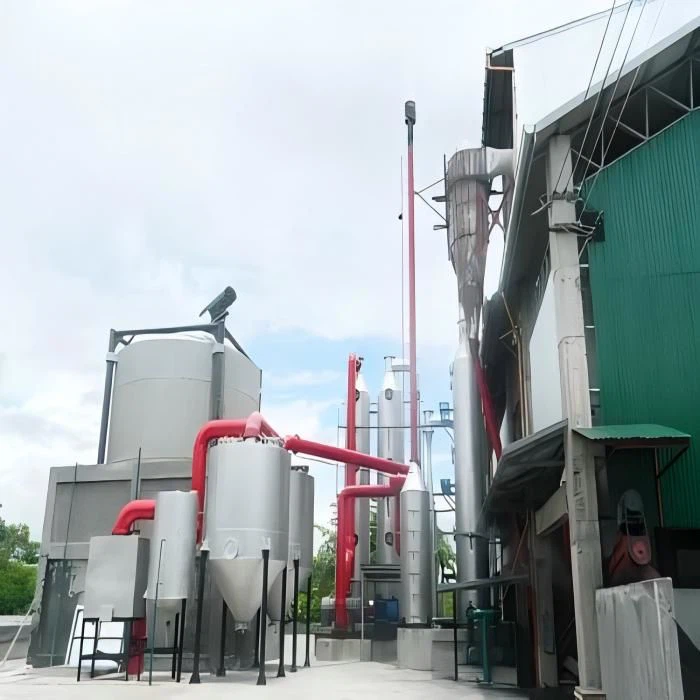
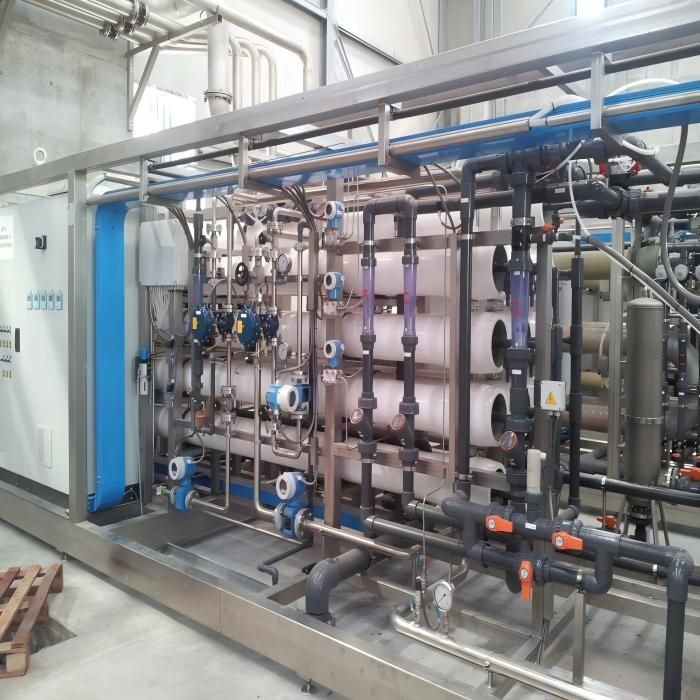
Measure the area to make sure it's big enough for the equipment. You need to account for not just the size of the main unit but also some extra space for easy access during maintenance. Clear the site of any debris, rocks, or vegetation. This ensures a stable base for the installation.
2. Equipment Delivery and Inspection
Once the site is ready, it's time for the equipment to arrive. When it gets delivered, do a thorough inspection. Check for any visible damage during transit. Look at the parts, pipes, and electrical components. If you notice anything wrong, contact us right away. We'll sort it out for you.
It's also a good idea to have all the necessary tools and materials ready at this stage. You'll need things like wrenches, screwdrivers, and maybe some sealants.
3. Foundation Installation
Most sewage treatment equipment needs a solid foundation. If it's a small - scale unit, a simple concrete pad might do the trick. For larger equipment, you may need a more elaborate foundation.
Follow the manufacturer's instructions carefully when pouring the concrete. Make sure it's level and has the right thickness. After the concrete is poured, let it cure properly. This usually takes a few days, depending on the weather conditions.
4. Assembly of the Equipment
Now comes the fun part - putting the equipment together. Start by unpacking all the components and laying them out in an organized way. Follow the assembly manual step by step.
Connect the pipes according to the diagram. Make sure the connections are tight and sealed properly. You don't want any leaks, as that can lead to inefficiencies and environmental issues.
If there are electrical components, be extra careful. It's best to have a qualified electrician handle the wiring. They'll ensure that everything is connected safely and in line with local electrical codes.
5. Installation of Biogas Sewage Treatment (Optional)
Some of our sewage treatment equipment comes with a Biogas Sewage Treatment option. If you've opted for this, it adds an extra step to the installation process.
Install the biogas collection system. This includes pipes for collecting the biogas and a storage tank. Make sure the system is air - tight to prevent any biogas from escaping.
The biogas can be used for various purposes, like heating or generating electricity. It's a great way to make your sewage treatment more sustainable.
6. Installation of Ancillary Equipment for Biomass Gasification (Optional)
For those who are looking for more advanced solutions, we also offer Ancillary Equipment for Biomass Gasification. If you've chosen this option, install the ancillary equipment next.
This equipment helps in the gasification process, which can further enhance the treatment efficiency. Connect it to the main sewage treatment unit and follow the specific installation instructions for this equipment.
7. Testing and Commissioning
Once the equipment is fully assembled, it's time to test it. Fill the system with water and check for any leaks. Run the pumps and other mechanical components to make sure they're working properly.
Check the electrical systems to ensure that all the sensors and controls are functioning as they should. Monitor the water flow and the treatment process. Make any necessary adjustments to optimize the performance.
8. Training and Handover
After the equipment is successfully tested, we'll provide training to your staff. We'll show them how to operate the equipment, how to perform routine maintenance, and what to do in case of any emergencies.
Once the training is complete, we'll hand over the equipment to you. You're now ready to start treating sewage effectively.
Why Choose Our Sewage Treatment Equipment?
Our equipment is designed with the latest technology. It's efficient, reliable, and environmentally friendly. We offer a wide range of options to suit different needs and budgets.
Whether you're a small business or a large industrial facility, we have the right solution for you. Our team of experts is always available to provide support and advice.
Contact Us for Procurement and洽谈
If you're interested in purchasing our sewage treatment equipment, or if you have any questions about the installation process, don't hesitate to get in touch. We're here to help you every step of the way.
References
- Manufacturer's installation manuals for sewage treatment equipment
- Local building and electrical codes
So, that's the lowdown on the installation steps of sewage treatment equipment. I hope this guide has been helpful to you. If you have any more questions, feel free to drop them in the comments below.


