

As a provider of sewage treatment equipment, I often encounter questions from clients regarding the requirements for the water source of sewage treatment equipment operation. Understanding these requirements is crucial for the efficient and effective functioning of the equipment, as well as for achieving the desired treatment results. In this blog post, I will delve into the key factors that determine the suitability of a water source for sewage treatment equipment and provide insights on how to ensure optimal performance.
Physical Characteristics of the Water Source
The physical characteristics of the water source play a significant role in the operation of sewage treatment equipment. These characteristics include temperature, flow rate, and turbidity.
- Temperature: The temperature of the water source can affect the biological processes that occur within the sewage treatment system. Most biological treatment processes, such as activated sludge and anaerobic digestion, are temperature-sensitive and perform best within a specific temperature range. For example, the optimal temperature for activated sludge processes is typically between 20°C and 30°C. If the water temperature is too low, the biological activity may slow down, leading to reduced treatment efficiency. On the other hand, if the temperature is too high, it can cause the death of beneficial microorganisms and disrupt the treatment process. Therefore, it is important to monitor and control the temperature of the water source to ensure that it remains within the optimal range for the specific treatment process being used.
- Flow Rate: The flow rate of the water source refers to the volume of water that passes through the sewage treatment equipment per unit of time. It is essential to match the flow rate of the water source with the capacity of the treatment equipment. If the flow rate is too high, the treatment equipment may become overwhelmed, leading to incomplete treatment and poor effluent quality. Conversely, if the flow rate is too low, the treatment process may not be able to operate efficiently, resulting in increased energy consumption and longer treatment times. Therefore, it is important to accurately measure the flow rate of the water source and select sewage treatment equipment that is capable of handling the expected flow.
- Turbidity: Turbidity is a measure of the cloudiness or haziness of the water caused by the presence of suspended particles. High turbidity can interfere with the operation of sewage treatment equipment by clogging filters, reducing the efficiency of disinfection processes, and affecting the performance of biological treatment systems. Therefore, it is important to pre-treat the water source to remove or reduce the turbidity before it enters the treatment equipment. This can be achieved through processes such as sedimentation, filtration, and coagulation.
Chemical Composition of the Water Source
The chemical composition of the water source is another important factor to consider when operating sewage treatment equipment. The presence of certain chemicals can have a significant impact on the treatment process and the quality of the treated water.
- pH: The pH of the water source refers to its acidity or alkalinity. Most sewage treatment processes operate best within a specific pH range. For example, the optimal pH for activated sludge processes is typically between 6.5 and 8.5. If the pH of the water source is outside this range, it can affect the growth and activity of beneficial microorganisms, leading to reduced treatment efficiency. Therefore, it is important to monitor and adjust the pH of the water source as needed to ensure that it remains within the optimal range for the specific treatment process being used.
- Nutrients: The water source may contain various nutrients, such as nitrogen and phosphorus, which are essential for the growth of microorganisms in the sewage treatment system. However, excessive amounts of nutrients can also cause problems, such as eutrophication in receiving waters. Therefore, it is important to control the concentration of nutrients in the water source to ensure that they are within the acceptable limits for the treatment process and the environment. This can be achieved through processes such as biological nutrient removal and chemical precipitation.
- Heavy Metals and Toxic Substances: The presence of heavy metals and toxic substances in the water source can have a detrimental effect on the operation of sewage treatment equipment and the health of the environment. These substances can inhibit the growth and activity of beneficial microorganisms, damage treatment equipment, and pose a risk to human health if they are not properly removed. Therefore, it is important to test the water source for the presence of heavy metals and toxic substances and implement appropriate treatment processes to remove or reduce their concentration. This can include processes such as adsorption, ion exchange, and membrane filtration.
Microbiological Quality of the Water Source
The microbiological quality of the water source is a critical factor in the operation of sewage treatment equipment. The presence of pathogenic microorganisms, such as bacteria, viruses, and parasites, can pose a significant health risk to humans and the environment if they are not properly removed or inactivated during the treatment process.
- Pathogenic Microorganisms: Pathogenic microorganisms can cause a variety of diseases, including diarrhea, hepatitis, and cholera. Therefore, it is essential to ensure that the sewage treatment equipment is capable of effectively removing or inactivating these microorganisms to produce safe and clean treated water. This can be achieved through processes such as disinfection, which uses chemicals or physical methods to kill or inactivate the microorganisms.
- Indicator Organisms: Indicator organisms, such as coliform bacteria, are commonly used to assess the microbiological quality of the water source and the effectiveness of the sewage treatment process. The presence of indicator organisms in the treated water indicates that the treatment process may not have been effective in removing or inactivating the pathogenic microorganisms. Therefore, it is important to regularly monitor the presence of indicator organisms in the water source and the treated water to ensure that the treatment process is operating effectively.
Importance of Monitoring and Maintenance
Monitoring and maintenance are essential for ensuring the proper operation of sewage treatment equipment and the quality of the treated water. Regular monitoring of the physical, chemical, and microbiological characteristics of the water source and the treated water can help to identify any potential problems or issues before they become serious. This allows for timely adjustments to be made to the treatment process and the equipment to ensure optimal performance.
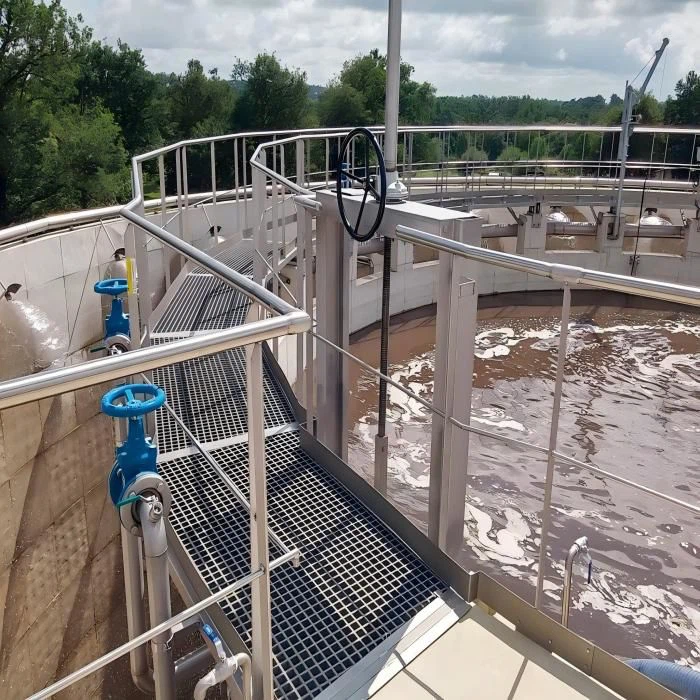

In addition to monitoring, regular maintenance of the sewage treatment equipment is also crucial. This includes tasks such as cleaning, lubricating, and replacing worn or damaged parts. Proper maintenance can help to extend the lifespan of the equipment, reduce the risk of breakdowns, and ensure that the treatment process is operating efficiently.
Conclusion
In conclusion, the requirements for the water source of sewage treatment equipment operation are complex and multifaceted. Physical characteristics such as temperature, flow rate, and turbidity, chemical composition including pH, nutrients, heavy metals, and toxic substances, and microbiological quality all play important roles in the efficient and effective functioning of the equipment. By understanding these requirements and taking appropriate measures to ensure that the water source meets them, we can achieve optimal treatment results and protect the environment and public health.
As a sewage treatment equipment provider, we offer a wide range of solutions to meet the diverse needs of our clients. Our Biogas Sewage Treatment systems are designed to efficiently treat sewage while producing biogas, a renewable energy source. Additionally, our Ancillary Equipment for Biomass Gasification can enhance the performance of your sewage treatment processes.
If you are interested in learning more about our sewage treatment equipment or have specific requirements for your water source, we encourage you to contact us for a consultation. Our team of experts will be happy to assist you in selecting the most suitable equipment and providing guidance on its operation and maintenance.
References
- Metcalf & Eddy. (2003). Wastewater Engineering: Treatment and Reuse. McGraw-Hill.
- Tchobanoglous, G., Burton, F. L., & Stensel, H. D. (2003). Wastewater Engineering: Treatment, Disposal, and Reuse. Pearson Education.
- USEPA. (2012). Wastewater Technology Fact Sheet: Activated Sludge Process. United States Environmental Protection Agency.


