

Safety is of paramount importance in any industrial process, and biogas sewage treatment is no exception. As a leading supplier of Biogas Sewage Treatment, I understand the critical role that safety precautions play in ensuring the smooth and secure operation of biogas sewage treatment facilities. In this blog post, I will share some of the key safety measures that should be implemented in biogas sewage treatment to protect workers, the environment, and the overall integrity of the system.
1. Hazard Identification and Risk Assessment
The first step in establishing effective safety precautions is to conduct a comprehensive hazard identification and risk assessment. Biogas sewage treatment involves several potential hazards, including the presence of toxic gases, flammable substances, electrical hazards, and mechanical risks. By identifying these hazards and assessing the associated risks, appropriate control measures can be developed and implemented.
For example, biogas is primarily composed of methane, a highly flammable gas. Methane can accumulate in confined spaces, such as digesters and storage tanks, and pose a significant explosion risk. Therefore, it is essential to install gas detection systems to monitor methane levels continuously and to ensure proper ventilation in these areas. Additionally, all electrical equipment used in the biogas treatment process should be explosion-proof to prevent ignition of the gas.
2. Personal Protective Equipment (PPE)
Personal protective equipment is a fundamental aspect of safety in biogas sewage treatment. Workers should be provided with appropriate PPE, including safety glasses, gloves, respirators, and protective clothing, depending on the specific tasks they are performing. For instance, when handling sewage or working in areas with a high risk of exposure to chemicals, workers should wear chemical-resistant gloves and suits to protect their skin and eyes.
Respirators are particularly important when working in areas where there is a risk of inhaling toxic gases or dust. Different types of respirators are available, and the selection should be based on the specific contaminants present and the level of protection required. Regular training on the proper use, maintenance, and storage of PPE should be provided to all workers to ensure its effectiveness.
3. Training and Education
Proper training and education are crucial for ensuring that workers understand the potential hazards associated with biogas sewage treatment and know how to implement the necessary safety precautions. All employees should receive comprehensive training on safety procedures, emergency response plans, and the proper use of equipment.
Training should cover topics such as the properties and hazards of biogas and sewage, the operation and maintenance of treatment equipment, and the correct use of PPE. In addition, regular refresher courses should be provided to keep workers updated on the latest safety practices and regulations. Workers should also be trained to recognize the signs of potential safety hazards and to take appropriate action to prevent accidents.
4. Equipment Maintenance and Inspection
Regular maintenance and inspection of biogas sewage treatment equipment are essential for ensuring its safe and efficient operation. Equipment that is not properly maintained can malfunction, leading to leaks, spills, or other safety incidents. Therefore, a preventive maintenance program should be established to ensure that all equipment is inspected, serviced, and repaired on a regular basis.
Inspections should include checks for leaks, corrosion, and proper functioning of safety devices, such as pressure relief valves and gas detectors. Any equipment that is found to be in poor condition should be repaired or replaced immediately. In addition, all maintenance and inspection activities should be documented to provide a record of the equipment's history and to ensure compliance with safety regulations.
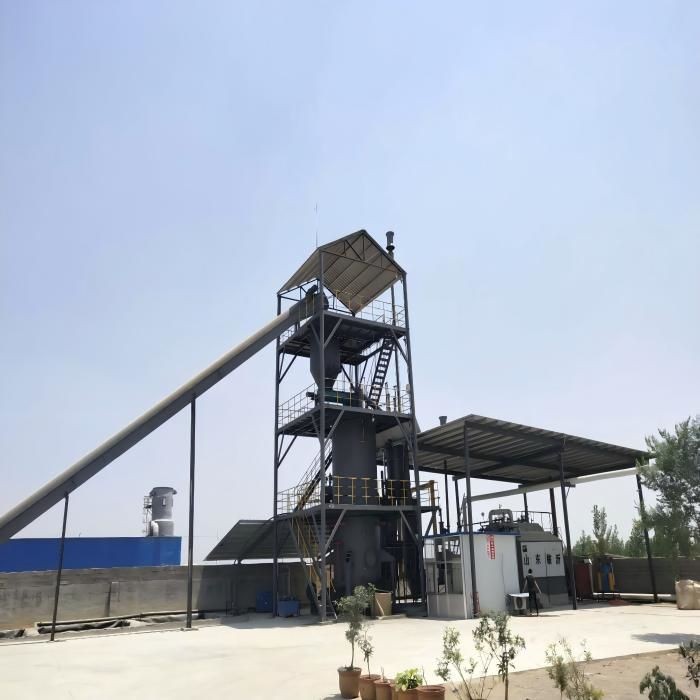

5. Emergency Response Planning
Despite the implementation of safety precautions, emergencies can still occur in biogas sewage treatment facilities. Therefore, it is essential to have a well-developed emergency response plan in place to minimize the impact of these incidents. The emergency response plan should include procedures for responding to fires, explosions, gas leaks, spills, and other emergencies.
The plan should identify the roles and responsibilities of all employees in the event of an emergency, as well as the location and use of emergency equipment, such as fire extinguishers, emergency showers, and eyewash stations. Regular emergency drills should be conducted to ensure that all workers are familiar with the emergency response procedures and can respond quickly and effectively in an emergency situation.
6. Environmental Protection
Biogas sewage treatment can have a significant impact on the environment if not properly managed. Therefore, it is important to implement measures to protect the environment from potential pollution. This includes proper handling and disposal of sewage sludge, as well as the prevention of gas emissions and water pollution.
Sewage sludge should be treated and disposed of in accordance with local regulations to prevent the release of harmful substances into the environment. In addition, measures should be taken to reduce the emission of greenhouse gases, such as methane, from biogas treatment facilities. This can be achieved through the use of gas capture and utilization systems, as well as the optimization of the treatment process to improve efficiency.
7. Ancillary Equipment Safety
In addition to the main biogas sewage treatment equipment, ancillary equipment, such as pumps, valves, and pipes, also plays a crucial role in the safety and operation of the system. Ancillary Equipment for Biomass Gasification should be selected and installed in accordance with safety standards to ensure its reliability and performance.
Regular inspection and maintenance of ancillary equipment are also necessary to prevent leaks, blockages, and other malfunctions. Workers should be trained on the proper operation and maintenance of this equipment to ensure its safe and efficient use.
Conclusion
Safety is a top priority in biogas sewage treatment. By implementing the safety precautions outlined in this blog post, biogas sewage treatment facilities can minimize the risk of accidents, protect workers and the environment, and ensure the long-term success of the operation. As a supplier of biogas sewage treatment equipment, I am committed to providing high-quality products and services that meet the highest safety standards.
If you are interested in learning more about our Biogas Sewage Treatment solutions or have any questions about safety in biogas sewage treatment, please do not hesitate to contact us. We are here to help you ensure the safe and efficient operation of your biogas sewage treatment facility.
References
- Occupational Safety and Health Administration (OSHA). (n.d.). Biogas safety. Retrieved from [OSHA website]
- Environmental Protection Agency (EPA). (n.d.). Sewage treatment and disposal. Retrieved from [EPA website]
- International Organization for Standardization (ISO). (n.d.). ISO standards for biogas production and treatment. Retrieved from [ISO website]


