

Waste heat recovery is a crucial aspect of energy management, especially for small - scale industries. These industries often generate a significant amount of waste heat during their production processes, which is typically released into the environment without being utilized. As a supplier of Waste Heat Recovery Systems, I am well - versed in the various options available for small - scale industries to capture and reuse this wasted energy. In this blog, I will explore the different waste heat recovery options suitable for small - scale industries, discussing their benefits, limitations, and potential applications.
1. Thermoelectric Generators (TEGs)
Thermoelectric generators are solid - state devices that convert heat directly into electricity through the Seebeck effect. In small - scale industries, TEGs can be an attractive option for waste heat recovery, especially when the waste heat source has a relatively high temperature gradient.
One of the main advantages of TEGs is their simplicity and reliability. They have no moving parts, which means they require minimal maintenance and have a long lifespan. This is particularly beneficial for small - scale industries that may not have the resources or expertise to manage complex machinery. Additionally, TEGs can be easily integrated into existing industrial processes, as they can be designed to fit a variety of shapes and sizes.
However, TEGs also have some limitations. Their efficiency is relatively low compared to other power generation methods, typically ranging from 5% to 15%. This means that only a small portion of the waste heat can be converted into useful electricity. Moreover, the cost of TEGs can be relatively high, which may be a deterrent for some small - scale industries with limited budgets.
Despite these limitations, TEGs can still be a viable option for small - scale industries in certain applications. For example, in industries where there is a continuous and stable waste heat source, such as in some food processing or chemical manufacturing processes, TEGs can provide a reliable source of auxiliary power.
2. Organic Rankine Cycle (ORC) Systems
The Organic Rankine Cycle is a thermodynamic cycle similar to the traditional Rankine cycle used in steam power plants, but it uses an organic working fluid instead of water. ORC systems are well - suited for waste heat recovery in small - scale industries, especially when the waste heat source has a relatively low to medium temperature (between 80°C and 300°C).
One of the key advantages of ORC systems is their ability to operate at lower temperatures compared to steam - based Rankine cycles. This makes them suitable for recovering waste heat from a wide range of industrial processes, such as exhaust gases from boilers, furnaces, and engines. ORC systems can also achieve relatively high efficiencies, typically ranging from 10% to 20%, depending on the temperature of the waste heat source and the design of the system.
Another benefit of ORC systems is their flexibility. They can be designed to produce both electricity and heat, which can be used for various purposes within the industry, such as space heating, water heating, or process heating. This combined heat and power (CHP) capability can significantly improve the overall energy efficiency of the industry.
However, ORC systems also have some drawbacks. They are more complex than TEGs and require more maintenance. The organic working fluids used in ORC systems can be expensive and may have environmental concerns if not properly managed. Additionally, the initial investment cost for an ORC system can be relatively high, which may be a barrier for some small - scale industries.
3. Heat Exchangers
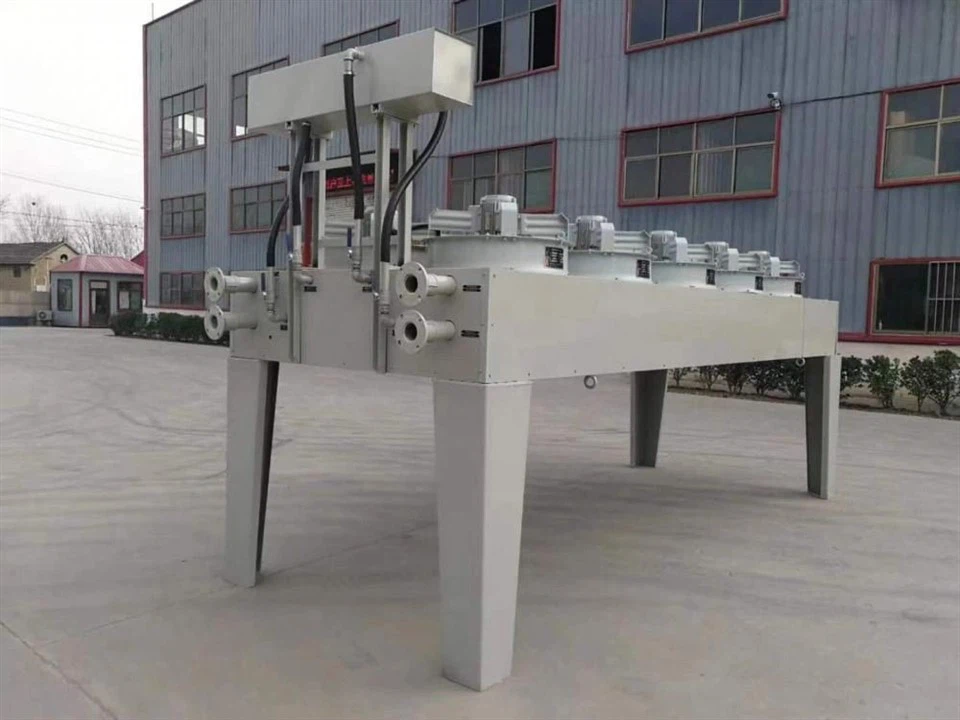
Heat exchangers are one of the most common and straightforward waste heat recovery options for small - scale industries. They work by transferring heat from a hot fluid (the waste heat source) to a cold fluid (the working fluid), which can then be used for various purposes.
There are several types of heat exchangers available, including shell - and - tube heat exchangers, plate heat exchangers, and finned - tube heat exchangers. Each type has its own advantages and disadvantages, and the choice of heat exchanger depends on factors such as the temperature and flow rate of the waste heat source, the type of working fluid, and the specific application.
The main advantage of heat exchangers is their simplicity and relatively low cost. They are easy to install and maintain, and they can be customized to fit the specific requirements of the industry. Heat exchangers can be used to pre - heat incoming fluids, such as combustion air or feedwater, which can reduce the energy consumption of the industry. They can also be used to heat water for process or domestic use.
However, heat exchangers also have some limitations. They can only transfer heat, not convert it into electricity. Additionally, the efficiency of heat exchangers depends on the temperature difference between the hot and cold fluids, and if the temperature difference is small, the heat transfer rate may be limited.
4. Adsorption and Absorption Cooling Systems
Adsorption and absorption cooling systems can be used to recover waste heat and convert it into cooling energy. These systems work by using a refrigerant and an adsorbent or absorbent material to create a cooling effect.
Adsorption cooling systems use a solid adsorbent material, such as silica gel or activated carbon, to adsorb and desorb the refrigerant. Absorption cooling systems, on the other hand, use a liquid absorbent, such as lithium bromide or ammonia, to absorb and release the refrigerant.
One of the main advantages of these systems is their ability to use low - grade waste heat, typically in the temperature range of 60°C to 120°C. This makes them suitable for recovering waste heat from industrial processes that generate relatively low - temperature waste heat, such as some textile or paper manufacturing processes.
Another benefit is that these systems can provide a cost - effective alternative to traditional vapor - compression cooling systems, especially in applications where there is a significant demand for cooling and a readily available waste heat source.
However, adsorption and absorption cooling systems also have some limitations. They have a relatively low coefficient of performance (COP) compared to vapor - compression cooling systems, which means they require more waste heat input to produce the same amount of cooling. Additionally, these systems can be more complex and require more maintenance than traditional cooling systems.
5. Use of Waste Heat for Process Heating
In many small - scale industries, waste heat can be directly used for process heating. For example, the waste heat from exhaust gases can be used to pre - heat raw materials, dry products, or heat reaction vessels.

This option is often the simplest and most cost - effective way to recover waste heat. It requires minimal additional equipment and can be easily integrated into existing industrial processes. By using waste heat for process heating, industries can reduce their reliance on external energy sources, such as natural gas or electricity, which can result in significant cost savings.
However, this option also has some limitations. The availability of waste heat must match the heating requirements of the process. If the waste heat source is intermittent or has a variable temperature, it may be difficult to use it effectively for process heating.
Conclusion
Small - scale industries have several waste heat recovery options available, each with its own advantages and limitations. As a supplier of Waste Heat Recovery Systems, I understand that the choice of the most suitable option depends on various factors, such as the type and temperature of the waste heat source, the energy requirements of the industry, and the available budget.
For industries looking for a simple and cost - effective solution, heat exchangers or direct use of waste heat for process heating may be the best choice. For those seeking to generate electricity or cooling from waste heat, thermoelectric generators, ORC systems, or adsorption/absorption cooling systems may be more appropriate.
If you are a small - scale industry interested in exploring waste heat recovery options, I encourage you to contact me for a detailed consultation. We can assess your specific situation and recommend the most suitable waste heat recovery system for your needs. Our company offers a range of high - quality waste heat recovery products, including Horizontal Remote Radiator, Power Transmission and Distribution System, and Remote Monitoring for Generator Sets. Let's work together to reduce your energy costs and environmental impact through efficient waste heat recovery.
References
- World Energy Council. (2019). Waste Heat Recovery: Unlocking the Potential.
- International Energy Agency. (2020). Technology Roadmap: Waste Heat Recovery.
- Kreith, F., & Goswami, D. Y. (2019). Principles of Heat Transfer. Cengage Learning.
- Stoecker, W. F., & Jones, J. W. (1982). Refrigeration and Air Conditioning. McGraw - Hill.


