

Can sewage treatment equipment be used in rural areas?
As a supplier of sewage treatment equipment, I've often been asked whether our products are suitable for rural areas. This question is crucial, as rural areas have unique characteristics and requirements compared to urban settings. In this blog, I'll delve into the feasibility, benefits, and considerations of using sewage treatment equipment in rural areas.
Feasibility of Using Sewage Treatment Equipment in Rural Areas
Rural areas face distinct sewage - related challenges. Traditional sewage disposal methods in rural regions, such as simple septic tanks or direct discharge into nearby water bodies, are often inadequate. These methods can lead to water pollution, contaminate groundwater, and pose risks to public health.
Modern sewage treatment equipment, however, offers a viable solution. Technologically advanced systems can effectively treat domestic sewage from rural households. For example, small - scale biological treatment systems can break down organic matter in sewage, reducing the levels of pollutants. These systems are designed to be compact and easy to install, which is well - suited for the scattered housing patterns in rural areas.
Moreover, with the development of new materials and manufacturing techniques, sewage treatment equipment has become more cost - effective. This means that rural communities with limited budgets can afford to invest in proper sewage treatment solutions. For instance, some equipment uses low - cost and locally available materials, which not only reduces the initial investment but also the long - term operating costs.
Benefits of Using Sewage Treatment Equipment in Rural Areas
Environmental Protection
One of the most significant benefits is environmental protection. By treating sewage properly, we can prevent the pollution of rivers, lakes, and groundwater. Clean water sources are essential for maintaining the ecological balance in rural areas. For example, untreated sewage can cause eutrophication in water bodies, leading to the death of fish and other aquatic organisms. With sewage treatment equipment, the amount of nutrients and harmful substances discharged into the environment is significantly reduced.
Public Health Improvement
Proper sewage treatment also has a direct impact on public health. In rural areas, where people often rely on well water for drinking and daily use, contaminated groundwater can lead to the spread of water - borne diseases such as diarrhea, cholera, and typhoid. By ensuring that sewage is treated before it enters the environment, we can protect the health of rural residents.
Agricultural Benefits
Treated sewage can be reused for agricultural irrigation. The treated water contains nutrients such as nitrogen, phosphorus, and potassium, which are beneficial for plant growth. This not only saves water resources but also reduces the need for chemical fertilizers. For example, in some rural areas, treated sewage is used to irrigate vegetable fields, resulting in higher crop yields and better - quality produce.
Types of Sewage Treatment Equipment Suitable for Rural Areas
Biogas Sewage Treatment
Biogas Sewage Treatment is an excellent option for rural areas. This type of treatment combines sewage treatment with biogas production. In the process, anaerobic bacteria break down organic matter in sewage, producing biogas, which can be used as a renewable energy source for cooking, heating, or generating electricity. Biogas sewage treatment systems are relatively simple to operate and maintain, making them suitable for rural users with limited technical knowledge.
Ancillary Equipment for Biomass Gasification
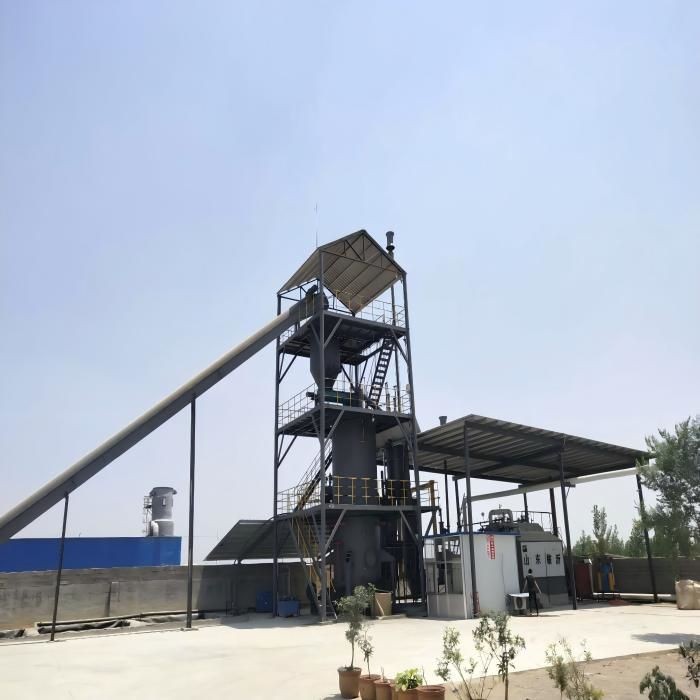
Ancillary Equipment for Biomass Gasification can also play an important role in rural sewage treatment. Biomass gasification technology can convert organic waste from sewage into useful energy. The ancillary equipment helps in the efficient operation of the gasification process, ensuring that the treatment is carried out effectively. This type of equipment can be integrated with other sewage treatment systems to improve the overall treatment efficiency.
Considerations When Using Sewage Treatment Equipment in Rural Areas
Technical Knowledge and Training
Rural residents may have limited technical knowledge. Therefore, it is essential to provide comprehensive training on the operation and maintenance of sewage treatment equipment. Our company offers training programs for rural users, including on - site training and online tutorials. These training programs cover topics such as equipment operation, daily maintenance, and troubleshooting.

Local Conditions
Local conditions, such as climate, terrain, and water quality, should be taken into account when selecting sewage treatment equipment. For example, in cold regions, the equipment needs to be designed to withstand low temperatures. In areas with high groundwater levels, special measures need to be taken to prevent the equipment from being flooded.
Community Participation
Community participation is crucial for the successful implementation of sewage treatment projects in rural areas. The local community should be involved in the decision - making process, from the selection of equipment to the management of the treatment system. This can increase the sense of ownership among rural residents and ensure the long - term sustainability of the project.
Conclusion
In conclusion, sewage treatment equipment can definitely be used in rural areas. It offers numerous benefits in terms of environmental protection, public health improvement, and agricultural development. With the right type of equipment and proper management, rural areas can achieve effective sewage treatment.
If you are interested in our sewage treatment equipment for rural areas, or if you have any questions about the products, feel free to contact us. We are committed to providing high - quality products and services to meet your needs. We can have in - depth discussions about your specific requirements and help you select the most suitable sewage treatment solution for your rural community.
References
- Smith, J. (2018). Rural Sewage Treatment: Challenges and Solutions. Journal of Environmental Science and Technology, 25(3), 123 - 135.
- Johnson, A. (2019). The Role of Biogas in Rural Sewage Treatment. Renewable Energy Journal, 30(2), 89 - 98.
- Brown, C. (2020). Community - Based Sewage Treatment in Rural Areas. International Journal of Rural Development, 15(4), 201 - 213.


