

In the realm of emission control, the ammonia slip catalyst (ASC) has emerged as a crucial component, especially in systems designed to mitigate nitrogen oxide (NOₓ) emissions. As a leading supplier of Ammonia Slip Catalyst, we understand the significance of its performance under various conditions. One such challenging scenario is the presence of heavy metals, which can have a profound impact on the catalyst's efficiency and longevity.
Understanding Ammonia Slip Catalysts
Before delving into the effects of heavy metals, it is essential to understand the role of ammonia slip catalysts. In selective catalytic reduction (SCR) systems, ammonia (NH₃) is injected into the exhaust stream to react with NOₓ over a catalyst, typically a Vanadium-based SCR Catalyst, to form nitrogen (N₂) and water (H₂O). However, not all of the injected ammonia is consumed in this reaction, leading to what is known as ammonia slip. The ASC is then used downstream of the SCR catalyst to oxidize the remaining ammonia, preventing its release into the atmosphere.
The performance of an ASC is typically evaluated based on several key metrics, including ammonia conversion efficiency, selectivity towards nitrogen formation, and durability. High ammonia conversion efficiency ensures that most of the ammonia slip is removed, while high selectivity towards nitrogen formation minimizes the production of harmful by-products such as nitrogen oxides (NOₓ) and nitrous oxide (N₂O). Durability is also crucial, as the catalyst must maintain its performance over an extended period of time in the harsh environment of the exhaust system.
Impact of Heavy Metals on Ammonia Slip Catalysts
Heavy metals such as lead (Pb), mercury (Hg), cadmium (Cd), and arsenic (As) can be present in the exhaust stream due to various sources, including fuel impurities, lubricant additives, and wear and tear of engine components. These heavy metals can have a detrimental effect on the performance of the ASC in several ways.

Poisoning of Active Sites
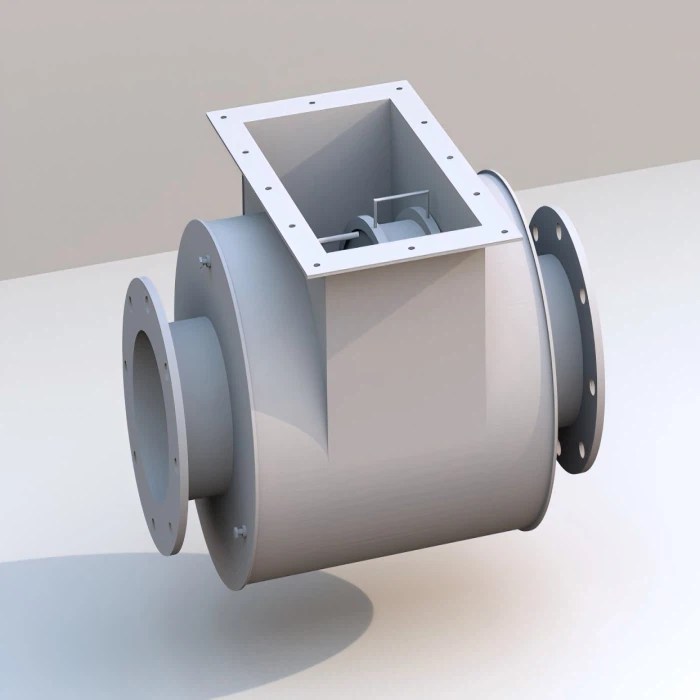
One of the primary mechanisms by which heavy metals affect the ASC is through the poisoning of its active sites. The active sites on the catalyst surface are responsible for adsorbing and activating the ammonia molecules, as well as facilitating the oxidation reaction. Heavy metals can adsorb onto these active sites, blocking them and preventing the ammonia molecules from interacting with the catalyst. This leads to a decrease in ammonia conversion efficiency and an increase in ammonia slip.
For example, lead can form stable compounds with the catalyst surface, such as lead oxides and lead sulfates, which can cover the active sites and reduce their accessibility. Mercury can also adsorb onto the catalyst surface and react with the active components, altering their chemical structure and reducing their activity. Cadmium and arsenic can have similar effects, although the exact mechanisms may vary depending on the specific metal and the catalyst composition.
Structural Damage
In addition to poisoning the active sites, heavy metals can also cause structural damage to the ASC. The high temperatures and corrosive environment in the exhaust system can exacerbate the effects of heavy metal exposure, leading to the degradation of the catalyst structure. This can result in a decrease in surface area, pore volume, and mechanical strength, all of which can negatively impact the catalyst's performance.
For instance, heavy metals can react with the support material of the catalyst, such as alumina (Al₂O₃) or titania (TiO₂), causing it to sinter or form new compounds. This can lead to a decrease in the surface area available for ammonia adsorption and oxidation, as well as a change in the pore structure, which can affect the diffusion of reactants and products within the catalyst. The mechanical strength of the catalyst can also be reduced, making it more susceptible to cracking and fragmentation, which can further impair its performance.
Impact on Selectivity
Heavy metals can also affect the selectivity of the ASC towards nitrogen formation. In addition to oxidizing ammonia to nitrogen, the catalyst can also produce unwanted by-products such as NOₓ and N₂O. Heavy metals can alter the reaction pathways and kinetics, leading to an increase in the production of these by-products.
For example, lead can promote the formation of NOₓ by enhancing the oxidation of ammonia to nitrogen oxides. Mercury can also have a similar effect, although the exact mechanism is not fully understood. The presence of heavy metals can also affect the selectivity towards N₂O formation, which is a potent greenhouse gas. An increase in N₂O production can have significant environmental implications, as it contributes to global warming and ozone depletion.
Strategies to Mitigate the Impact of Heavy Metals
To overcome the challenges posed by heavy metals, several strategies can be employed to improve the performance and durability of the ASC.
Catalyst Design and Optimization
One approach is to design and optimize the ASC to be more resistant to heavy metal poisoning. This can involve the selection of appropriate catalyst materials and formulations, as well as the modification of the catalyst structure and surface properties.
For example, the use of noble metals such as platinum (Pt) and palladium (Pd) in the ASC can enhance its resistance to heavy metal poisoning. These noble metals have high catalytic activity and are less susceptible to poisoning by heavy metals compared to other metals. The addition of promoters or dopants to the catalyst can also improve its performance and stability in the presence of heavy metals. For instance, the addition of cerium (Ce) to the catalyst can enhance its oxygen storage capacity and redox properties, which can help to mitigate the effects of heavy metal poisoning.
Exhaust Gas Pretreatment
Another strategy is to pretreat the exhaust gas to remove or reduce the concentration of heavy metals before it reaches the ASC. This can involve the use of filters or sorbents to capture the heavy metals, as well as the implementation of fuel and lubricant quality control measures to minimize their introduction into the exhaust system.
For example, particulate filters can be used to remove particulate matter, including heavy metal-containing particles, from the exhaust gas. Sorbents such as activated carbon or zeolites can also be used to adsorb heavy metals from the gas phase. Fuel and lubricant additives can be formulated to reduce the content of heavy metals, as well as to improve the combustion efficiency and reduce the formation of harmful by-products.
Monitoring and Maintenance
Regular monitoring and maintenance of the ASC are also essential to ensure its optimal performance in the presence of heavy metals. This can involve the use of diagnostic tools and sensors to detect the presence and concentration of heavy metals in the exhaust gas, as well as to monitor the performance of the catalyst.
For example, in-situ sensors can be used to measure the ammonia conversion efficiency and selectivity of the ASC, as well as the concentration of heavy metals in the exhaust gas. This information can be used to adjust the operating conditions of the exhaust system, such as the injection rate of ammonia or the temperature of the catalyst, to optimize its performance. Regular maintenance, including catalyst regeneration or replacement, can also be carried out based on the monitoring results to ensure the long-term durability of the ASC.
Conclusion
The performance of the ammonia slip catalyst in the presence of heavy metals is a complex issue that requires careful consideration and mitigation strategies. As a leading supplier of Ammonia Slip Catalyst, we are committed to developing and providing high-performance catalysts that are resistant to heavy metal poisoning and can meet the stringent emission control requirements.
By understanding the impact of heavy metals on the ASC and implementing appropriate strategies to mitigate their effects, we can ensure the efficient and reliable operation of emission control systems. Our team of experts is available to provide technical support and guidance on catalyst selection, design, and optimization, as well as on exhaust gas pretreatment and monitoring. If you are interested in learning more about our ammonia slip catalysts or discussing your specific emission control needs, please do not hesitate to contact us for further information and to initiate a procurement discussion.
References
- Li, X., & Flytzani-Stephanopoulos, M. (2017). Ammonia oxidation over noble metal catalysts for emission control. Catalysis Today, 286, 11-20.
- Wang, Y., & Yang, R. T. (2016). Poisoning and regeneration of SCR catalysts. Catalysis Reviews, 58(3), 323-368.
- Zhang, Q., & He, H. (2018). Influence of heavy metals on the performance of ammonia oxidation catalysts. Chinese Journal of Catalysis, 39(6), 942-950.
- Liu, Y., & Chen, Y. (2019). Strategies for improving the durability of ammonia slip catalysts in the presence of heavy metals. Chemical Engineering Journal, 375, 1219-1227.


