

Hey there! As a supplier of sewage treatment equipment, I often get asked about the role of aeration devices in the whole sewage treatment process. Well, let me tell you, aeration devices are like the unsung heroes in sewage treatment equipment. They play a crucial role in making sure that the treatment process works effectively and efficiently.
First off, let's talk about what sewage treatment is all about. Sewage treatment is the process of removing contaminants from wastewater, mainly from domestic and industrial sources. The goal is to produce an effluent that is safe to be discharged back into the environment or reused for other purposes. And aeration devices are an integral part of this process.
One of the primary functions of aeration devices is to supply oxygen to the sewage. You see, in the sewage treatment process, there are a whole bunch of microorganisms that break down the organic matter in the sewage. These microorganisms are aerobic, which means they need oxygen to survive and carry out their metabolic activities. Without enough oxygen, these microorganisms won't be able to do their job properly, and the decomposition of organic matter will be severely affected.
Aeration devices help to create an oxygen-rich environment in the treatment tanks. They do this by introducing air into the sewage. There are different types of aeration devices, such as diffused aerators, mechanical aerators, and jet aerators. Diffused aerators, for example, release tiny bubbles of air into the sewage. These bubbles rise to the surface, and as they do, they transfer oxygen from the air to the water. Mechanical aerators, on the other hand, use rotating impellers or paddles to agitate the water and mix it with air. Jet aerators use high - velocity jets of water to entrain air and introduce it into the sewage.
Another important role of aeration devices is to promote mixing and circulation in the treatment tanks. When the sewage is sitting still, it can lead to the formation of dead zones where there is little or no oxygen. This can cause the growth of anaerobic microorganisms, which produce unpleasant odors and can even release harmful substances. Aeration devices help to keep the sewage moving, ensuring that oxygen is evenly distributed throughout the tank. This not only helps the aerobic microorganisms to thrive but also prevents the formation of dead zones.
In addition to oxygen supply and mixing, aeration devices also play a role in stripping out unwanted gases from the sewage. Some of the gases present in sewage, such as hydrogen sulfide, can be very corrosive and have a strong, foul odor. Aeration helps to remove these gases by increasing the surface area of the water in contact with the air. The gases are then released into the atmosphere, reducing their concentration in the sewage.
Now, let's talk about how aeration devices fit into the overall sewage treatment equipment system. In a typical sewage treatment plant, there are usually multiple treatment stages, including primary treatment, secondary treatment, and sometimes tertiary treatment. Aeration devices are mainly used in the secondary treatment stage, which is where the majority of the organic matter is broken down.

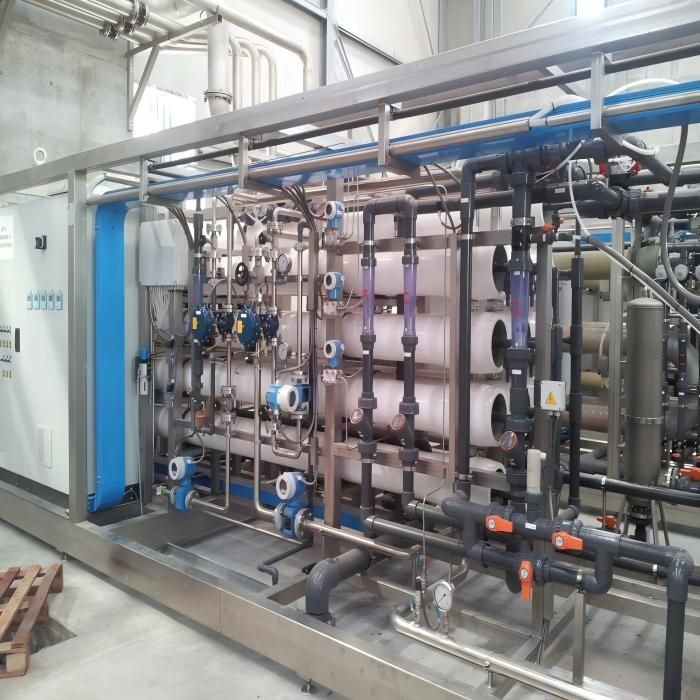
In the secondary treatment, the sewage is usually held in an aeration tank. The aeration devices in this tank work continuously to supply oxygen and keep the sewage mixed. After the secondary treatment, the sewage then moves on to the next stage, where further treatment processes are carried out to remove any remaining contaminants.
If you're interested in more advanced sewage treatment methods, you might want to check out Biogas Sewage Treatment. This method not only treats the sewage but also generates biogas, which can be used as a renewable energy source. And if you're looking for equipment to support biomass gasification in the sewage treatment process, Ancillary Equipment for Biomass Gasification might be just what you need.
When it comes to choosing the right aeration device for your sewage treatment equipment, there are several factors to consider. The size of the treatment tank, the flow rate of the sewage, the type of contaminants in the sewage, and the required level of treatment are all important considerations. For example, if you have a large treatment tank with a high flow rate of sewage, you might need a more powerful aeration device.
It's also important to consider the energy efficiency of the aeration device. Aeration can be one of the most energy - intensive processes in sewage treatment. So, choosing an energy - efficient aeration device can help you save on operating costs in the long run.
As a sewage treatment equipment supplier, I've seen firsthand the impact that the right aeration device can have on the overall performance of a sewage treatment system. A well - designed and properly functioning aeration device can improve the treatment efficiency, reduce operating costs, and minimize environmental impact.
If you're in the market for sewage treatment equipment and are looking for reliable aeration devices, I'd love to have a chat with you. Whether you're a small - scale wastewater treatment facility or a large industrial plant, I can help you find the right solutions for your specific needs. We can discuss your requirements, the different types of aeration devices available, and how they can fit into your existing or planned sewage treatment system.
So, don't hesitate to reach out if you have any questions or are interested in starting a procurement discussion. I'm here to help you make the best decisions for your sewage treatment needs.
References
- Metcalf & Eddy. (2014). Wastewater Engineering: Treatment and Reuse. McGraw - Hill Education.
- Tchobanoglous, G., Burton, F. L., & Stensel, H. D. (2003). Wastewater Engineering: Treatment, Disposal, and Reuse. Pearson Education.


