According to data released by Eurostat, renewable energy will account for 47.5% of the EU's total electricity consumption in 2024, compared to 28.6% in 2014 and 15.9% in 2004, demonstrating the EU's accelerated transition to clean energy over the past decade. Despite this overall upward trend, performance varies among EU member states.
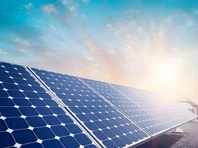
Within the categories of renewable energy generation in the EU, wind and hydropower dominate, accounting for 38.0% and 26.4% of total electricity generation respectively, totaling nearly two-thirds. Solar power accounts for 23.4% of total renewable electricity production, solid biofuels for 5.8%, and other renewable energy sources for 6.4%. Solar power has become the fastest-growing renewable energy source; in 2008, it accounted for only 1% of the EU's renewable electricity, generating 7.4 terawatt-hours (TWh), but by 2024, solar power generation is projected to surge to 304 TWh.
Among EU member states, Austria ranks first in terms of the proportion of renewable energy generation, with 90.1% of its electricity consumption coming from renewable sources, primarily hydropower. Sweden follows closely with 88.1% of its electricity generated from renewable sources, mainly from hydropower and wind power. Denmark has 79.7%, primarily from wind power. EU member states with renewable energy share below 25% include Slovakia (24.9%), Cyprus (24.1%), Hungary (24.1%), Luxembourg (20.5%), Czech Republic (17.9%), and Malta (10.7%).